


Motorized vs. Manual Blinds: Making the Smart Choice
Deciding between motorized and manual blinds involves weighing convenience against cost, and understanding how each operates can significantly impact your home’s functionality and aesthetic. Many homeowners begin their window treatment journey by exploring the vast array of options, aiming to find solutions that offer both style and practicality. This article serves as a comprehensive guide to help you navigate the nuances of motorized blinds versus manual blinds, ensuring you make an informed choice for your home. We’ll delve into their core differences, ease of use, cost implications, and ultimate suitability for various needs, drawing on our expertise in window treatment options to guide your decision. Ultimately, understanding these distinctions is key to selecting the perfect window coverings that enhance comfort and style.
Choosing the right window coverings is an important step in home improvement, impacting everything from light control to energy efficiency. Whether you’re looking for energy-efficient blinds or simply want to update your home’s look, the choice between motorized and manual operation is a significant one. This comparison will illuminate the advantages of each, helping you determine which system best aligns with your lifestyle and home environment.
Motorized vs. Manual Blinds: Key Differences
The fundamental distinction between motorized and manual blinds lies in their operation mechanism. Manual blinds require direct physical effort to open, close, or adjust, typically involving cords, wands, or continuous loop systems. In contrast, motorized blinds operate electronically, powered by a motor that can be controlled remotely via a wall switch, handheld remote, smartphone app, or even voice commands. This core difference influences not only convenience but also safety, accessibility, and the overall sophistication of your window treatments. We offer expert local installation to ensure your chosen system functions flawlessly.
| Feature | Manual Blinds | Motorized Blinds |
|---|---|---|
| Operation | Physical manipulation (cords, wands) | Electronic control (remote, app, voice) |
| Convenience | Requires manual effort | Effortless operation, automated scheduling |
| Safety | Potential cord entanglement hazard (if applicable) | Cord-free options enhance child and pet safety, as detailed in our guide to child safe blinds for more. |
| Accessibility | Can be challenging for individuals with mobility issues | Ideal for those with limited mobility or hard-to-reach windows |
| Smart Home Ready | No | Yes, integrates with smart home systems |
| Initial Cost | Generally lower | Generally higher |
| Long-term Value | Durability depends on material and usage | Added convenience, potential energy savings, modern appeal |
For those seeking advanced functionality and integration with modern living, exploring the benefits of motorized blinds is a worthwhile endeavor, offering smart solutions for enhanced comfort and control.
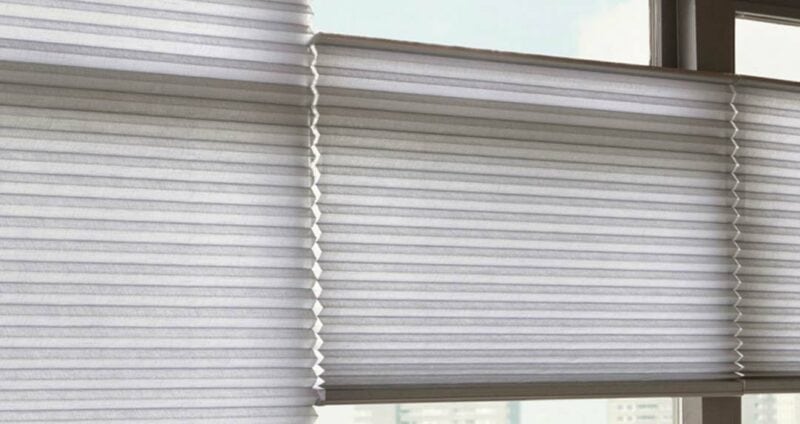
Understanding these differences is crucial when considering options like roller shades vs. blinds or exploring various types of window coverings, including the versatile top down bottom up blinds for flexible light and privacy control.
Ease of Use and Convenience
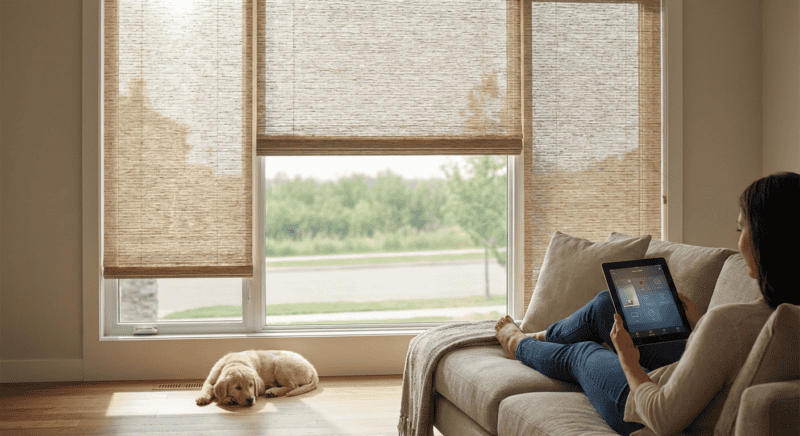
Motorized blinds offer unparalleled ease of use, transforming the way you interact with your home’s environment. With the simple press of a button or a spoken command, you can effortlessly adjust light levels, enhance privacy, and even contribute to energy efficiency without ever leaving your seat. This level of convenience is a significant upgrade from the manual operation of traditional blinds, which requires direct physical interaction. For individuals seeking enhanced accessibility or simply aiming to streamline their daily routines, motorized options provide a modern solution, and our guide to motorized blinds explains their benefits.
- Remote control operation
- Voice command compatibility
- Smart home integration
- Automated scheduling and scene setting
- Ideal for hard-to-reach windows
Effortless Control at Your Fingertips
The convenience of motorized blinds truly shines in their ability to be controlled remotely. Whether you use a dedicated remote, a smartphone app, or integrate them into a smart home system, adjusting your window coverings has never been easier. This is particularly beneficial for large windows, high ceilings, or windows in areas that are difficult to access. Imagine adjusting all your blinds simultaneously with a single command, creating the perfect ambiance for any occasion. This level of control transforms a mundane task into a seamless experience, making motorized window coverings a sought-after feature for modern homes seeking smart living solutions.
Enhanced Accessibility for All
For individuals with mobility challenges or those who simply find manual adjustments difficult, motorized blinds offer a significant advantage. They eliminate the need for physical exertion, making it possible for anyone to control their window treatments independently. This feature promotes greater autonomy and comfort within the home. Furthermore, the ability to schedule blind adjustments means your home can be prepped for your arrival or departure, enhancing both convenience and security. This makes them an excellent consideration for child-safe blind options as well, as they often eliminate dangling cords.
Automated Ambiance and Energy Savings
Motorized blinds can be programmed to open and close at specific times, optimizing natural light throughout the day and enhancing energy efficiency. For instance, blinds can automatically close during the hottest parts of the day to reduce solar heat gain, thereby lowering cooling costs. Conversely, they can open to allow sunlight in during colder months, contributing to natural heating. This smart automation not only adds convenience but also contributes to a more sustainable and comfortable living environment, aligning with the principles of energy-efficient blinds, such as the Alta Roller Shades we reviewed, which offer advanced automation features.
Cost Comparison: Initial Investment and Long-Term Value
When comparing motorized blinds versus manual blinds, the initial cost is often a primary consideration. Manual blinds typically have a lower upfront price point, making them a more accessible option for budget-conscious homeowners. However, it is essential to look beyond the initial investment and consider the long-term value that motorized blinds can offer. Features like enhanced energy efficiency through automated control, increased home security, and improved accessibility can translate into significant savings and lifestyle benefits over time.
- Initial Purchase Price: Manual blinds are generally more affordable upfront.
- Motorization Hardware: The motors, batteries, and control systems for motorized blinds add to their initial cost.
- Smart Home Integration: If integrating with existing smart home ecosystems, there may be additional setup costs or compatibility considerations.
- Energy Savings: Motorized blinds can contribute to lower energy bills through automated temperature regulation, offsetting their higher initial cost over time.
- Durability and Lifespan: Both types can be durable, but the lifespan of motorized components should be considered. High-quality motorized systems are designed for longevity.
- Installation Costs: While both may require professional installation, complex motorized systems might incur slightly higher installation fees.
Considering window treatment price match options can help manage costs for either type, but the long-term value proposition of motorized systems is often compelling.
Features and Functionality: Beyond Basic Operation
Motorized blinds offer a suite of advanced features that elevate them beyond the basic functionality of their manual counterparts. Their true power lies in their ability to integrate seamlessly with modern smart home technology, allowing for sophisticated automation and control. This connectivity enables users to manage their window coverings remotely, schedule precise operations, and even link them to other smart devices for a truly connected living experience. Should your motorized blinds ever require attention, our comprehensive Edmonton blind repair guide can help you troubleshoot common issues.
- Smart home integration (e.g., Google Home, Amazon Alexa)
- Customizable scheduling for daily routines
- Scene creation for specific moods or activities
- Integration with smart thermostats for energy management
- Remote control via dedicated apps
Smart Home Integration for Seamless Living
The ability to integrate motorized blinds into a broader smart home ecosystem is a significant advantage. This means your blinds can work in harmony with other connected devices, such as lighting, security systems, and thermostats. Imagine your blinds automatically adjusting as you arrive home, or dimming to complement your smart lighting for movie night. This level of automation streamlines daily tasks and enhances the overall comfort and convenience of your living space, offering a glimpse into modern coverings for more.
Advanced Scheduling and Automation
Beyond simple remote control, motorized blinds offer advanced scheduling capabilities. You can set specific times for your blinds to open or close, aligning with your daily routines or optimizing natural light and temperature throughout the day. This feature is particularly useful for enhancing energy efficiency, as blinds can be programmed to close during the hottest parts of the day to reduce heat gain, or open to allow passive solar heating in cooler months, contributing to energy savings.
Beyond simple remote control, motorized blinds excel in their programmable scheduling capabilities. You can set specific times for your blinds to open or close, optimizing natural light and temperature throughout the day. This is incredibly useful for managing sunlight in a solarium, or for ensuring privacy at night. Furthermore, many systems allow for the creation of custom “scenes,” where multiple blinds can be adjusted simultaneously to a predetermined position, perfect for waking up gently or preparing a room for guests.
Enhanced Privacy and Security Features
Motorized blinds can significantly bolster home privacy and security. You can schedule them to open and close while you are away, creating the illusion that someone is home and deterring potential intruders. In situations where you need instant privacy, such as when unexpected guests arrive, a quick tap on a remote or app can secure your windows. For homes with children, child-proof blinds that operate without hazardous cords are a major safety benefit, offering peace of mind. To learn more about the benefits, check out our comprehensive motorized blinds guide for more.
Maintenance and Durability
When considering motorized blinds versus manual blinds, maintenance and durability are key factors for long-term satisfaction. Manual blinds, particularly those made from sturdy materials like faux wood, are known for their resilience and straightforward cleaning processes. However, motorized blinds have also evolved significantly, with manufacturers focusing on robust motor systems and durable components designed to withstand regular use. The upkeep for motorized blinds primarily involves ensuring the power source is maintained and occasionally checking the motor’s performance, while manual blinds may require occasional cord or slat adjustments. For those interested in the advanced features of motorized options, exploring a comprehensive guide to motorized blinds in Edmonton can provide further insights into their benefits and operation.
| Maintenance Aspect | Manual Blinds | Motorized Blinds |
|---|---|---|
| Cleaning | Regular dusting, occasional spot cleaning | Regular dusting, care for electronic components |
| Operation Checks | Inspect cords, wands, and mechanisms for wear | Check battery levels or power supply, motor function |
| Potential Issues | Cord fraying, slat damage, mechanism jams | Motor failure, remote connectivity issues, battery replacement |
| Lifespan | Varies by material and quality | Generally long, dependent on motor quality and care |
| Ease of Repair | Often simpler, DIY possible for minor issues | May require professional service for motor issues |
Both types of blinds, when properly maintained, can offer years of reliable service, but understanding their specific needs is crucial for longevity. For example, learning about the easiest Hunter Douglas blinds to clean can inform your choice regardless of motorization.
Best Use Cases for Each Type
The optimal choice between motorized and manual blinds often depends on specific lifestyle needs and home characteristics. Manual blinds remain an excellent choice for areas where simplicity and cost-effectiveness are paramount. They are perfectly suited for rooms where windows are easily accessible and frequent adjustments are not a primary concern, such as in a home office or a guest bedroom. Their straightforward operation makes them reliable and user-friendly for everyday use. For those seeking enhanced convenience and modern functionality, exploring the benefits of motorized blinds can transform how you interact with your window coverings.
For households prioritizing convenience, advanced technology, and enhanced accessibility, motorized blinds offer a superior solution. They are particularly well-suited for large or hard-to-reach windows, such as those found in living rooms with expansive views or on upper floors. The ability to control them remotely or via automation makes them ideal for busy families, individuals with mobility limitations, or anyone seeking to embrace a smart living environment. Consider them for areas where you frequently adjust lighting for comfort or privacy, such as kitchens needing precise light control for various tasks, or bedrooms requiring complete darkness for sleep. Discover more about these innovative options at our page on modern window treatments for more.
Making Your Decision: Which Type is Right for You?
Ultimately, the decision between motorized and manual blinds hinges on a careful evaluation of your priorities. If your primary concerns are budget and simplicity, manual blinds offer a reliable and cost-effective solution for controlling light and privacy. They have been a staple in homes for decades for good reason, providing dependable functionality without complex technology. Exploring options like faux wood vs. wood blinds can help you find manual options that fit your style and durability needs.
However, if convenience, advanced functionality, and modern living are at the top of your list, motorized blinds present a compelling upgrade. Their ability to integrate with smart home systems, offer automated scheduling, and provide enhanced accessibility makes them a sophisticated choice for many homeowners. Think about the daily routines in your home and how automated window treatments could simplify them, perhaps even contributing to energy savings through precise light and temperature management, as discussed in our guide on energy efficient blinds. For those seeking the latest in home technology and effortless control, the investment in motorized blinds can provide significant long-term benefits and enhance overall comfort.
Conclusion: Elevate Your Home with the Right Blinds
Choosing between motorized and manual blinds is a decision that impacts daily convenience, home aesthetics, and energy efficiency. While manual blinds offer simplicity and affordability, motorized blinds provide a sophisticated, automated experience that can significantly enhance your lifestyle. From effortless remote control and smart home integration to improved accessibility and potential energy savings, motorized options represent a modern approach to window treatments. We encourage you to explore the possibilities and consider how upgrading your window coverings can elevate your home’s comfort and functionality.
For personalized advice and to explore the wide range of options available, we invite you to contact us for expert advice. Our team is dedicated to helping you find the perfect window treatments that meet your unique needs and preferences, ensuring a seamless integration into your home’s design and your daily life. Discover the difference that the right blinds can make and take the first step towards a more comfortable and stylish living space. Learn more about our motorized blinds in Edmonton. Remember, keeping your blinds clean is also important, and you can learn how to safely clean fabric blinds at home.
Frequently Asked Questions About Motorized Blinds Vs Manual
What happens if the power goes out for motorized blinds?If your motorized blinds are battery-powered, they will not operate during a power outage. However, some systems offer a manual override feature, allowing you to adjust them by hand in emergencies. Plug-in or hardwired systems will regain functionality once power is restored, and you can learn more about smart living with motorized blinds, similar to how you might compare real wood vs. faux wood blinds.