



Child Window Safety: Why It’s Crucial
Ensuring child safety at the window is not merely a recommendation but a crucial aspect of responsible home management. Each year, numerous preventable accidents occur due to unsecured windows and hazardous window treatments, underscoring the vital need for proactive safety measures.
Children are naturally curious and often unaware of potential dangers, making windows a significant risk area in any home. Factors like easily accessible windows, the absence of safety guards, or dangerous cords on certain types of blinds can quickly turn an innocent moment into a serious incident.
Implementing proper safety protocols, including selecting appropriate custom window treatments, is essential to protect young ones from falls and strangulation risks. When considering new window coverings, understanding the differences between options like cellular shades and faux wood can help you make a safer choice for your home.
Understanding Window Hazards for Children
Ensuring child safety at the window begins with recognizing the specific dangers that windows can present. While windows offer light and ventilation, they also pose significant risks, especially for curious and active children. Awareness of these hazards is the first step toward creating a safer home environment, and understanding child safety first is paramount.
The primary concerns related to windows and young children typically fall into two categories: falls and strangulation. Each requires careful consideration and appropriate preventative measures to protect your little ones.
Risks of Falls from Windows
Falls from windows are among the most serious dangers for children. Young children are naturally drawn to windows but often lack the judgment to understand the associated risks. A window screen, for instance, is designed to keep insects out, not to prevent a child from falling through. Screens can easily give way under a child’s weight, leading to severe injuries or worse.
Even a window opened slightly can be a hazard. Children can quickly climb onto furniture placed near windows, giving them access to openings that might otherwise seem out of reach. Implementing robust child safety window treatments can significantly reduce this risk, such as understanding what are bottom-up blinds and how they can offer protection.
Strangulation Hazards from Window Cords
Window covering cords present another critical risk, particularly for infants and young children. These cords can easily become entangled around a child’s neck, leading to strangulation. This silent hazard can occur quickly and often without warning, making it imperative to address.
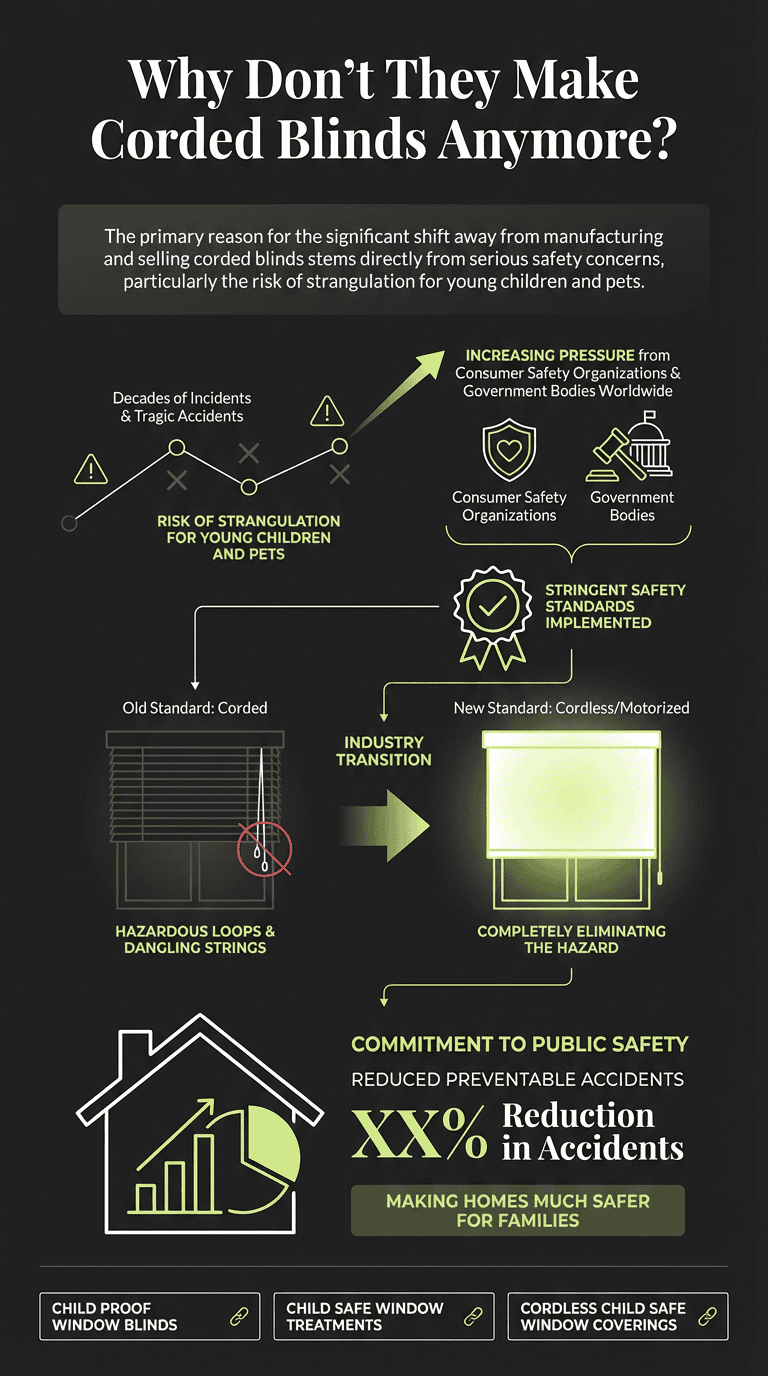
The Consumer Product Safety Commission (CPSC) consistently warns about the dangers of corded window coverings. Fortunately, there are many safe alternatives available. Exploring options like cordless blinds or motorized blinds can eliminate this specific risk entirely, greatly enhancing child safety at the window. For professional installation of any window treatment, consider consulting a blinds curtains installer for more.
Other Potential Window-Related Dangers
Beyond falls and strangulation, other aspects of windows can pose risks. These include:
- Broken Glass: If a window breaks, shattered glass can cause serious cuts and injuries.
- Lead Paint: In older homes, window sills and frames might contain lead paint, which can be harmful if ingested by children.
- Pinching Hazards: Moving parts of windows, such as sashes, can pinch small fingers if not operated carefully.
Addressing these various hazards collectively helps create a comprehensive strategy for child safety at the window. Modern solutions and careful planning are key to mitigating these risks effectively. For example, understanding the differences between various types of window treatments can help you make informed decisions about safety and style, such as comparing cellular and faux wood blinds for more.
Preventing Falls: Safeguarding Window Areas
Ensuring child safety at the window means taking proactive steps to prevent falls. Windows are a common entry point for natural light and fresh air, but they also pose a significant risk to young children. Implementing simple yet effective strategies can dramatically reduce the likelihood of accidents.
One crucial measure is to install child safety window guards or stops that prevent windows from opening more than four inches. This small opening is typically too narrow for a child to fall through, while still allowing for ventilation. Remember, window screens are designed to keep insects out, not to hold a child in, so they should never be relied upon for fall prevention. For other window treatments, consider these best roller blind brands reviewed for more.
Strategic Furniture Placement
The placement of furniture plays a vital role in enhancing child safety at the window. Move cribs, beds, chairs, and other climbable furniture away from windows. Children are naturally curious and adept climbers, and even a small piece of furniture can provide the boost needed to reach an open window. By keeping these items away, you eliminate potential climbing aids, and ensure that any window coverings, like blinds, are also safely installed, which you can learn more about by exploring our selection of blinds replacement parts for more.
Window Locks and Restrictors
Window locks and restrictors are essential for preventing windows from opening too wide, which is a key aspect of child safety at home.
Various devices are available to secure windows and prevent them from opening too wide or being opened by children. Window locks are essential for maintaining window security features, even when closed. Restrictors, on the other hand, allow a window to open slightly while still preventing a full opening. For those interested in enhancing window aesthetics alongside security, exploring options like Hunter Douglas shades can offer both style and function.
- Window wedges: Simple devices that block a window from opening past a certain point.
- Cable restrictors: These allow a window to open a few inches but prevent it from opening further, as the cable keeps the two parts of the window connected.
- Keyed locks: For windows that are not frequently opened, keyed locks offer a secure solution, requiring a key for operation.
Regularly check these devices to ensure they are properly installed and functioning correctly, contributing to overall child safety at the window.
Choosing Appropriate Window Treatments
When selecting custom window treatments for homes with children, prioritize safety and functionality. Heavy or easily climbable draperies can be enticing to young explorers. Instead, opt for options that are flush with the window frame and do not provide handholds or footholds. For more information on child safety, consult our child safety guide for window treatments for more.
Consider sturdy window treatments that are securely mounted and can withstand curious hands. Cordless blinds and shades are an excellent choice as they eliminate the risk of strangulation from looped cords, further enhancing child safety at the window. If you need to remove existing blinds, learn how to safely remove Bali blinds from their brackets.
Window Cord Hazards and Child Safety Solutions
Window blind cords present significant strangulation risks for young children. Addressing these dangers is paramount for ensuring child safety at the window. Fortunately, various solutions exist, including cordless options, cord cleats, and sophisticated motorized systems, all designed to mitigate these hazards effectively.
Implementing these safety measures helps protect curious children from potential accidents, allowing for a safer home environment. Our guide to different types of blinds can help you identify suitable options for your home, such as the privacy light top down bottom up blinds, which offer excellent control over light and privacy.
The Dangers of Exposed Cords
Exposed cords on window blinds or shades can quickly become a serious hazard for infants and young children. A child can easily become entangled in a looped cord, leading to tragic accidents. Even a short cord can pose a risk if it forms a loop that a child can get caught in. This critical issue underscores the importance of focusing on child safety at the window, and you can learn more about specific products like the Alta Roller Shades Review to see how they address these concerns.
Understanding these risks is the first step toward creating a safer environment. Always be vigilant about cord placement and consider alternatives that eliminate this danger entirely.
Cordless Window Treatment Options
One of the most effective ways to eliminate cord hazards is to opt for cordless window treatments. These designs operate without visible cords, making them inherently safer for homes with children. Many styles, including blinds, shades, and shutters, are available in cordless versions.
Exploring cordless blinds options can significantly enhance child safety at the window. These solutions provide peace of mind without compromising on style or functionality. For even greater convenience, consider exploring your motorized blinds guide for automated solutions.
Motorized Systems for Enhanced Safety
For ultimate convenience and safety, consider motorized window treatments. These systems allow you to control your blinds and shades remotely, eliminating the need for cords altogether. This is an excellent option for high windows or for those who want to integrate their window coverings with smart home technology. Learn more about motorized blinds and their benefits for a safer, more modern home.
Motorized window treatments offer an advanced solution for child safety at the window by eliminating cords altogether. Operated via remote control, wall switch, or even a smartphone app, these systems remove any accessible cords that could pose a risk to children. This technology not only enhances safety but also offers convenience and can be integrated into smart home setups.
Discover the advantages of motorized blinds and how they contribute to a safer, more modern home. For comprehensive control, consider smart home automation for your window treatments for more.
Cord Cleats and Safety Devices
For existing window treatments with cords that cannot be replaced immediately, cord cleats and other safety devices offer a temporary solution. Cord cleats allow you to securely wrap and store excess cords out of reach of children, preventing them from forming hazardous loops. Tassels and breakaway devices are also designed to reduce the risk of entanglement. Explore these modern window treatments for safer alternatives.
While these devices improve child safety at the window, they require consistent use and regular checks to ensure they remain effective. Always ensure all cords are secured when not in use.
Regular Safety Checks and Maintenance
Regularly inspect all window treatments for any signs of wear or damage, especially on cords and mechanisms. Ensure that any safety devices, such as cord cleats or tensioners, are properly installed and functioning. For households with young children, it’s crucial to stay informed about the latest child safety guidelines for window treatments to maintain a secure environment.
Maintaining child safety at the window is an ongoing process that requires regular attention. Periodically inspect all window treatments, especially those with cords, for any signs of wear or damage. Ensure that cord cleats are properly installed and used, and that any safety devices are functioning as intended. For more information on keeping your blinds clean and safe, you can review our guide on cleaning fabric blinds safely for more.
Educate older children about the dangers of window cords and teach them to keep younger siblings away from them. Regular maintenance and awareness are key to preventing accidents and protecting your family.
Choosing Safe Window Treatments for Homes with Children
Prioritizing child safety at the window involves selecting the right window treatments. This goes beyond aesthetics, focusing instead on features that prevent accidents and provide peace of mind for parents. Thoughtful choices in materials, operation, and design are essential for creating a secure home environment. For more on this, explore our child safety first resources.
When considering options for your home, remember that not all window coverings are created equal in terms of safety. Evaluating each product’s potential risks and benefits is a critical step in protecting young family members; for guidance on this, consult our window treatments for a secure home.
- Cordless Systems: These are paramount for eliminating strangulation hazards. Cordless blinds, shades, and shutters offer a clean look and are operated by simply pushing or pulling the bottom rail.
- Motorized Options: Remote-controlled or smart home integrated motorized window treatments provide convenience and complete cord elimination. They are an excellent solution for enhancing child safety at the window, particularly for windows that are difficult to reach.
- Window Guards and Stops: These devices can be installed in addition to window treatments to limit how far a window can open, preventing falls. They are especially useful for windows on upper floors or those that need to be opened for ventilation.
- Durable Materials: Opt for sturdy materials that can withstand playful interactions. Treatments made from robust fabrics or woods are less likely to break, reducing potential hazards.
- Bottom-Up/Top-Down Shades: These shades allow you to lower the top section while keeping the bottom section closed, providing privacy and light control without exposing children to open window gaps. Many types of shades, such as cellular or Roman, offer this feature.
Beyond the functional aspects, consider the overall design and how it integrates with your home. For example, roller shades can offer a sleek, minimalistic look that minimizes potential snag points for children. When choosing between options like roller shades vs. Roman shades, consider the specific features related to child safety, such as cordless or motorized operation, as this often outweighs purely aesthetic considerations in children’s rooms or play areas.
Additionally, thoughtful interior design tips for bedrooms often emphasize safety alongside style. This means placing furniture away from windows to deter climbing and ensuring any window treatments chosen actively contribute to a safe space for children. Always ensure that any chosen window treatment explicitly states it is child-safe or certified by relevant safety organizations.
Benefits of Professional Window Safety Assessments
Ensuring comprehensive child safety at the window often requires more than just installing child-safe products. Professional window safety assessments offer an invaluable service, providing expert eyes to identify potential hazards that might otherwise go unnoticed. Our team possesses the experience to meticulously evaluate your home’s windows and suggest tailored solutions.
These assessments go beyond basic checks, delving into the nuances of window structure, placement, and surrounding elements. This comprehensive approach is crucial for establishing true child safety at the window, helping parents feel secure in their living environment. For instance, an expert might identify a climbing hazard near a window that a casual observer would miss.
Opting for a professional assessment provides several key advantages:
- Expert identification of potential hazards that could be missed by a homeowner.
- Tailored recommendations for window treatments and safety devices.
- Peace of mind knowing your home is as safe as possible for children.
- A thorough review of window types and their specific safety considerations, such as those discussed in our guide to window treatments for a secure home.
- Expert Hazard Identification: Professionals are trained to spot subtle risks, such as weak window locks, improper screen installations, or furniture placement that inadvertently creates access points for children. This specialized knowledge is vital for complete child safety at the window.
- Customized Solutions: Every home is unique, and so are its safety needs. An assessment leads to recommendations specifically designed for your windows, whether that involves custom window treatments or specialized safety devices.
- Compliance and Standards: Experts are knowledgeable about current safety standards and regulations, ensuring that any recommended solutions meet or exceed these requirements. This provides an additional layer of assurance for child safety at the window.
- Proper Installation Guidance: A professional assessment often includes advice on correct installation practices, which is paramount for the effectiveness of any safety measure. Our installation guarantees reflect our commitment to secure fittings.
- Peace of Mind: Knowing that your windows have been thoroughly evaluated by a professional offers significant peace of mind. It confirms that you’ve taken proactive steps to protect your children from potential window-related accidents.
During an assessment, professionals consider factors such as window height, type, and the age of children in the household. They can also advise on integrating child-safe solutions with other home improvements, like comparing real wood vs faux wood blinds for energy efficiency. Ultimately, this service ensures that all aspects of child safety at the window are addressed comprehensively and effectively.
Key Features of Child-Safe Window Treatments
Ensuring child safety at the window involves selecting window treatments with specific design features. These features are engineered to minimize common hazards like strangulation from cords and accidental falls. By understanding these key characteristics, parents can make informed decisions to protect their children.
Prioritizing safety doesn’t mean sacrificing style or functionality. Many modern window treatments now incorporate advanced safety mechanisms without compromising aesthetics. Focusing on these features is a crucial step toward creating a safer home environment for your little ones.
Here are the essential features that make window treatments safe for children:
Cordless Operation: The absence of cords completely eliminates the risk of strangulation, which is a leading cause of window-related injuries in young children. Cordless blinds and shades operate with a simple push or pull on the bottom rail, making them easy to use for adults while remaining child-safe. This design is paramount for child safety at the window.
Motorized Systems: Motorized window treatments offer the ultimate in convenience and child safety. Operated by remote control, wall switch, or even smart home systems, they remove all cords from reach. Explore the advantages of motorized blinds for enhanced safety and effortless control.
Tension Devices and Cleats: For window treatments that must have cords, tension devices secure looped cords to the wall, preventing children from becoming entangled. Cord cleats allow excess cord to be neatly wrapped up and out of reach. While not as safe as cordless options, they offer a significant improvement over free-hanging cords.
Breakaway Tassels: If a child’s weight pulls on a cord with a breakaway tassel, the tassel will separate, preventing a dangerous loop from forming. This simple yet effective design element adds another layer of protection.
Secure Mounting Hardware: Properly installed and robust mounting hardware ensures that window treatments remain firmly attached to the wall or window frame, even with curious tugs from children. This prevents the entire treatment from falling and potentially injuring a child. For various types of blinds, secure installation is key.
Window Guards and Stops: These devices are installed directly on the window frame or sash to prevent windows from opening wide enough for a child to fall through. They are an excellent complement to child-safe window treatments, providing an additional physical barrier for child safety at the window.
Lead-Free Materials: Children often put objects in their mouths, so selecting window treatments made from lead-free and non-toxic materials is crucial. This ensures that even if a child chews on a part of the treatment, they are not exposed to harmful substances. When considering child safety for your home, inquire about material safety.
Comparing Window Treatment Options for Child Safety
When prioritizing child safety at the window, selecting the right window treatments is paramount. Each type offers distinct advantages and disadvantages concerning potential hazards like cords and accessibility. Understanding these differences can help you make informed decisions for your home.
Traditional window coverings, while aesthetically pleasing, often come with cords that pose a strangulation risk to young children. Modern solutions and safety accessories have emerged to address these concerns, making it easier to enhance child safety at the window without compromising style.
To aid in your selection, the following table compares common window treatment options based on their child safety features. This overview will help you weigh the pros and cons of various choices available, from different types of blinds to shades and curtains, ensuring a safer environment for your little ones.
| Window Treatment Type | Pros (Child Safety) | Cons (Child Safety) |
|---|---|---|
| Cordless Blinds | No accessible cords, significantly reducing strangulation risk. Easy to operate. | Can be more expensive than corded versions. Not all styles are available in cordless. |
| Motorized Shades | Completely cord-free operation. Can be controlled remotely, keeping children away from windows. | Higher initial cost. Requires power source (battery or hardwired). |
| Window Films | Reinforces glass, preventing shattering. Does not obstruct views or light. | Does not prevent falls if window is open. Primarily a glass safety feature. |
| Window Guards/Stops | Physical barrier to prevent falls. Can limit window opening to a safe gap. | May impact aesthetics. Requires proper installation to be effective. |
| Curtains/Draperies | Can conceal cords from underlying blinds/shades. No inherent cord risk if used alone. | Long drapes can be pulled, potentially bringing down hardware. Can be a climbing hazard if heavy. |
| Shutters | No cords whatsoever. Durable and difficult for children to manipulate. | Higher cost and permanent installation. Can be heavy and cumbersome for small children to open/close. |
| Top-Down/Bottom-Up Shades | Allows top portion of window to open while bottom remains closed, preventing falls. Cordless options available. | Corded versions still pose a hazard. Can be heavy for manual operation. |
When making your choice, consider the specific needs of your family and the layout of each room. Consulting with a professional can also provide tailored recommendations to optimize child safety at the window in your home. You can learn more about various types of shades to see which best fits your needs, or compare roller shades vs. roman shades for specific style and safety features.
Installation Best Practices for Window Safety
Proper installation of window treatments is paramount for ensuring optimal child safety at the window. Even the safest window coverings can pose a risk if not installed correctly. Following established guidelines helps prevent accidents and provides peace of mind for families with young children.
Our team understands the importance of meticulous installation, especially when it comes to safeguarding your home. For comprehensive support, explore our expert services.
Here are key best practices to follow for secure window treatment installation:
- Mounting Hardware Securely: Always use appropriate screws and anchors for your wall type (drywall, wood, concrete). Loose hardware can cause blinds or shades to fall, creating a hazard.
- Cordless System Checks: For cordless window treatments, ensure the internal mechanisms are functioning smoothly and do not require excessive force to operate.
- Cord Cleats and Tension Devices: If your window treatments have cords, install cord cleats or tension devices at a height inaccessible to children. This keeps cords taut and prevents them from forming dangerous loops.
- Verify Proper Fit: Window treatments should fit snugly within or over the window frame, minimizing gaps where small children could become entangled or attempt to climb.
- Professional Installation: Consider professional installation, particularly for complex or large window treatments. Professionals ensure adherence to safety standards and proper functionality. You can learn more about our expert installation services for more.
- Clearance from Furniture: Ensure there is sufficient space between window treatments and furniture that children might climb. Keep cribs, beds, and playpens away from windows to prevent access.
- Regular Inspections: After installation, regularly check all components—cords, blinds, and mounting hardware—for wear and tear or loosening.
By prioritizing these installation best practices, you significantly enhance child safety at the window, creating a more secure home environment for your loved ones. Our custom window treatments are designed with safety and style in mind.
Maintaining Window Safety Over Time
Ensuring continued child safety at the window requires ongoing vigilance and maintenance of your window treatments. Regular checks help identify wear and tear that could compromise their protective features, preventing potential hazards before they arise. For instance, when considering options like roller blinds versus sheer shades, understanding their specific safety mechanisms is key.
It’s important to remember that safety devices and window coverings are not set-it-and-forget-it solutions; they need periodic attention to remain effective. This proactive approach is essential for a truly child-safe home environment.
Routine Inspections for Window Safety
To uphold child safety at the window, regular inspections are paramount. These checks should be incorporated into your household routine, much like other safety measures.
- Check cords and mechanisms: Inspect all cords for fraying or damage, ensuring they are securely tucked away or shortened with safety devices. For cordless systems, verify that the lifting and lowering mechanisms operate smoothly and hold the treatment securely in place.
- Test safety devices: Regularly test any window guards, stops, or restrictors to confirm they are firmly installed and function as intended. Ensure they can withstand a child’s weight or persistent pushing.
- Examine mounting hardware: Verify that all brackets and screws holding window treatments are tight and secure. Loose hardware can lead to blinds or shades falling, creating a significant risk.
- Look for wear and tear: Over time, exposure to sunlight and daily use can degrade materials. Check for tears in fabric, bent slats, or weakened components that might compromise the integrity of the window covering. Refer to care instructions for blinds to prolong their life.
Addressing Wear and Tear
Even with the most durable window treatments, wear and tear are inevitable. Promptly addressing these issues is critical for maintaining child safety at the window. For instance, if your blinds are showing signs of age, you might consider exploring blinds replacement parts to refresh their functionality.
- Repair or replace damaged cords: If cords show any signs of damage, replace them immediately or switch to a cordless option. Never attempt to repair a frayed cord with tape, as this is a temporary and unreliable fix.
- Tighten loose hardware: If you find any loose screws or brackets during your inspections, tighten them with the appropriate tools. If the hardware is stripped or damaged, consider professional repair or replacement.
- Replace broken slats or panels: For blinds with individual slats or shades with damaged panels, assess whether a repair kit can effectively restore the treatment. If not, replacement might be necessary to prevent gaps that a child could potentially squeeze through or damage further.
- Consider upgrades: As children grow, their capabilities and potential risks change. What was safe for a toddler might not be sufficient for a curious preschooler. Periodically review your window safety measures and consider upgrading to newer, safer options, like those discussed in a child safety first guide.
When to Seek Professional Help
While many maintenance tasks can be handled by homeowners, some situations warrant professional assistance to ensure optimal child safety at the window.
- Complex repairs: If a window treatment’s operating mechanism is faulty or a major component is broken, a professional can often perform repairs that ensure its safe and proper function.
- Hardware issues: For persistent issues with mounting hardware or if you’re unsure about the structural integrity of your window frames to support new safety devices, consult with an expert.
- Safety audits: Consider a professional safety audit, especially if you’ve moved into a new home or are unsure if your current window treatments meet modern safety standards. They can offer tailored advice for your specific needs, even providing child safety first guidance.
Frequently Asked Questions About Window Safety
Ensuring child safety at the window is paramount for any home with young ones. This section addresses common inquiries about window safety, covering essential topics like blind safety standards, preventing cord dangers, and implementing effective protective measures. Understanding these aspects can help create a safer environment for children, especially when considering options like those available for Spruce Grove blinds.
Are Window Screens Sufficient for Child Safety?
Window screens are primarily designed to keep insects out, not to prevent falls. They are not strong enough to withstand the weight or force of a child leaning against them. For true child safety at the window, additional protective measures are necessary.
To prevent falls, consider installing window guards or stops that limit how far a window can open. These devices provide a much more secure barrier than screens alone. For information on ensuring your window treatments fit correctly and securely, consult our comprehensive blind measuring guide for more.
What are the Main Dangers of Window Cords for Children?
Window cords pose a significant strangulation risk to infants and young children. Loose or looped cords can easily become entangled around a child’s neck, leading to serious injury or even death. This is a critical aspect of child safety at the window that requires immediate attention. For parents seeking safer alternatives, exploring options like motorized blinds can offer peace of mind, and understanding the benefits of commercial blinds can also inform your choices.
The U.S. Consumer Product Safety Commission (CPSC) frequently warns about these hazards. It is crucial to choose cordless window treatments or ensure all cords are secured out of reach.
What are the Best Window Treatment Options for Child Safety?
When prioritizing child safety at the window, cordless window treatments are the best choice. These options eliminate the risk of strangulation posed by traditional cords, and you can learn more about specific types in our guide to Roman shades for more.
- Cordless Blinds and Shades: Operated by simply pushing or pulling the bottom rail, these are ideal for homes with children.
- Motorized Window Treatments: These can be operated via remote control, wall switch, or even smart home automation, completely removing accessible cords.
- Window Shutters: Shutters typically have no cords and offer a durable, safe option.
How Can I Secure Existing Window Cords?
If replacing existing corded window treatments isn’t immediately possible, there are steps you can take to mitigate the risk and improve child safety at the window:
- Install cord cleats or tie-downs to wrap cords securely out of reach.
- Cut cord loops and install tassels, ensuring individual cords are as short as possible.
- Use tension devices for continuous loop cords, which anchor the cord to the wall.
- Keep all furniture away from windows, preventing children from climbing to access cords or open windows.
Are There Specific Safety Standards for Window Coverings?
Yes, industry safety standards exist to enhance child safety at the window. In North America, a voluntary safety standard became mandatory in 2018, requiring that all stock window coverings sold in stores and online be cordless or have inaccessible cords. Custom-made products, however, may still have accessible cords if specific warnings and safety devices are provided.
Always look for products certified by organizations like the Window Covering Manufacturers Association (WCMA) and ensure they meet the latest safety standards for homes with children. If you have further questions, please explore smart home solutions for expert advice.
Ensuring a Safer Home Environment: Next Steps
Prioritizing child safety at the window is a critical step for any household with young children. Taking proactive measures helps create a secure environment and provides peace of mind. Implementing the right window treatments and safety practices can significantly reduce the risk of falls and entanglement hazards.
To enhance child safety at the window in your home, consider the following actions:
- Review your current window treatments for potential hazards, such as accessible cords.
- Install window guards or stops that limit window openings to less than four inches.
- Opt for cordless window treatment solutions or those with concealed cords.
- Keep furniture, toys, and other climbable objects away from windows.
- Educate older children about window safety and the dangers of playing near open windows.
For expert guidance and to explore child-safe options, consider scheduling a consultation. Our team can help you identify suitable products and provide professional installation services to ensure optimal child safety at the window. We offer a wide range of child safety window treatments designed with safety and aesthetics in mind. You can also explore our window fashion guide for more ideas.
Ready to make your windows safer? You can get a quote tailored to your specific needs or book a consultation with our experts. We are committed to providing solutions that combine style with uncompromising child safety at the window.