


Understanding Cleaning Fabric Blinds Safely
Learning how to clean fabric blinds safely is crucial for maintaining their aesthetic appeal and extending their lifespan. Fabric blinds, while beautiful, can be susceptible to damage if treated with harsh chemicals or abrasive techniques. This guide will walk you through the essential steps and considerations for cleaning your fabric blinds effectively, ensuring they remain a stylish feature in your home.
Proper cleaning methods prevent permanent damage, discoloration, and fabric degradation. By understanding the nuances of fabric care, you can avoid costly mistakes and keep your blinds looking their best for years to come. Following best practices is key to achieving a spotless finish without compromising the integrity of the material. This comprehensive approach ensures your investment is protected.
Our detailed guide covers everything from basic dusting to deep cleaning solutions, providing you with the knowledge to tackle any cleaning challenge your fabric blinds might present. For a broader understanding of blind maintenance, consult our Blind Cleaning Guide for more. Explore modern window treatments and their care at Modern Window Treatments: Trends & Ideas, and discover premium Altex shades with our Altex® Commercial Shades overview.
Why Regular Cleaning Matters for Fabric Blinds
Regularly cleaning your fabric blinds is essential for preserving their appearance and preventing the buildup of dust, allergens, and stains. Consistent maintenance not only keeps your window treatments looking fresh but also contributes to a healthier indoor environment by reducing airborne particles. This proactive approach is far more effective than waiting for significant cleaning tasks.
Beyond aesthetics and health, routine cleaning significantly extends the life of your fabric blinds. By removing dirt and grime before they become embedded, you prevent premature wear and tear on the fabric fibers. This careful attention can save you money in the long run by delaying the need for replacements or costly repairs, as detailed in our The Ultimate Blind Repair Guide for more.
Furthermore, well-maintained blinds contribute to the overall energy efficiency of your home. Clean blinds can reflect sunlight more effectively, helping to regulate indoor temperatures and reduce your energy bills. Consider the benefits of efficient blinds through our guide on Maximize Energy Savings with Efficient Blinds for more. Understanding the differences between various shade types, such as Roman Shades Vs Cellular Shades: Which is Best?, can also inform your cleaning and maintenance strategy.
Essential Tools and Supplies for Cleaning Fabric Blinds
To effectively and safely clean your fabric blinds, gathering the right tools and supplies is paramount. Having everything prepared beforehand ensures a smooth and efficient cleaning process, minimizing stress and maximizing results. This preparation is key to avoiding damage to delicate fabric materials.
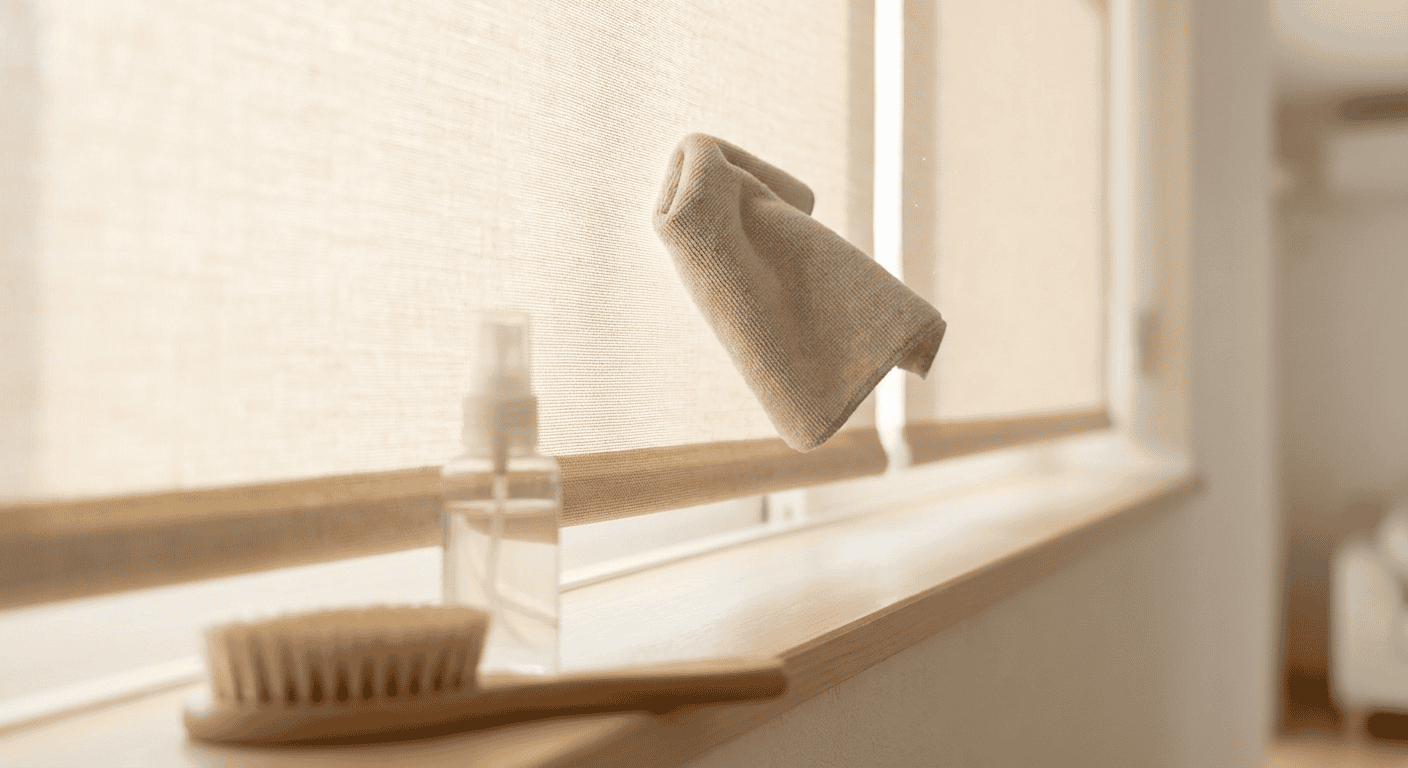
The following items are recommended for most fabric blind cleaning tasks: a vacuum cleaner with an upholstery attachment, soft microfiber cloths, a mild detergent or specialized fabric cleaner, a bowl or bucket for cleaning solutions, and potentially a spray bottle for misting. For specific cleaning needs or more delicate fabrics, consult professional recommendations found in a comprehensive Blind Cleaning Guide.
Beyond basic supplies, consider specialized tools that can enhance your cleaning efforts. These might include a soft brush for dusting or a gentle stain remover. For premium fabric options like those found in the Altex® line, specific care instructions should always be followed, as outlined in our information on Altex® Commercial Shades. When dealing with high-end window treatments such as Alustra Architectural Roller Shades: Premium Design, using the correct supplies is even more critical.
Vacuuming for Dust Removal
The initial step in cleaning fabric blinds involves removing loose dust and debris. Utilizing a vacuum cleaner equipped with a soft brush or upholstery attachment is highly effective for this purpose. Gently run the attachment over the surface of the blinds, moving from top to bottom to ensure all dust is captured. This process is crucial for preventing dust from being worked into the fabric during wet cleaning stages.
A thorough vacuuming session not only removes surface dust but also helps to prevent the buildup of allergens and pet dander within the blind fabric. This makes the subsequent cleaning steps more effective and contributes to better indoor air quality. For more detailed guidance on vacuuming various blind types, refer to our custom blind solutions for more.
Regular vacuuming is a simple yet vital maintenance task that can significantly prolong the life and appearance of your fabric blinds. It’s a foundational step in any cleaning regimen, preparing the blinds for more intensive treatments if needed. For those interested in different window covering options, exploring Modern Window Treatments: Trends & Ideas can offer insights into various material care. If you need to remove your blinds for deep cleaning, learn how to safely remove Bali blinds from their brackets.
Preparing Gentle Cleaning Solutions
When preparing cleaning solutions for fabric blinds, it is essential to use mild, pH-neutral detergents mixed with lukewarm water. A common recommendation is to use a small amount of gentle dish soap, such as Dawn, mixed into a bowl of water. Always test any cleaning solution on an inconspicuous area of the blind first to ensure it doesn’t cause discoloration or damage. For those in the Edmonton area, exploring options like Blinds Alberta Avenue Edmonton can provide further assistance with window treatments.
For tougher spots or mild discoloration, a solution of equal parts white vinegar and water can be effective. Vinegar is a natural disinfectant and can help break down grime. However, it’s crucial to use it sparingly and ensure thorough rinsing afterward to avoid any lingering scent. This is particularly important when considering Blind Cleaning Guide instructions.
Always avoid harsh chemicals, bleach, or abrasive cleaners, as these can severely damage fabric blinds. For very delicate fabrics, consider professional cleaning services or specialized fabric cleaners. Understanding the specific material of your blinds, whether they are standard fabric or premium options like those in the Altex® Commercial Shades range, will guide your choice of cleaning agents. Proper care extends to exploring the unique benefits of options such as Alustra Architectural Roller Shades: Premium Design.
Spot Cleaning Techniques
Spot cleaning is ideal for addressing small stains or localized dirt on fabric blinds without the need for a full wash. To spot clean, gently blot the affected area with a clean, damp microfiber cloth dampened with your mild cleaning solution. Avoid rubbing vigorously, as this can spread the stain or damage the fabric fibers.
For stubborn spots, a slightly more concentrated solution or a specialized fabric stain remover can be used. Always follow the product instructions carefully and test in an inconspicuous area first. After treating the stain, gently blot the area with a clean, damp cloth to rinse and remove any cleaning residue. Allow the area to air dry completely.
Effective spot cleaning requires patience and the right technique to lift the stain without leaving a water mark or altering the fabric’s texture. This method is a valuable part of maintaining blinds, especially when compared to more intensive cleaning processes. For those looking to understand various window treatment options, our guide to Modern Window Treatments: Trends & Ideas can be informative. For more involved issues, consider consulting our comprehensive blind repair guide for solutions.
Damp Wiping and Rinsing
After addressing any specific stains, a gentle damp wipe can refresh the entire surface of the fabric blinds. Use a clean microfiber cloth lightly dampened with plain water or a very diluted cleaning solution. Wring out the cloth thoroughly to ensure it is just damp, not wet, to prevent oversaturation of the fabric.
Wipe each section of the blinds systematically, following the direction of the fabric weave if discernible. This helps to lift surface dirt and dust without pushing it deeper into the material. After wiping, a second clean cloth, also lightly dampened with plain water, should be used to gently rinse the fabric and remove any residual cleaning solution.
Ensuring all cleaning agents are rinsed away is critical to prevent residue buildup, which can attract more dirt over time or cause fabric discoloration. Proper rinsing is a key component of safe fabric blind cleaning, complementing steps like those found in our Blind Cleaning Guide. For those considering specific types of blinds, understanding how to clean them, such as the process for Altex® Commercial Shades, is beneficial, and exploring modern window treatments can offer new ideas.
Step-by-Step Guide: How to Deep Clean Fabric Blinds
- Prepare the Area: Lower or draw the fabric blinds completely. If possible, remove them from their brackets for easier cleaning, especially if they are heavily soiled. You can find instructions for removing certain types of blinds in our DIY Tutorial: How to Safely Remove Bali Blinds for more.
- Vacuum Thoroughly: Use a vacuum cleaner with an upholstery brush attachment to remove as much loose dust and debris as possible from both sides of the blinds.
- Prepare Cleaning Solution: Mix a mild detergent (like dish soap) with lukewarm water in a basin or bathtub. Avoid harsh chemicals. For guidance on suitable solutions, consult our Blind Cleaning Guide.
- Spot Test: Before applying any solution to the entire blind, test it on a small, inconspicuous area to check for colorfastness and fabric damage.
- Gentle Washing: Using a soft sponge or microfiber cloth dipped in the cleaning solution and wrung out well, gently wipe down the fabric. Work from top to bottom, and be careful not to oversaturate the material.
- Address Stains: For persistent stains, you may need a specific spot cleaner. Apply it carefully according to product directions and gently blot the stain.
- Rinse Carefully: Using a clean, damp cloth, wipe the blinds to remove all soap residue. Ensure the fabric is not left overly wet.
- Dry Thoroughly: Allow the blinds to air dry completely, preferably in a well-ventilated area, before rehanging them. Avoid direct sunlight or heat, which can cause fading or damage. If you’ve removed the blinds, let them hang freely to dry. For repair advice, see Edmonton Blind Repair Guide: Fix Your Blinds for more.
Spot Cleaning vs. Deep Cleaning Fabric Blinds
Choosing between spot cleaning and deep cleaning fabric blinds depends on the situation. Spot cleaning is best for immediate attention to small spills or localized marks, using minimal moisture and a gentle approach. It’s a quick fix that targets specific issues without requiring extensive preparation or drying time.
Deep cleaning, on the other hand, is a more comprehensive process recommended for overall grime, accumulated dust, or stubborn odors. This usually involves washing the blinds, either in place or after removal, and requires more time for the cleaning and drying phases. Deep cleaning is crucial for maintaining the fabric’s condition over the long term.
The table below outlines the key differences and best uses for each method. For ongoing care, consult our Blind Cleaning Guide. Understanding the nuances between different window treatments, like comparing Roman Shades Vs Cellular Shades: Which is Best?, also informs cleaning strategies. For premium commercial options, see Altex® Commercial Shades. When considering new window coverings, it’s also helpful to know the differences between real wood and faux wood blinds.
| Feature | Spot Cleaning | Deep Cleaning |
|---|---|---|
| Best For | Small spills, isolated stains, quick touch-ups. | Overall grime, heavy dust, odors, periodic intensive cleaning. |
| Moisture Level | Minimal, damp cloth only. | Moderate to significant, may involve soaking or thorough washing. |
| Drying Time | Quick, area dries in minutes. | Extended, requires significant air drying time. |
| Preparation | Minimal, often done in place. | May require removing blinds, significant setup. |
| Effectiveness | Targets specific issues, prevents spreading. | Restores overall appearance, removes deep-set dirt. |
Common Cleaning Mistakes to Avoid
When cleaning fabric blinds, several common mistakes can lead to irreversible damage. One of the most frequent errors is using harsh chemicals, such as bleach or strong solvents, which can fade colors, weaken fabric fibers, or cause permanent staining. Always opt for mild, fabric-safe cleaning agents.
Another significant mistake is oversaturating the fabric with water. Excessive moisture can lead to water spots, mildew growth, and damage to the internal structure of the blinds. It’s crucial to wring out cleaning cloths and sponges thoroughly, ensuring they are only damp, not dripping wet. This careful approach is vital when following procedures like those in our DIY Tutorial: How to Safely Remove Bali Blinds.
Forgetting to test cleaning solutions in an inconspicuous area before applying them to the entire blind is also a common pitfall. This can result in unexpected discoloration or damage across a large surface. Always perform a patch test to confirm compatibility. For those in specific areas, localized repair services like those in Leduc Blind Repair & Maintenance Services can be helpful if damage occurs.
Over-Washing or Scrubbing
A common mistake is applying too much pressure or scrubbing too vigorously when cleaning fabric blinds. This can cause the fabric fibers to fray, pill, or even tear, especially with delicate materials. Gentle blotting and wiping motions are always recommended over aggressive scrubbing.
The frequency of washing also matters. Deep cleaning should not be done too often, as it can wear down the fabric over time. Regular dusting and spot cleaning are usually sufficient for maintenance between more thorough washes. Understanding the nuances of blind care is crucial for longevity, as detailed in The Ultimate Blind Repair Guide.
Excessive washing can strip natural oils from certain fabrics or damage their structure. Therefore, it’s important to adhere to manufacturer recommendations and proceed with caution. For standard blinds, routine dusting is often sufficient. If considering alternatives, explore options like Modern Window Treatments: Trends & Ideas, or learn how to maximize energy savings with efficient blinds.
Ignoring Manufacturer Instructions
Each type of fabric blind may have specific cleaning requirements outlined by the manufacturer. Ignoring these instructions and opting for a generic cleaning method can lead to damage. Always consult the care label or manufacturer’s website for guidance tailored to your specific window treatments.
For example, some fabrics may be dry-clean only, while others can tolerate a mild soap and water solution. Using the wrong cleaning method can void warranties and result in irreparable harm to the blinds. This diligence is particularly important for specialized blinds, such as those found in commercial settings. Our guide to Your Commercial Blinds Guide: Types, Benefits & More offers insights into professional standards.
Adhering to manufacturer guidelines ensures that you are using the safest and most effective methods for your particular blinds, preserving their quality and appearance. This is a fundamental aspect of proper blind care, whether for residential or commercial applications. For advice on specific products, consider resources like Altex® Commercial Shades.
Using the Wrong Cleaning Tools
The choice of cleaning tools significantly impacts the safety and effectiveness of cleaning fabric blinds. Using abrasive brushes, rough cloths, or harsh scrubbing pads can snag, tear, or scratch the delicate fabric. It’s essential to opt for soft materials that will not cause damage. For instance, if you need to remove your blinds for cleaning, consult how to safely remove Bali blinds.
Microfiber cloths are ideal for dusting and wiping blinds because they are gentle and effective at trapping dust particles. A vacuum with a soft upholstery brush attachment is also highly recommended for initial dust removal. Avoid using stiff brushes or anything that could snag the fabric weave.
Using the right tools ensures that you can clean your blinds thoroughly without risking damage. For instance, a vacuum with appropriate attachments is crucial for comprehensive cleaning, as discussed in general blind cleaning advice. For specialized blinds, such as roller shades, using the correct tools is paramount. Explore options like Designer Roller Shades for potential insights into material care.
Improper Drying Techniques
Allowing fabric blinds to dry improperly is a common mistake that can lead to water stains, mildew, or deformation of the fabric. Never use high heat from a hairdryer or place blinds in direct, intense sunlight to speed up the drying process, as this can cause fading or warping.
The best method for drying fabric blinds is to allow them to air dry completely in a well-ventilated area. If the blinds were removed for cleaning, hang them freely so air can circulate around them. Ensure they are fully dry before rehanging or operating them to prevent creasing or damage.
Proper drying is a critical final step in the cleaning process, ensuring the longevity and appearance of your blinds. If you’ve encountered issues or need to repair blinds, consult resources like our Leduc Blind Repair & Maintenance Services. For general cleaning, always refer back to our comprehensive Blind Cleaning Guide for best practices. For automated convenience, consider exploring smart living options like Powerview automation for effortless control.
Maintaining Fabric Blinds Between Cleanings
Consistent maintenance between thorough cleanings is key to keeping fabric blinds looking their best and prolonging their lifespan. Regular dusting prevents the accumulation of dirt and allergens, making future cleaning easier and less intensive. A simple routine can make a significant difference in the overall condition of your window treatments.
Incorporate simple dusting into your weekly or bi-weekly cleaning schedule. Use a soft microfiber cloth, a feather duster, or the brush attachment of your vacuum cleaner to gently remove dust from the surface of the blinds. Pay attention to folds and crevices where dust tends to settle. This regular upkeep is part of a broader strategy for maintaining your window coverings.
Addressing spills and stains immediately is also a crucial maintenance tip. Prompt spot cleaning prevents stains from setting into the fabric, which can make them much harder to remove later. For more information on different types of window treatments and their care, explore our guide on Modern Window Treatments: Trends & Ideas. Also, consider the benefits of specialized shades like Designer Roller Shades and general care advice from our Blind Cleaning Guide, or discover premium options available in Stony Plain.
- Regular Dusting: Dust blinds weekly using a microfiber cloth, feather duster, or vacuum brush attachment.
- Immediate Spot Cleaning: Address spills and stains as soon as they occur to prevent them from setting.
- Avoid Direct Sunlight: Prolonged exposure to direct sunlight can fade fabric colors. Consider using blinds that offer UV protection or draw them partially during peak sun hours.
- Handle with Care: When operating blinds, do so gently to avoid tearing or damaging the fabric or internal mechanisms.
- Professional Inspection: Periodically have your blinds inspected by a professional for any signs of wear or damage that might require repair.
When to Call a Professional for Fabric Blind Cleaning
While many fabric blinds can be cleaned at home, there are specific situations where calling a professional is the safest and most effective option. Delicate fabrics, intricate designs, or severe staining may require specialized knowledge and equipment that professionals possess. Attempting to clean these yourself could lead to irreparable damage.
If your fabric blinds are made of silk, velvet, or other highly sensitive materials, professional cleaning is often recommended. These fabrics require gentle handling and specific cleaning agents that are best administered by experienced technicians. For commercial properties with large or numerous blinds, professional cleaning ensures consistency and efficiency, as outlined in our Your Commercial Window Coverings Guide for more.
Stubborn stains, mold or mildew growth, or blinds that have not been cleaned in a very long time are also good candidates for professional attention. Professionals have access to industrial-grade cleaning solutions and equipment that can tackle deep-seated issues safely. For those in need of repairs, services such as Edmonton Blind Repair Guide: Fix Your Blinds can be invaluable, and for general upkeep, our The Ultimate Blind Repair Guide provides helpful context.
Keeping Your Fabric Blinds Pristine
Maintaining the pristine condition of your fabric blinds involves a combination of regular maintenance and careful cleaning. By adhering to safe practices and understanding when to seek professional help, you can ensure your window treatments remain beautiful and functional for years to come. Consistent care is the cornerstone of their longevity.
In summary, regular dusting, prompt spot cleaning, and periodic deep cleaning using mild solutions are essential. Always test cleaning products first and avoid oversaturating the fabric. For advanced or delicate blinds, professional cleaning services offer peace of mind and optimal results. Consider exploring smart home integration for effortless control with Smart Living Powerview Automation: Effortless Control for more.
Investing time in the proper care of your fabric blinds protects your investment and enhances the overall appearance of your home. For more information on window treatments and related services, visit About or explore Modern Window Treatments: Trends & Ideas.