

Window Treatment Options: Wood vs. Faux Wood
When considering window treatments, the choice between wood blinds vs faux wood blinds is a common one for homeowners. Both offer distinct advantages and aesthetic appeals, making the decision dependent on individual needs and preferences. Understanding the core differences in material, durability, and maintenance is key to selecting the perfect blinds for your space.
This guide will walk you through the nuances of each option, providing the information necessary to make an informed choice. Whether you prioritize natural elegance or long-lasting resilience, we’ll help you navigate the decision of wood blinds vs faux wood blinds. Exploring the variety of modern window treatments can also offer valuable insights.
Ultimately, selecting the right window coverings can significantly impact your home’s comfort and energy efficiency. For those looking to enhance their home’s insulation, understanding how blinds contribute to maximizing energy savings is crucial. We aim to provide a clear comparison of wood blinds vs faux wood blinds to guide you.
What are Real Wood Blinds?
Real wood blinds are crafted from natural timber, offering a classic and warm aesthetic that can enhance any room’s decor. Their inherent beauty lies in the unique grain patterns and rich tones of the wood, providing an elegant and timeless appeal. These blinds are a popular choice for living rooms, bedrooms, and dining areas where a touch of natural warmth is desired.
The natural material of wood blinds offers a distinct look that is difficult to replicate, bringing a sense of organic sophistication to your windows. When considering their care, understanding how to approach blind cleaning is essential to preserve their beauty. Real wood blinds are a cornerstone of many traditional and rustic interior designs, contributing significantly to the overall ambiance of a home.
Key features of real wood blinds include:
- Natural Beauty: Each slat possesses unique wood grain, offering a one-of-a-kind look.
- Warmth and Texture: The organic feel of wood adds a cozy and inviting atmosphere to any space.
- Customization Options: Available in a wide array of stains and paint colors to match existing decor.
- Lightweight Design: Generally lighter than faux wood, making them easier to operate, especially for larger windows.
- Potential for Refinishing: Minor scratches or wear can sometimes be repaired or refinished.
For a comprehensive understanding, you can refer to guides that detail the specific differences in our real wood vs faux wood blinds comparison. Exploring different modern window treatments can also broaden your perspective on aesthetic choices.
Exploring Faux Wood Blinds: Durable Alternative
Faux wood blinds offer a compelling alternative to real wood, meticulously designed to mimic the appearance of natural timber while providing enhanced durability and moisture resistance. These blinds are typically constructed from composite materials or PVC, making them an excellent choice for areas prone to humidity and moisture, such as kitchens and bathrooms. Their robust construction ensures they withstand daily wear and tear with ease.
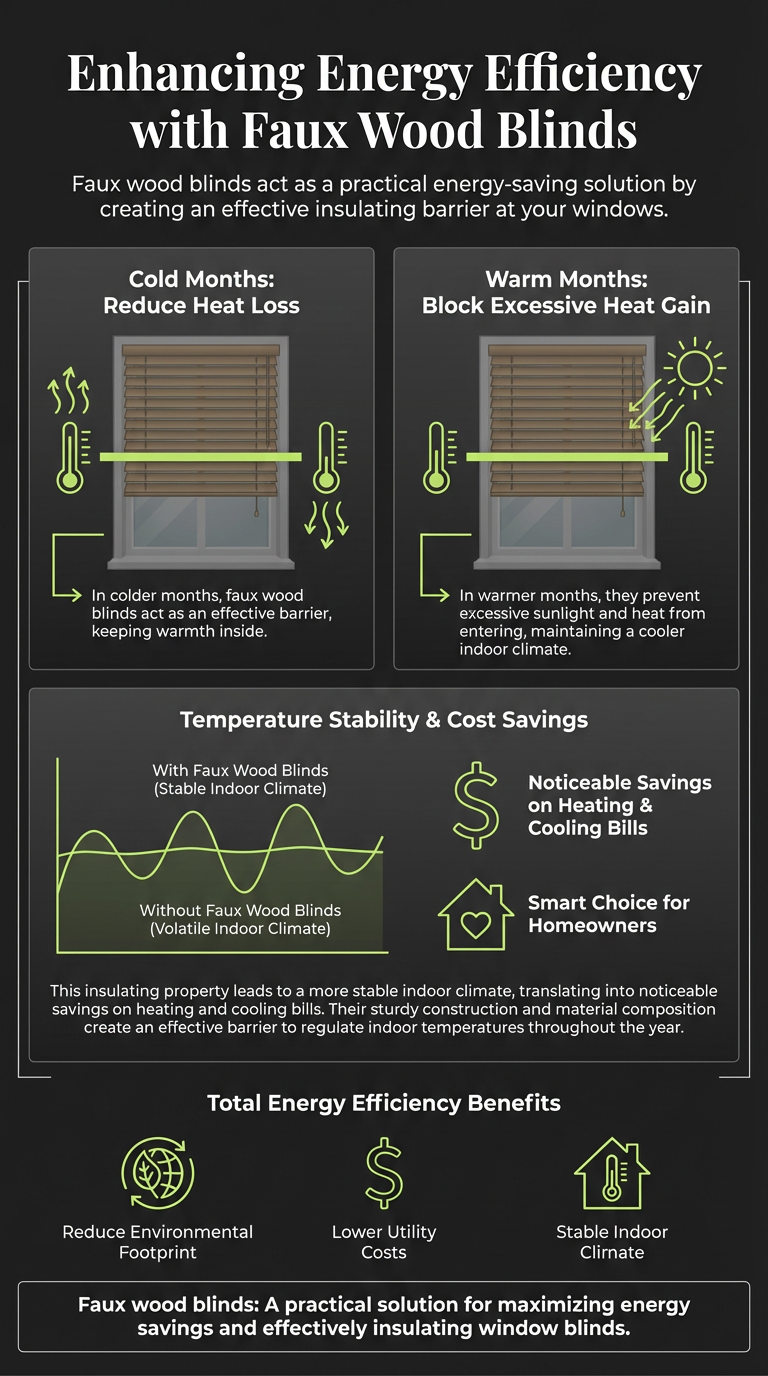
The practical advantages of faux wood blinds make them a popular selection for many homeowners. They provide the desired look of wood without the associated maintenance challenges, making them a smart and convenient window treatment solution. Understanding the benefits of faux wood blinds is key to appreciating their value in various home environments. They represent a modern approach to window coverings that balances style with functionality, and you can learn more about these modern window treatments and their advantages.
The benefits of faux wood blinds include:
- Moisture Resistance: Ideal for high-humidity areas like bathrooms and kitchens, as they won’t warp or crack.
- Durability: Resistant to fading, cracking, and peeling, ensuring a long lifespan.
- Ease of Maintenance: Simple to clean with a damp cloth, making upkeep straightforward.
- Cost-Effectiveness: Generally more affordable than real wood blinds, offering great value.
- Lightweight Construction: Despite their durability, they remain manageable for operation.
These blinds are a fantastic option when considering wood blinds vs faux wood blinds, especially if longevity and low maintenance are top priorities. They can also be a good option if you are looking into blind repair as they are less prone to damage than natural wood. For those focused on energy efficiency, faux wood blinds can also contribute to maximizing energy savings.
Key Differences: Wood Blinds Vs Faux Wood Blinds
When comparing wood blinds vs faux wood blinds, several key distinctions emerge that can influence your final decision. While both aim to provide light control and privacy, their material composition leads to significant differences in performance, care, and aesthetic longevity. Understanding these differences is crucial for choosing the blinds that best suit your home’s specific needs and your personal style.
The following table provides a direct comparison to help clarify the unique attributes of each type of blind. This breakdown is designed to highlight the practical aspects, such as how each material handles moisture and what kind of upkeep they require, making your choice between wood blinds vs faux wood blinds more straightforward. For those exploring various window treatments, our guide to modern window treatments offers additional context.
| Feature | Real Wood Blinds | Faux Wood Blinds |
|---|---|---|
| Material | Natural wood (e.g., basswood, pine) | Composite materials, PVC, or vinyl |
| Durability | Susceptible to warping/cracking in high humidity or extreme temperature changes. Can be scratched or dented. | Highly resistant to moisture, warping, cracking, and fading. Generally more impact-resistant. |
| Maintenance | Requires careful dusting; avoid harsh cleaners or excessive moisture. May need occasional refinishing. | Easy to clean with a damp cloth; resistant to stains and moisture. |
| Appearance | Authentic, rich wood grain and natural warmth. Unique patterns on each slat. | Mimics wood grain closely; appearance can vary by manufacturer. Can have a more uniform look. |
| Cost | Generally more expensive due to the natural material and craftsmanship. | Typically more affordable, offering a similar aesthetic at a lower price point. |
| Weight | Lighter than faux wood, making them easier to operate on large windows. | Can be heavier, which might affect operation on very wide windows. |
When weighing wood blinds vs faux wood blinds, consider the specific environment of each room. For high-moisture areas, faux wood is often the superior choice. If you are exploring other blind types, our comparison of Roman shades vs cellular shades might also be of interest.
Durability and Maintenance Considerations
When deciding between wood blinds vs faux wood blinds, their durability and maintenance requirements are paramount. Real wood blinds offer a natural charm but demand more careful handling, especially in environments with fluctuating humidity levels. Prolonged exposure to moisture can cause real wood to warp, fade, or even crack over time, necessitating a gentle cleaning approach and careful consideration of placement.
In contrast, faux wood blinds are engineered for resilience. Having worked with local homeowners for years, our team has observed that faux wood blinds often stand up better to high humidity environments and daily wear and tear than real wood. Their construction makes them resistant to moisture, fading, and warping, translating to less worry and easier upkeep. This makes them an ideal choice for busy households or challenging room conditions, simplifying your blind cleaning routine.
For any unexpected issues, understanding the basics of blind repair is also beneficial. While faux wood blinds are generally very durable, minor damage can sometimes occur. Both types of blinds can contribute to your home’s energy efficiency; for instance, ensuring your window treatments are properly fitted helps in maximizing energy savings by reducing heat transfer.
Cost and Value: Wood Blinds Vs Faux Wood Blinds
The financial aspect is a significant consideration when comparing wood blinds vs faux wood blinds. Generally, real wood blinds represent a higher initial investment. This is due to the cost of sourcing quality lumber, the complexity of manufacturing, and the inherent value of natural materials. However, many homeowners find the investment worthwhile for the unparalleled aesthetic and warmth that genuine wood provides.
Faux wood blinds typically offer a more budget-friendly option. Their manufacturing process uses more readily available composite or PVC materials, which lowers production costs. Despite being more affordable, they deliver a comparable look to real wood, making them an attractive choice for those seeking value without compromising style. The long-term durability of faux wood can also lead to greater overall value by reducing the need for frequent replacements.
Several factors influence the cost of both wood and faux wood blinds, and for a deeper dive into the nuances of these materials, you can explore our detailed comparison of real wood vs faux wood blinds.
- Material Quality: The type of wood used for real wood blinds or the quality of composite for faux wood significantly impacts price.
- Slat Size: Wider slats often cost more than narrower ones for both types.
- Finish Options: Custom stains, paints, or specialized finishes can increase the price.
- Operating Mechanisms: Advanced features like motorization or cordless systems add to the overall cost.
- Brand and Retailer: Prices can vary between different manufacturers and where you purchase the blinds.
When evaluating wood blinds vs faux wood blinds from a cost perspective, it’s important to consider the long-term benefits and intended use. For commercial applications where durability and budget are key, understanding options like your commercial blinds guide or specific top 3 commercial blinds for offices can be insightful. Our comparison of real wood vs faux wood blinds provides more detail on value.
Choosing the Best Option for Your Home
Selecting the right window treatment is a personal decision, and understanding where you’ll be installing wood blinds vs faux wood blinds is a critical first step. Consider the specific conditions of each room: high-moisture areas like kitchens and bathrooms benefit immensely from the resilience of faux wood, while living rooms and bedrooms might be perfect for the natural warmth of real wood. Your lifestyle also plays a role; if you have young children or pets, the durability and ease of maintenance of faux wood might be more suitable. For a deeper dive into the pros and cons of each, check out our guide on real wood vs faux wood blinds.
To help you make the best choice, ask yourself these key questions when deciding between wood and faux wood blinds:
- What is the primary function of the blinds in this room (e.g., light control, privacy, insulation)?
- How much direct sunlight does the window receive, and could it cause fading or warping?
- What is the humidity level in the room throughout the year?
- What is my budget for this window treatment?
- How much time am I willing to dedicate to maintenance and cleaning?
- What aesthetic style am I trying to achieve in this space?
By carefully considering these factors, you can determine whether wood blinds vs faux wood blinds are the optimal fit for your home. Exploring different styles like modern window treatments or specific products such as Alustra Architectural Roller Shades can also help refine your vision. Our detailed comparison of real wood vs faux wood blinds offers further guidance.
Expert Advice: Making Your Final Decision
As you finalize your decision between wood blinds vs faux wood blinds, remember that expert advice can illuminate the path forward. Our team has extensive experience helping homeowners navigate these choices, understanding the unique needs of each home and lifestyle. We emphasize that while both options offer light control and privacy, their performance in different environments can vary significantly.
For instance, in rooms exposed to frequent temperature fluctuations or high humidity, faux wood blinds often prove to be the more practical and long-lasting choice. Conversely, if you’re aiming for the quintessential natural warmth and beauty in a drier environment, real wood blinds can provide an unmatched elegance. Consider exploring automated options like Smart Living Powerview Automation for enhanced convenience with either material type. For a seamless experience, remote control blinds offer modern functionality.
We encourage you to consult with our professionals to discuss your specific requirements. Our About page provides more insight into our commitment to customer satisfaction. Understanding the full spectrum of options, from modern window treatments to specialized blinds, ensures you make the best choice for your home’s aesthetic and functional needs.
Conclusion: Your Wood Blinds Vs Faux Wood Blinds Guide
In conclusion, the choice between wood blinds vs faux wood blinds hinges on a balance of aesthetics, durability, maintenance, and budget. Real wood blinds offer unparalleled natural beauty and warmth, ideal for living spaces where humidity is not a concern. Faux wood blinds, on the other hand, provide a highly durable, moisture-resistant, and low-maintenance alternative that closely mimics the look of real wood, making them exceptionally versatile for various rooms in the home.
Ultimately, both wood blinds vs faux wood blinds can be excellent choices depending on your priorities. By understanding the key differences, as detailed in our comparison of real wood vs faux wood blinds, you can confidently select the window treatment that best suits your home’s environment and your personal style. Exploring various modern window treatments can further enhance your decision-making process, ensuring optimal comfort and energy efficiency for your living space.
We hope this comprehensive guide has clarified the distinctions between wood blinds vs faux wood blinds, empowering you to make an informed decision. Remember that proper selection can significantly contribute to your home’s ambiance and energy efficiency, aligning with goals such as maximizing energy savings. If you’re considering a DIY approach for any window treatment adjustments, our tutorial on how to safely remove Bali blinds from their brackets can offer valuable guidance.