

Roman Shades Vs Cellular Shades Guide
When considering window treatments, the choice between roman shades vs cellular shades is a common dilemma for homeowners. Both offer distinct advantages in terms of style and functionality, but they cater to different needs. Understanding their unique characteristics is key to selecting the best option for your home’s insulation, energy efficiency, and overall aesthetic. We’ll explore the nuances of roman shades vs cellular shades to help you make an informed decision.
Making the right choice for your window coverings impacts both the comfort and the visual appeal of your living spaces. Whether you prioritize a luxurious look or superior energy savings, this guide will illuminate the path to selecting the perfect shades. Explore the possibilities for enhancing your home’s modern window treatments and discover how smart choices can maximize energy savings.
For those in regions like Stony Plain, understanding these differences is crucial for adapting to local climate needs. This comprehensive comparison aims to demystify roman shades vs cellular shades, providing clarity for homeowners aiming to improve their home’s performance and style.
What are Roman Shades?
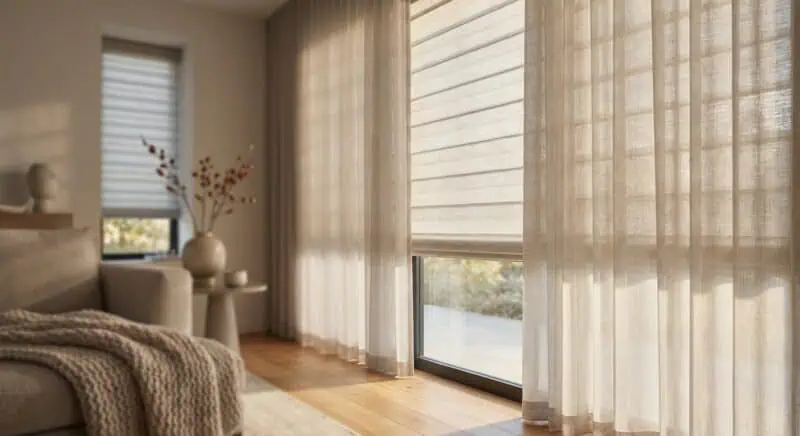
Roman shades are celebrated for their elegant and timeless design, offering a soft, fabric-based window covering. They achieve their signature look through a system of folds that stack neatly when raised, creating a sophisticated drape. This style adds a touch of luxury to any room, making them a popular choice for those who value aesthetics.
Available in a vast array of fabrics, patterns, and textures, Roman shades can be tailored to complement any interior design scheme. From classic pleats to modern flat panels, their versatility allows for significant customization. The construction of Roman shades, while beautiful, is primarily focused on appearance rather than advanced insulation, though certain linings can offer some thermal benefits. For homeowners seeking premium design elements, exploring options like Alustra Architectural Roller Shades can provide a different yet equally sophisticated approach.
When comparing roman shades vs cellular shades, it’s important to note that Roman shades bring a distinct decorative flair. They are an excellent choice for enhancing the ambiance of formal living spaces or adding a refined touch to bedrooms and dining rooms. These shades can also be layered with curtains for a more opulent look, as seen in many modern window treatments.
What are Cellular Shades?
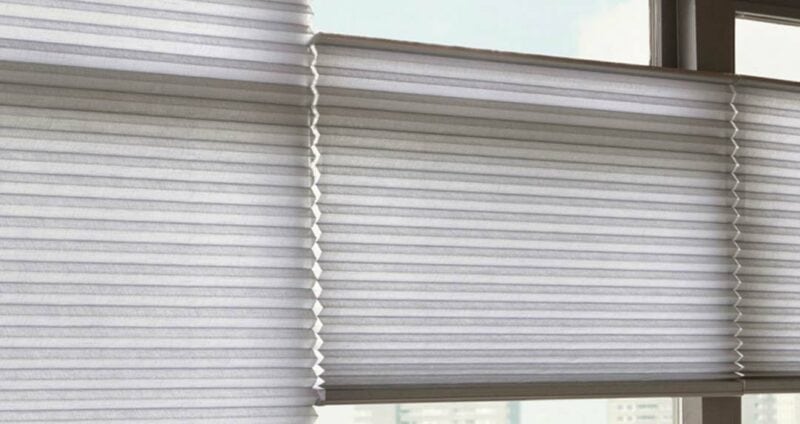
Cellular shades, also known as honeycomb shades, are renowned for their exceptional energy efficiency and insulation capabilities. Their unique structure, consisting of interconnected honeycomb-shaped cells, traps air, creating a barrier that helps regulate indoor temperatures year-round. This design significantly reduces heat transfer, making them an excellent choice for maximizing energy savings.
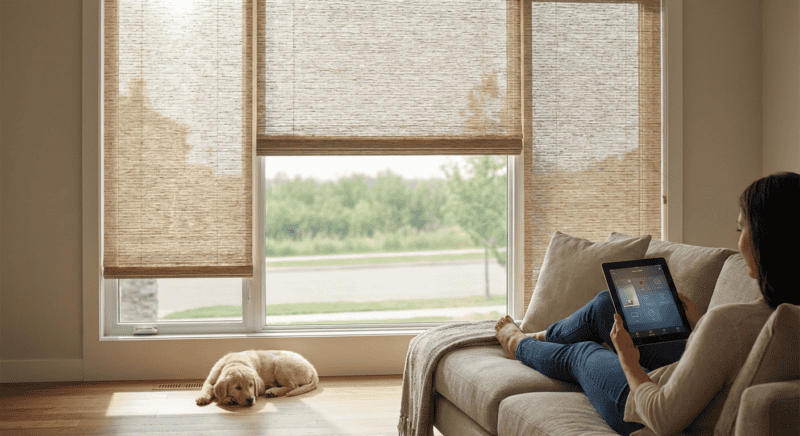
Beyond their thermal benefits, cellular shades offer excellent light control and sound dampening qualities. They are available in various opacities, from light-filtering to completely blackout, providing privacy and reducing glare. Many cellular shades are also designed to integrate seamlessly with smart home systems, offering effortless control through automation, such as with Smart Living Motorized Blinds or the advanced Smart Living Powerview Automation for more.
In a direct comparison of roman shades vs cellular shades, cellular shades stand out for their functional superiority in insulation. They are ideal for homeowners looking to reduce energy costs and enhance their home’s comfort, especially in climates with extreme temperatures. Their modern, clean aesthetic also fits well with contemporary interior design trends, offering a practical yet stylish solution for various rooms, contributing to overall energy efficiency for more.
Key Differences: Roman Shades Vs Cellular Shades
The fundamental differences between roman shades vs cellular shades lie in their construction, primary function, and aesthetic. Roman shades are fabric-based and emphasize decorative style, while cellular shades utilize a honeycomb structure for superior insulation and energy efficiency. This core distinction influences their performance in light control, privacy, and thermal regulation.
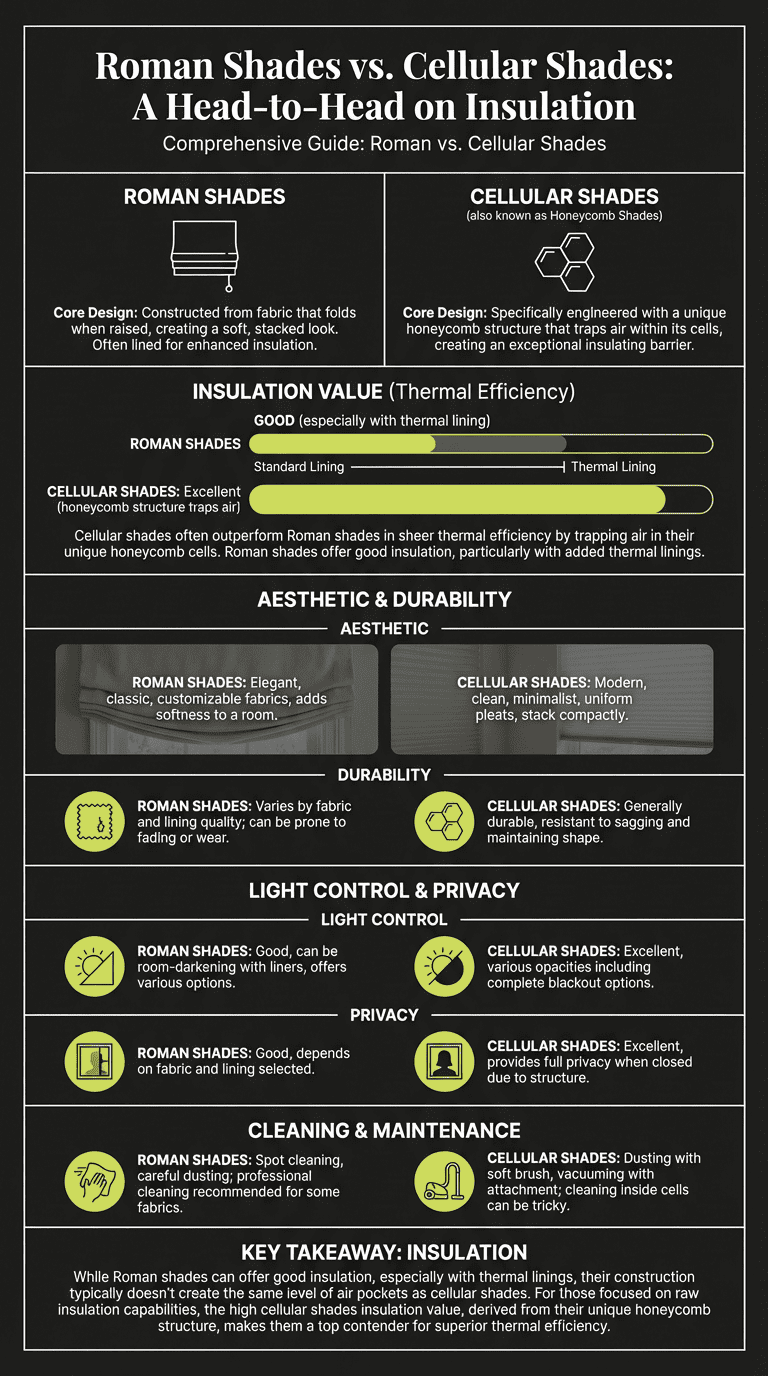
When comparing roman shades vs cellular shades, material and construction are paramount. Roman shades are typically made from drapery fabrics, offering a soft, folded appearance. Cellular shades, conversely, are constructed from a non-woven polyester material formed into air-trapping cells. This difference impacts their insulation capabilities significantly. Consider how real wood vs faux wood blinds also present distinct material choices.
Light control also varies: while Roman shades offer options from sheer to blackout depending on the fabric, cellular shades provide precise control through different opacities and blackout capabilities. For those focusing on enhancing their home’s appeal through modern window treatments, the visual impact of Roman shades is often preferred, whereas cellular shades are chosen for their practical benefits like improved energy efficiency.
Material and Construction
The construction of Roman shades involves fabric panels that fold neatly when the shade is raised, creating pleats or folds. This intricate construction contributes to their elegant appearance but can also lead to dust accumulation in the folds. The materials used can range widely, from light linens to heavy velvets, allowing for diverse stylistic outcomes.
Cellular shades, on the other hand, are engineered with a unique honeycomb structure. This design consists of one or more layers of cells, trapping air to provide excellent insulation. The materials are typically durable, non-woven fabrics designed to withstand repeated operation and maintain their cellular shape. This innovative design makes them highly effective for temperature regulation, and you can learn more about how to maximize energy savings with efficient window treatments, including options like Hunter Douglas shades for more.
Aesthetic Appeal and Style
Roman shades are known for their soft, luxurious drape and tailored look, making them a versatile choice for various decor styles. They can add a touch of elegance to formal spaces or a cozy feel to casual rooms. The wide selection of fabrics and patterns means they can be a significant design element in any interior.
Cellular shades offer a more minimalist and contemporary aesthetic. Their clean lines and unobtrusive design make them suitable for modern interiors. While they may not offer the same level of decorative richness as Roman shades, their sleek appearance is highly valued in minimalist and functional design schemes. Explore options like Alustra Architectural Roller Shades for another contemporary choice. If you’re considering a DIY project, learning how to safely remove Bali blinds can be a helpful skill.
Insulation and Energy Efficiency
Cellular shades are the undisputed champions when it comes to insulation and energy efficiency. Their honeycomb structure traps air, acting as a thermal barrier that significantly reduces heat transfer. This capability helps keep homes cooler in the summer and warmer in the winter, leading to lower energy bills. Their effectiveness in maximizing energy savings is a primary reason for their popularity.
Roman shades offer some level of insulation, especially when lined with thermal material. However, their fabric construction inherently allows for more heat transfer compared to the air pockets found in cellular shades. While they can contribute to reducing drafts and slightly improving energy efficiency, they are not primarily designed for this purpose. Choosing shades with thermal linings can enhance their performance, and for ultimate convenience, consider exploring smart living motorized blinds. For commercial applications, check out our commercial window coverings guide for more.
Light Control and Privacy
Both Roman shades and cellular shades offer varying degrees of light control and privacy. Roman shades can be made with sheer, light-filtering, or blackout fabrics, allowing homeowners to choose the level of illumination and privacy desired. The way they fold can sometimes allow small amounts of light to filter through the pleats.
Cellular shades excel in providing excellent light control and privacy. They are available in a spectrum of opacities, from sheer to room-darkening and blackout. The seamless construction of cellular shades minimizes light leakage around the edges, offering superior privacy compared to many other window treatments. This makes them a great option for bedrooms and media rooms where complete darkness is desired. For a different style of shade, consider our window treatments in Devon Alberta for insights into their performance.
Pros and Cons Comparison
Deciding between roman shades vs cellular shades involves weighing their respective advantages and disadvantages. Roman shades offer superior aesthetic versatility and a luxurious appearance, making them ideal for decorative purposes. However, they tend to be less effective in insulation and can be more challenging to clean due to their fabric folds. For information on maximizing energy efficiency, consider exploring how to maximize energy savings with efficient blinds.
Cellular shades, conversely, are designed for optimal energy efficiency and insulation, offering significant cost savings on heating and cooling. Their honeycomb structure provides excellent thermal performance and sound dampening. While functional, their aesthetic is generally more utilitarian than the decorative richness of Roman shades. For those seeking functional window treatments near Spruce Grove, cellular shades are a strong contender.
The table below provides a direct comparison to help clarify the differences when choosing between roman shades vs cellular shades, focusing on key features relevant to homeowners aiming to maximize energy savings and improve their home’s comfort.
| Feature | Roman Shades | Cellular Shades |
|---|---|---|
| Pros | Elegant, luxurious aesthetic; Wide variety of fabrics and colors; Customizable design options; Can be layered with curtains. | Superior insulation and energy efficiency; Excellent light control and privacy; Sound dampening qualities; Modern, clean look; Cordless and motorized options available. |
| Cons | Less effective insulation; Fabric can collect dust and require more cleaning; Can be more expensive due to fabric and construction. | Less decorative fabric variety; Aesthetic may be considered less luxurious than Roman shades; Can be susceptible to damage from harsh sunlight over time. |
| Material | Fabric (linen, cotton, silk, polyester, etc.) | Non-woven polyester fabric forming honeycomb cells |
| Insulation | Moderate (enhanced with thermal lining) | Excellent |
| Style | Classic, sophisticated, decorative | Modern, minimalist, functional |
Which is Best for Your Needs?
For commercial spaces, consider the benefits of specific window treatments; for example, top commercial blinds for offices offer durability and functionality.
Determining whether Roman shades or cellular shades are best for your needs depends on your priorities. If your primary goal is to enhance the decorative appeal of a room with soft fabrics and elegant folds, Roman shades are likely the superior choice. They are perfect for adding a touch of sophistication to dining rooms, living areas, or bedrooms where style is paramount. For those prioritizing energy efficiency and modern functionality, cellular shades offer excellent benefits, and you can explore options like motorized blinds for added convenience.
Conversely, if energy efficiency, insulation, and light control are your main concerns, cellular shades are the clear winner. Their honeycomb design provides exceptional thermal performance, helping to regulate room temperature and reduce energy costs. They are an excellent option for any room where comfort and energy savings are key, including nurseries and modern window treatments.
Consider these scenarios when making your choice between roman shades vs cellular shades: If you’re looking for advanced smart home integration, check out your Powerview automation guide for more details.
- For a luxurious, layered look: Roman shades are ideal, offering a rich fabric aesthetic that complements elaborate decor.
- When prioritizing decorative fabric options: Roman shades provide an unparalleled range of textures, colors, and patterns to match your interior design.
- For formal living spaces: The refined elegance of Roman shades enhances the sophistication of formal rooms.
- To maximize energy efficiency: Cellular shades are the top choice due to their superior insulating properties, helping to reduce heating and cooling costs.
- For specific light control needs: Cellular shades offer precise light management, from sheer to blackout, making them versatile for various room functions, including those with half arched window blinds for more.
Maximizing Value and Performance
Choosing the right window treatment between roman shades vs cellular shades can significantly enhance your home’s overall value and performance. By opting for shades that align with your priorities—whether aesthetic or functional—you invest in improved comfort, energy efficiency, and long-term savings. For instance, selecting shades that provide excellent insulation can dramatically reduce utility bills, directly impacting your home’s performance.
The benefits of making an informed choice extend beyond immediate comfort. Enhanced energy efficiency means lower heating and cooling costs year-round, contributing to a more sustainable and cost-effective home environment. Furthermore, improved light control and privacy add to the overall functionality and appeal of your living spaces. Our team has observed firsthand how homeowners often prioritize superior insulation when selecting shades for their bedrooms, seeking a comfortable and energy-efficient retreat. This understanding is vital when considering options like Smart Living Motorized Blinds for added convenience.
Here are some key benefits of choosing the right shade type:
- Enhanced energy efficiency: Reduce reliance on HVAC systems, leading to lower energy bills.
- Improved light control: Manage natural light to enhance comfort and protect furnishings from UV damage.
- Increased privacy: Ensure your home remains a private sanctuary.
- Aesthetic appeal: Elevate the interior design of your home with stylish and well-chosen window treatments, such as those found in modern window treatments.
- Sound dampening: Cellular shades, in particular, can help reduce ambient noise, contributing to a quieter living environment.
For residents near 50 Street Edmonton, selecting window treatments that offer both style and substantial energy savings is a wise investment in their property.
Maintaining Your Shades
Proper maintenance is crucial for ensuring the longevity and optimal performance of both Roman and cellular shades. Regular care helps keep them looking their best and prevents potential issues that could affect their functionality or appearance. Understanding the specific cleaning needs for each type of shade is key to their upkeep.
For Roman shades, which are fabric-based, gentle dusting or vacuuming with a brush attachment is recommended for regular cleaning. For deeper cleaning, spot treatment or professional dry cleaning might be necessary depending on the fabric type. It’s important to consult care instructions for the specific fabric to avoid damage. For those seeking to maintain their window treatments, a comprehensive blind cleaning guide is invaluable.
Cellular shades are generally easier to maintain. Their synthetic material can typically be wiped clean with a soft, damp cloth. For tougher spots, a mild soap solution can be used, followed by a thorough rinse with a clean, damp cloth. For battery-operated cellular shades, ensuring the rechargeable battery wand is functioning correctly is also part of the maintenance. In cases of minor damage or wear, professional Edmonton blind repair services can often restore them to good working order.
Expert Advice for Choosing Shades
When navigating the options between roman shades vs cellular shades, seeking expert advice can be invaluable. Our professionals understand the nuances of each type and can guide you toward the best choice based on your home’s specific needs, climate, and aesthetic preferences. Trusted brands offer a wide range of styles and functionalities, ensuring you find a perfect fit.
Consider consulting resources like Hunter Douglas Shades: A Quick Guide to explore premium options. We recommend looking at reviews and product details, such as those for Alta Roller Shades, to understand performance and style. Professional installation and consultation are key to maximizing the benefits of your chosen window treatments, whether you’re in Stony Plain or any other area.
The expertise of our team can help you balance factors like light control, insulation, and decorative style to make the most informed decision for your home. We are dedicated to providing solutions that enhance both the beauty and the efficiency of your living spaces.
Making Your Final Decision
Ultimately, the decision between roman shades vs cellular shades hinges on your personal priorities and the specific requirements of your home. Roman shades offer a classic elegance and a wide canvas for decorative expression, perfect for enhancing interior aesthetics. They bring a touch of timeless sophistication to any room.
Cellular shades, on the other hand, excel in functionality, providing superior insulation, energy efficiency, and light control. They are the pragmatic choice for homeowners looking to reduce energy costs and improve indoor comfort. Their modern design and technological integration also appeal to those seeking convenience and efficiency. Explore the latest in modern window treatments to see how these shades fit contemporary styles.
We encourage you to consider how each type aligns with your vision for your home’s comfort and style. For personalized recommendations and expert installation services, our team is ready to assist you in making the best choice. Visit our about page to learn more about our commitment to quality and customer satisfaction, and discover why we are a trusted provider in areas like Stony Plain.