

Roller Blinds vs. Sheer Shades: Light Control
Understanding the nuances of roller blinds vs sheer shades light control privacy is crucial when selecting the right window treatments for your home. While both offer a way to manage natural light and provide privacy, their mechanisms and effectiveness differ significantly. This guide delves into these distinctions to help you make an informed decision that suits your aesthetic and functional needs.
Roller blinds are known for their simplicity and consistent light-blocking capabilities, making them a practical choice for many. Sheer shades, on the other hand, offer a softer approach, diffusing light and creating a more ambient atmosphere while still providing a level of privacy. Exploring these differences is key to maximizing comfort and style in any room, especially when considering options like Hunter Douglas shades for your home.
The primary goal when choosing between roller blinds vs sheer shades light control privacy is to find a balance that meets your household’s specific requirements. Whether you prioritize complete darkness, gentle light diffusion, or enhanced security, each option presents unique advantages. Our team is dedicated to helping you navigate these choices, ensuring you find the perfect fit for your home.
What Are Roller Blinds?
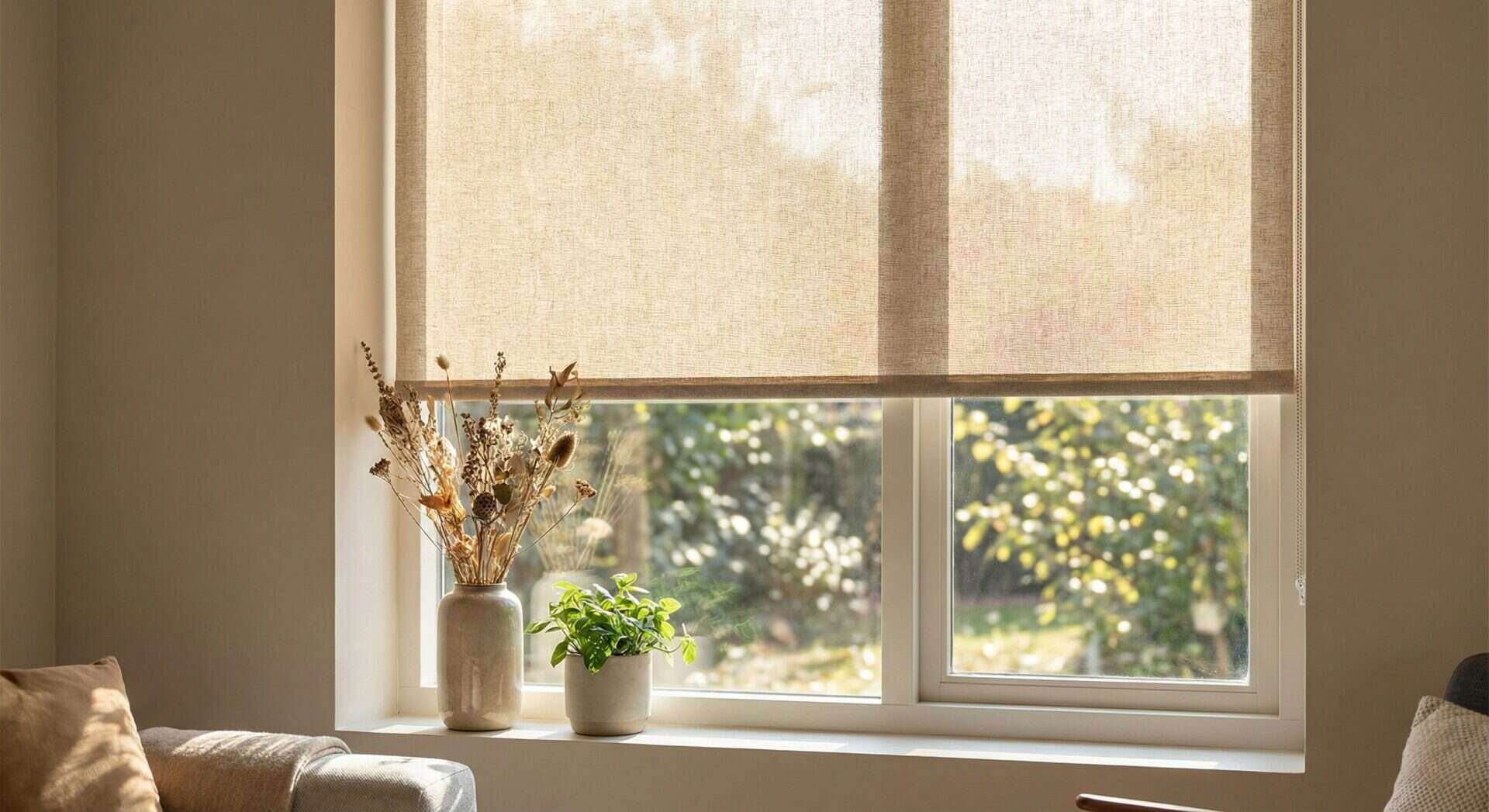
Roller blinds are a popular window covering known for their straightforward design and effective light management. They consist of a single piece of fabric that rolls up and down on a tube, offering a clean and minimalist look. Many homeowners appreciate their ease of use and the wide variety of fabric options available, from blackout materials to light-filtering weaves. For those interested in specific brands, you can find detailed information in our designer roller shades guide.
Roller blinds are a popular window covering characterized by a single piece of fabric that rolls up and down on a tube. This simple mechanism allows for easy operation, making them a straightforward choice for everyday use. Their design is versatile, fitting seamlessly into various interior design schemes, from modern to traditional.
The functionality of roller blinds centers on their ability to provide consistent light control and privacy. When fully lowered, they offer a solid barrier, effectively blocking out light and obscuring views from the outside. This makes them ideal for bedrooms or media rooms where darkness is desired. You can explore our comprehensive guide on how to measure for blinds to ensure a perfect fit.
Roller blinds come in a wide array of fabrics, including light-filtering, room-darkening, and blackout options, allowing homeowners to tailor the light management to their specific needs. The benefits of custom blinds extend to personalized aesthetics and enhanced functionality, which you can learn more about in our benefits of custom blinds article. For a broader overview of window treatments, consult our types of window blinds guide.
What Are Sheer Shades?
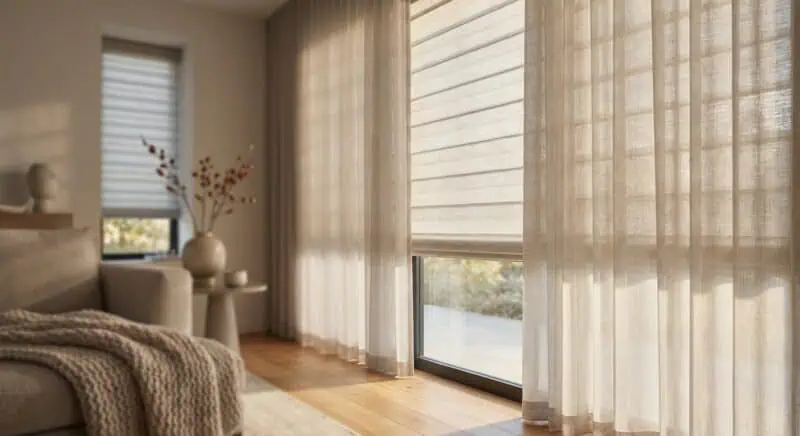
Sheer shades, often recognized for their elegant and delicate appearance, are designed to diffuse natural light rather than block it entirely. They typically consist of soft, translucent fabric that allows light to filter into the room, creating a bright and airy ambiance. This makes them a sophisticated choice for living areas and spaces where a soft glow is preferred.
Unlike roller blinds, sheer shades often incorporate adjustable vanes or slats within the fabric, similar to vertical blinds, allowing for precise control over light direction and intensity. This unique feature enables you to balance incoming light with privacy needs, a key consideration for many homeowners. For those interested in contemporary window treatments, exploring Roman shades can offer another stylish alternative.
The aesthetic appeal of sheer shades is undeniable, adding a touch of softness and refinement to any interior. They are particularly effective in spaces aiming for a light and airy feel, contributing to a serene atmosphere. Consider how different window treatments can complement various styles by reading our guide on interior design trends for window treatments, and discover which might suit your rooms best with our advice on choosing the right window treatments for different rooms for more. If you’re considering a DIY approach to window treatments, you might find our tutorial on how to remove Bali blinds helpful.
Comparing Light Control: Roller Blinds vs. Sheer Shades
When comparing roller blinds vs sheer shades light control privacy, the differences in their primary function become apparent. Roller blinds excel at offering a spectrum of light control, from gentle filtering to complete blackout, depending on the fabric chosen. Their solid fabric construction provides a consistent barrier, making them predictable in how they manage light throughout the day.
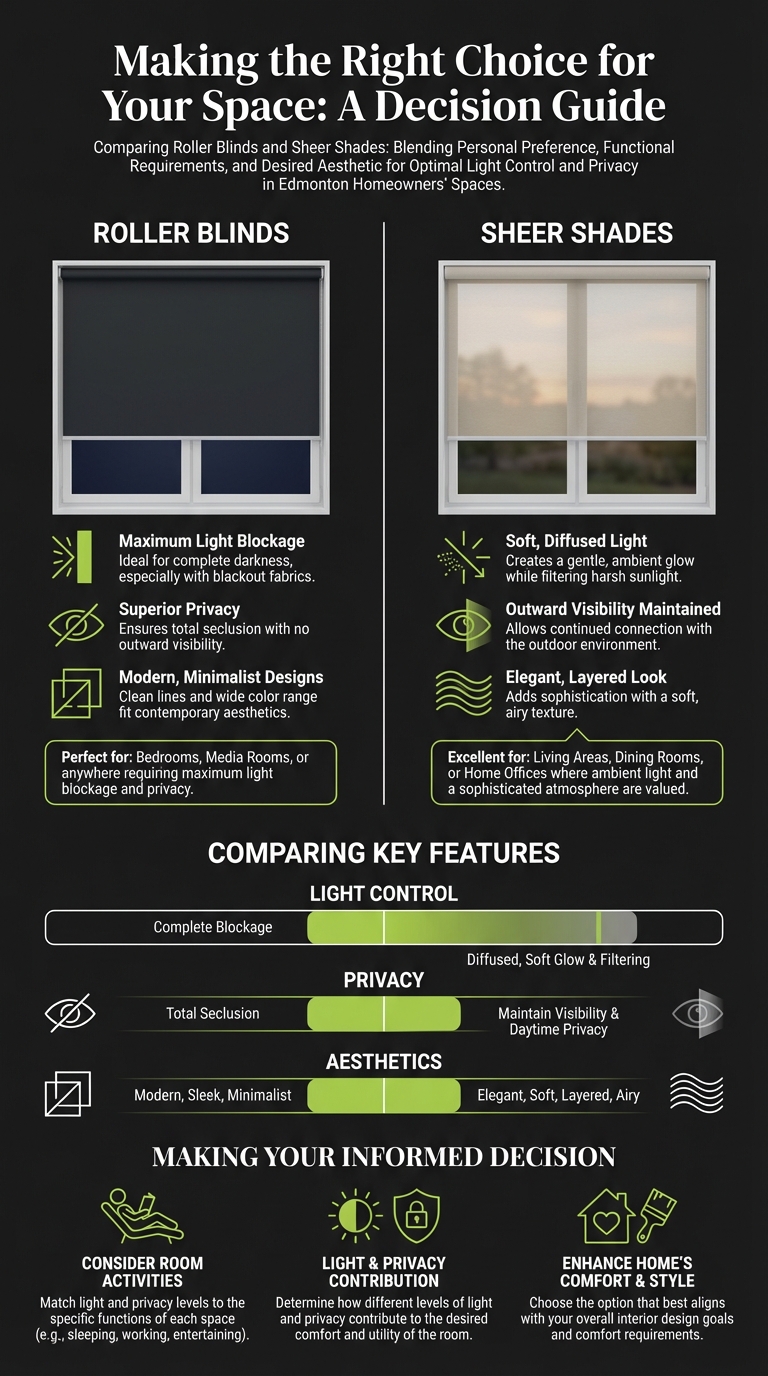
Sheer shades, by contrast, are designed primarily for light diffusion. They allow natural light to enter the room while softening its intensity, reducing glare, and creating a pleasant ambiance. While they offer some reduction in direct sunlight, they do not provide the same level of darkness as blackout roller blinds. This characteristic is valuable for spaces where natural light is highly desired, such as sunrooms or home offices. To better understand light management, consult our guide on how to maximize natural light for more. For more on specific types, explore our designer roller shades.
The choice between the two often hinges on the desired light outcome. If complete darkness or significant light blocking is a priority, roller blinds are typically the superior option. However, if the goal is to maintain a bright, airy feel while still managing glare, sheer shades offer a more elegant solution. For a deeper dive into different light-filtering options, see our comparison of light-filtering vs. blackout blinds for more. Additionally, explore how smart home technology can enhance light control with our insights on smart home automation for blinds for more.
| Feature | Roller Blinds | Sheer Shades |
|---|---|---|
| Light Blocking | Excellent (especially blackout fabrics) | Minimal to moderate diffusion |
| Light Filtering | Variable, depends on fabric opacity | Primary function; softens and diffuses light |
| Glare Reduction | Effective with appropriate fabric | Very effective due to diffusion |
| Ambient Light | Can block completely or filter | Maintains ambient light while reducing harshness |
Comparing Privacy Levels: Roller Blinds vs. Sheer Shades
When considering privacy, both roller blinds and sheer shades offer distinct advantages. Roller blinds can provide complete privacy, especially when fully lowered and made with opaque fabrics. Sheer shades, while offering less absolute privacy, diffuse light and obscure direct views, contributing to a softer, more private atmosphere. For specific options that enhance privacy, explore privacy light top-down bottom-up blinds for more.
When considering roller blinds vs sheer shades light control privacy, the differences in privacy provision are a critical factor. Roller blinds, particularly those made from opaque or blackout fabrics, offer a high level of privacy. When fully lowered, they create a solid barrier, preventing outsiders from seeing into the room, which is essential for bedrooms and bathrooms.
Sheer shades provide a more nuanced level of privacy. While they obscure the direct view into a room during the day by diffusing light, they offer less privacy at night, especially when interior lights are on. This is because their translucent nature allows some visibility from the outside once it’s dark. To enhance privacy, many homeowners opt for layering sheer shades with heavier drapes or curtains, a strategy detailed in our privacy light top down bottom up blinds guide.
The level of privacy you require will largely dictate which option is best suited for your needs. For absolute privacy, especially in areas like bathrooms or bedrooms, roller blinds with blackout capabilities are often the preferred choice. However, if a softer, daytime privacy is sufficient, and you value the aesthetic of diffused light, sheer shades can be a suitable option. Understanding home security measures related to window treatments is also important, as discussed in our home security tips for more. For more information on achieving optimal privacy, consider exploring our guide to top-down bottom-up blinds.
- Roller Blinds: Generally offer superior privacy due to their solid fabric construction, especially in blackout or room-darkening opacities. They provide a complete visual barrier when closed.
- Sheer Shades: Offer daytime privacy by obscuring direct views and softening light. However, they provide less privacy at night when interior lights are on, making them ideal for layered treatments or rooms where full privacy is not the primary concern.
- Layering: Combining sheer shades with heavier curtains or drapes is a common method to achieve both light diffusion during the day and complete privacy at night.
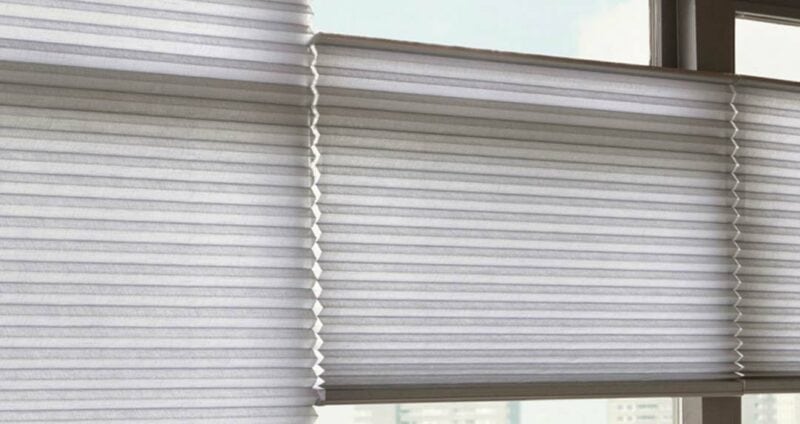
- Adjustable Vanes (Sheer Shades): Some sheer shades feature adjustable vanes, similar to horizontal blinds, which can offer more directional privacy control by tilting the vanes.
Aesthetic and Design Preferences
The overall look and feel of your space are also important. Roller blinds offer a clean, minimalist aesthetic that can complement modern decor, while sheer shades provide a softer, more elegant appearance, ideal for traditional or transitional styles. Consider how the window treatments will integrate with your existing furniture and color schemes. For a wide range of stylish options, explore the various modern window treatments available to enhance your home’s ambiance.
Aesthetics play a vital role in selecting window treatments, as they significantly impact the overall look and feel of a room. Roller blinds offer a clean, minimalist appearance and come in a vast range of colors, patterns, and textures to complement any decor. Sheer shades, on the other hand, provide a soft, elegant, and airy aesthetic, adding a layer of sophistication. Exploring interior design inspiration for your windows can help visualize how each type might fit your style.
Operation and Functionality
The operational ease and specific functionalities of window treatments are also important considerations. Roller blinds are known for their simple up-and-down operation, often available in manual or motorized versions for added convenience. Sheer shades, with their adjustable vanes, offer a more versatile light and view management system, allowing for finer control over the environment. For those interested in modern conveniences, our guide to motorized blinds can detail various operational features.
Budget and Maintenance
Cost and maintenance are practical aspects that influence the final decision. Generally, basic roller blinds can be more budget-friendly than sheer shades, though prices vary widely based on fabric, features, and customization. Both types are relatively easy to maintain, but the specific cleaning methods will depend on the material. For insights into pricing, our cost of window blinds and shades article can provide a helpful overview. Additionally, consider the convenience of motorized options, which offer effortless control through smart living technology.
Benefits of Professional Installation
While DIY installation might seem appealing for roller blinds vs sheer shades light control privacy, professional installation offers significant advantages. Our team has extensive experience installing hundreds of systems in the local area, and we’ve found that proper alignment ensures optimal light control and privacy for homeowners. Professional installers possess the expertise and tools to ensure your window treatments are fitted perfectly, maximizing their functionality and aesthetic appeal. For example, consider the benefits of motorized blinds for effortless operation.
Incorrect installation can lead to operational issues, uneven light blocking, and a compromised look. Professionals ensure that blinds and shades are mounted securely and operate smoothly, preventing common problems like fabric bunching or cords becoming tangled. This attention to detail not only enhances performance but also prolongs the lifespan of your window treatments, making it a worthwhile investment for your home.
Choosing professional installation means peace of mind, knowing that your window treatments are installed correctly and will perform as intended. For expert fitting and reliable service, consider our installation services for more. We are committed to ensuring a perfect fit, which you can learn more about in our guide on ensuring a perfect fit. If you have any questions or wish to schedule a consultation, please feel free to contact us for more.
Styles and Customization Options
Both roller blinds and sheer shades offer a remarkable degree of customization, allowing them to be tailored to your specific design preferences and functional needs. The ability to personalize these window treatments ensures they not only perform their intended function but also enhance your home’s overall aesthetic. When considering roller blinds vs sheer shades light control privacy, customization is key to achieving the perfect balance.
The range of choices available means you can select materials, colors, and operating systems that perfectly match your interior design vision. Whether you prefer a sleek, modern look or a softer, more traditional feel, there are options to suit every taste. For those seeking advanced functionality, motorized options provide unparalleled convenience, and you can explore the benefits of smart living motorized blinds for effortless control.
Here are some of the key customization options available for both roller blinds and sheer shades:
- Fabric Choices: Select from a wide array of materials, including various opacities (light-filtering, room-darkening, blackout), textures, colors, and patterns to match your decor.
- Cordless Operation: Opt for cordless mechanisms for a cleaner look and enhanced child and pet safety, a feature available for many roller blinds and some sheer shades. For more on this, see our guide to child safety first for more.
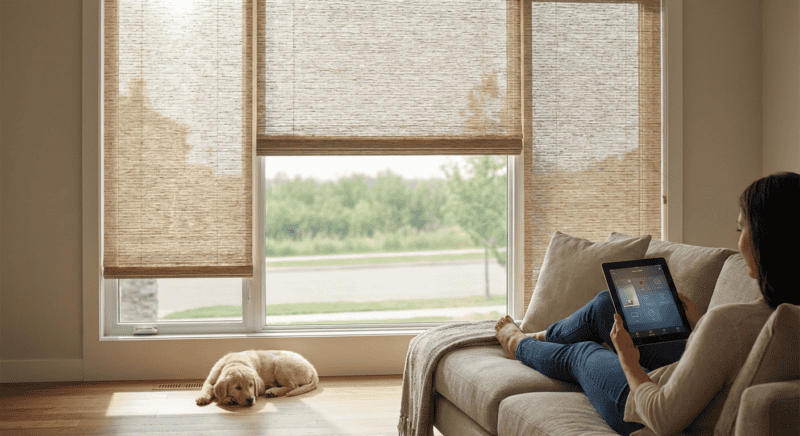
- Motorized Control: Upgrade to motorized blinds for effortless operation via remote control, smartphone app, or smart home integration, enhancing convenience and accessibility.
- Decorative Trims and Hardware: Personalize the look further with options for decorative bottom hems, trims, and stylish hardware finishes to complement your interior design.
Exploring different fabric collections can help you find the perfect material for your needs, as detailed in our guide on fabric collections for window treatments for more. For those interested in automated solutions, our section on motorized blinds covers the latest in smart window coverings. Understanding how window treatments integrate with various design styles is also beneficial, which you can explore in our article on interior design styles and window treatments for more.
Maintaining Your Window Treatments
Proper maintenance is essential to ensure the longevity and aesthetic appeal of your roller blinds and sheer shades. Understanding how to clean and care for these window treatments will help preserve their appearance and functionality over time. Regular care ensures that your window coverings continue to provide effective light control and privacy for years to come.
The cleaning methods will vary depending on the material and type of window treatment. For instance, roller blinds might require dusting or spot cleaning, while sheer shades may need more delicate handling. Following the manufacturer’s recommendations or consulting expert advice can prevent damage and keep your blinds and shades looking their best. For practical tips, our guide on how to clean your blinds offers valuable insights.
Investigating the durability of window treatment materials can also inform your maintenance routine and long-term choices, as discussed in our article on durability of window treatment materials for more. By implementing consistent care, you can maintain the effectiveness of your window coverings in managing light and privacy. Further tips can be found in our comprehensive window treatment care tips, and for common issues, consult our blind repair guide for more.
Making Your Final Decision
Ultimately, the choice between roller blinds and sheer shades depends on your specific priorities regarding light control, privacy, aesthetics, and budget. By carefully considering the unique characteristics of each, you can select the window treatments that best enhance your living space and meet your household’s needs. Whether you lean towards the solid dependability of roller blinds or the elegant diffusion of sheer shades, the goal is to create a comfortable and stylish environment.
If complete darkness and robust privacy are your primary concerns, roller blinds are likely the most suitable option. However, if you value the infusion of natural light and a softer, more ambient feel, sheer shades offer a sophisticated solution. Don’t hesitate to reach out to our experts for personalized guidance to ensure you make the best choice for your home. You can schedule a consultation through our contact page to discuss options like Alta roller shades for more.
To explore further options and discover the perfect window treatments, consider requesting a free quote for more. Our range of services is designed to help you achieve the ideal balance of light, privacy, and style for every room. Understanding the differences in roller blinds vs sheer shades light control privacy is the first step toward achieving your desired home ambiance. For instance, if you’re interested in advanced control, explore our guide to smart living motorized blinds.