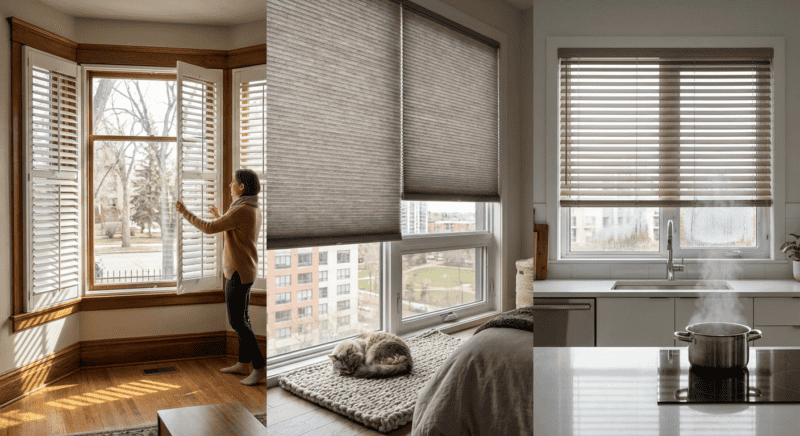


Understanding Blinds and Insulation
Window treatments play a significant role in a home's overall insulation strategy. By strategically utilizing blinds and shades, homeowners can effectively manage indoor temperatures, leading to greater comfort and reduced energy expenses. This is achieved through the creation of an insulating barrier that minimizes heat transfer between the indoor environment and the outside world, making them a valuable component of a well-insulated home. Exploring the science behind how these coverings work can unlock significant savings and enhance your living space.
The effectiveness of window treatments in managing temperature is well-documented. They act as a buffer against both the summer sun's heat gain and winter's heat loss. This thermal regulation contributes not only to a more comfortable living environment but also to lower utility bills by reducing the workload on your heating and cooling systems. Understanding these benefits is the first step toward leveraging your window coverings for maximum energy efficiency.
By choosing the right window treatments, you can significantly improve your home's insulation performance. This guide will delve into the various types of blinds and shades that offer superior insulating qualities, explore how they work, and provide tips for maximizing their energy-saving potential. Investing in energy-efficient window coverings is a smart choice for both your wallet and your home's comfort.
Top Blinds for Insulation. Cellular & Honeycomb Shades
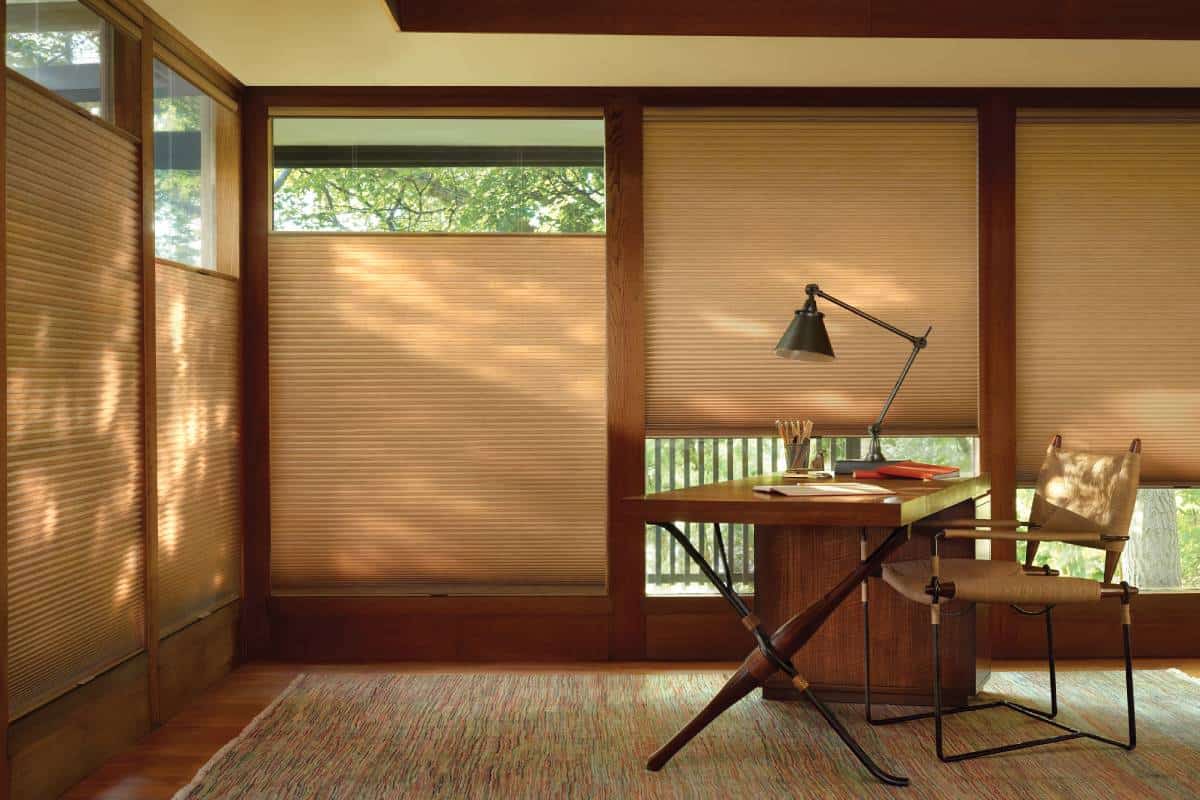
Cellular and honeycomb shades are widely recognized as premier choices for home insulation due to their unique construction. Their innovative design, featuring hexagonal air pockets, traps air effectively, creating a superior thermal barrier. This structure significantly reduces heat transfer, keeping homes cooler in the summer and warmer in the winter, which directly translates to lower energy bills and enhanced comfort throughout the year. Exploring these options can lead to substantial improvements in your home's energy efficiency.
The science behind honeycomb shades is their ability to create multiple layers of insulation. Each cell acts as a tiny pocket of trapped air, significantly hindering the flow of heat. This makes them exceptionally effective at preventing heat from escaping during colder months and radiating into the home during warmer months. Discovering the advantages of these shades can lead to a more comfortable and cost-effective home environment.
The Science Behind Honeycomb Shade Insulation
Honeycomb shades, also known as cellular shades, are engineered with a unique cellular structure that excels at trapping air. This trapped air acts as an insulating layer, dramatically reducing the rate at which heat can transfer through the window. Their design can significantly mitigate heat loss in the winter and heat gain in the summer, making them one of the most energy-efficient window treatments available. Understanding this mechanism highlights why they are a top choice for homeowners seeking to improve their home's thermal performance and reduce energy consumption. You can learn more about maximizing energy savings with such treatments.
Benefits of Cellular Shades for Energy Efficiency
The primary benefit of cellular shades lies in their exceptional insulating properties. They create a barrier that significantly reduces heat transfer, leading to more stable indoor temperatures and lower energy bills. Beyond their thermal performance, cellular shades offer excellent light control, privacy, and are available in a wide array of colors and opacities to complement any decor. For those interested in specific styles, a comparison between Roman shades and cellular shades for insulation can offer further insights.
Here are some key advantages of cellular shades for energy efficiency-
- Traps air in honeycomb-like cells to create a superior insulating barrier.
- Reduces heat loss during colder months, keeping your home warmer.
- Minimizes heat gain during warmer months, keeping your home cooler.
- Contributes to significant energy savings on heating and cooling costs.
- Available in single, double, and triple cell constructions for enhanced insulation.
Comparing Cellular Shade Insulation Performance
When selecting cellular shades for insulation, understanding the differences between single, double, and triple-cell constructions is key. Single-cell shades offer a good baseline of insulation, while double-cell shades provide enhanced thermal performance. Triple-cell shades offer the highest level of insulation, making them the best choice for extreme climates or for homeowners prioritizing maximum energy savings. For those interested in comparing different types of window coverings, exploring resources on energy efficient blinds can provide a broader perspective.
| Shade Type | Insulation Effectiveness | Best Use Case |
|---|---|---|
| Single Cell | Good | Moderate climates, basic insulation needs |
| Double Cell | Better | Colder climates, improved energy savings |
| Triple Cell | Best | Extreme climates, maximum energy efficiency |
Other Insulating Window Treatments
While cellular and honeycomb shades are frontrunners, other window treatments can also contribute significantly to a home's insulation. Properly selected thermal curtains, for instance, can provide a substantial thermal barrier. These curtains are often made with thicker fabrics and specialized linings designed to block drafts and insulate against temperature fluctuations. Similarly, shutters, with their solid construction and ability to seal tightly against window frames, offer excellent insulation properties.
Layering window treatments is another effective strategy for maximizing insulation. Combining different types of coverings, such as blinds with drapes, can create multiple air pockets that enhance the insulating effect. This approach allows for versatility in managing light, privacy, and temperature simultaneously. For homeowners looking to upgrade their window treatments, understanding the various options available for maximizing energy savings is crucial.
To maximize insulation with your window treatments, consider the following layering approach-
- Start with an insulating blind or shade, like cellular shades, for a primary thermal barrier.
- Add a layer of heavy, insulated curtains over the blinds for an extra cushion of trapped air.
- Ensure treatments fit snugly within or over the window frame to minimize air leaks.
- Utilize the treatments effectively by closing them during peak sun hours in summer and at night during winter.
How Blinds Improve Energy Efficiency
Blinds contribute to energy efficiency primarily by reducing heat transfer. During winter, they act as an insulating barrier, trapping a layer of air between the blind and the windowpane, which slows down the escape of warm indoor air. Conversely, in the summer, blinds can block a significant portion of solar heat gain, preventing excessive heat from entering the home. This dual functionality helps maintain a more comfortable interior temperature year-round, thereby reducing the reliance on heating and cooling systems. This is a key aspect of energy efficient blinds.
The mechanisms by which blinds achieve this insulation are varied and depend on the material and design. Tightly woven fabrics, cellular structures, and close-fitting frames all play a role in minimizing air movement and heat exchange. Having worked with local homeowners for over a decade, we've seen firsthand how properly chosen blinds insulation can significantly lower heating and cooling bills in the regional area. Furthermore, smart window treatments, such as those with PowerView automation, can further optimize energy efficiency by automatically adjusting based on the sun's position or programmed schedules.
Here are several ways blinds contribute to improved energy efficiency-
- Reducing Heat Transfer By trapping air, blinds create a barrier against heat loss in winter and heat gain in summer.
- Blocking Solar Radiation Many blinds are designed to reflect or absorb sunlight, preventing it from heating up your home.
- Minimizing Air Leaks Properly fitted blinds can help seal minor gaps around window frames, reducing drafts.
- Optimizing Natural Light Smart blinds can be programmed to let in natural light when beneficial for warmth and to block it when it causes overheating.
Tips for Maximizing Insulation with Blinds
To truly harness the insulating potential of your blinds, several key considerations are crucial. The first is ensuring a proper fit. A snug fit around the window frame is paramount to minimize air gaps and maximize the insulating effect. Gaps can allow conditioned air to escape or outside air to infiltrate, undermining the blind's ability to insulate effectively.
Beyond fit, consider the material and construction of your blinds. For maximum insulation, opt for materials with inherent thermal properties, such as cellular shades or blinds with thicker, light-blocking fabrics. Regular maintenance also plays a role; keeping blinds clean ensures they function optimally and aren't hindered by dust or debris. For those interested in specific product benefits, exploring guides on energy efficient blinds can provide further value.
Ensure a snug fit around the window frame to minimize air gaps and maximize the insulating effect.
Choosing the Right Blinds for Your Needs
Selecting the ideal blinds for insulation involves evaluating several factors tailored to your specific home and climate. The construction of the blind is paramount; cellular or honeycomb shades are generally superior due to their trapped air pockets. Consider the number of cells per inch, as more cells typically mean better insulation. The material of the blind also matters, with thicker fabrics and specialized thermal linings offering enhanced performance.
Beyond the blind itself, think about the installation and fit. Blinds that fit closely to the window frame, minimizing gaps, will offer the best insulation. Furthermore, consider features like motorized operation, which can allow for automated adjustments to optimize insulation throughout the day, helping you save on energy costs. For a broader understanding of available options, reviewing guides on maximizing energy savings can be very beneficial.
Here are key factors to consider when selecting blinds for insulation-
- Construction Type. Cellular/honeycomb designs offer superior insulation.
- Material. Thicker fabrics and specialized linings enhance thermal properties.
- Fit and Seal. Blinds that fit tightly minimize air leaks.
- Cell Count. For cellular shades, a higher cell count generally means better insulation.
- Color and Opacity. Lighter colors can reflect more solar heat in the summer.
Conclusion. Enhance Your Home's Comfort
Ultimately, window treatments are a powerful, often overlooked tool for enhancing your home's insulation and overall comfort. By understanding the insulating capabilities of various blind types, particularly cellular and honeycomb shades, and by implementing smart choices regarding fit and layering, homeowners can significantly reduce energy consumption and create a more pleasant living environment year-round. Investing in energy-efficient window coverings is a practical step towards a more sustainable and cost-effective home.
We encourage you to explore the range of energy efficient blinds and other window treatments that can transform your home's thermal performance. Our experienced team is ready to provide expert advice and personalized solutions to meet your specific needs. Consider learning more about Roman shades vs. cellular shades or simply reach out to us for a consultation to discover how the right window coverings can make a tangible difference in your home's comfort and your utility bills.
Frequently Asked Questions About Blinds Insulation
| Question | Helpful Answer |
|---|---|
| Can all blinds provide insulation? | While many blinds offer some level of insulation, cellular and honeycomb shades are specifically designed for superior thermal performance due to their unique air-trapping construction. Other types like Roman shades and certain roller shades can also offer good insulation when made with thicker, insulating materials. |
| How do cellular shades help insulate a home? | Cellular shades trap air within their honeycomb-shaped cells. This trapped air acts as a barrier, significantly reducing heat transfer through the window, keeping your home warmer in winter and cooler in summer. |
| What is the best type of blind for maximum insulation? | Cellular or honeycomb shades, particularly those with double or triple cell construction, are generally considered the best for maximum insulation. They create multiple air pockets that are highly effective at preventing heat loss and gain. |
| How does the color of blinds affect insulation? | Lighter-colored blinds tend to reflect more solar heat, which can be beneficial during warmer months to reduce heat gain. Darker colors may absorb more heat, which can be advantageous in winter to help warm the room, but can also increase heat gain in summer if not managed properly. |
| Can layering window treatments improve insulation? | Yes, layering window treatments can significantly enhance insulation. For example, combining cellular shades with heavy drapes creates multiple air pockets, further reducing heat transfer and improving your home's energy efficiency. |