



Understanding Smart Blind Systems
When comparing Powerview vs Somfy, it’s important to first understand the broader category of smart blind systems. These innovative technologies allow for automated control of window treatments, enhancing convenience, energy efficiency, and security in modern homes. They integrate seamlessly with various smart home platforms, offering a sophisticated approach to light management and privacy.
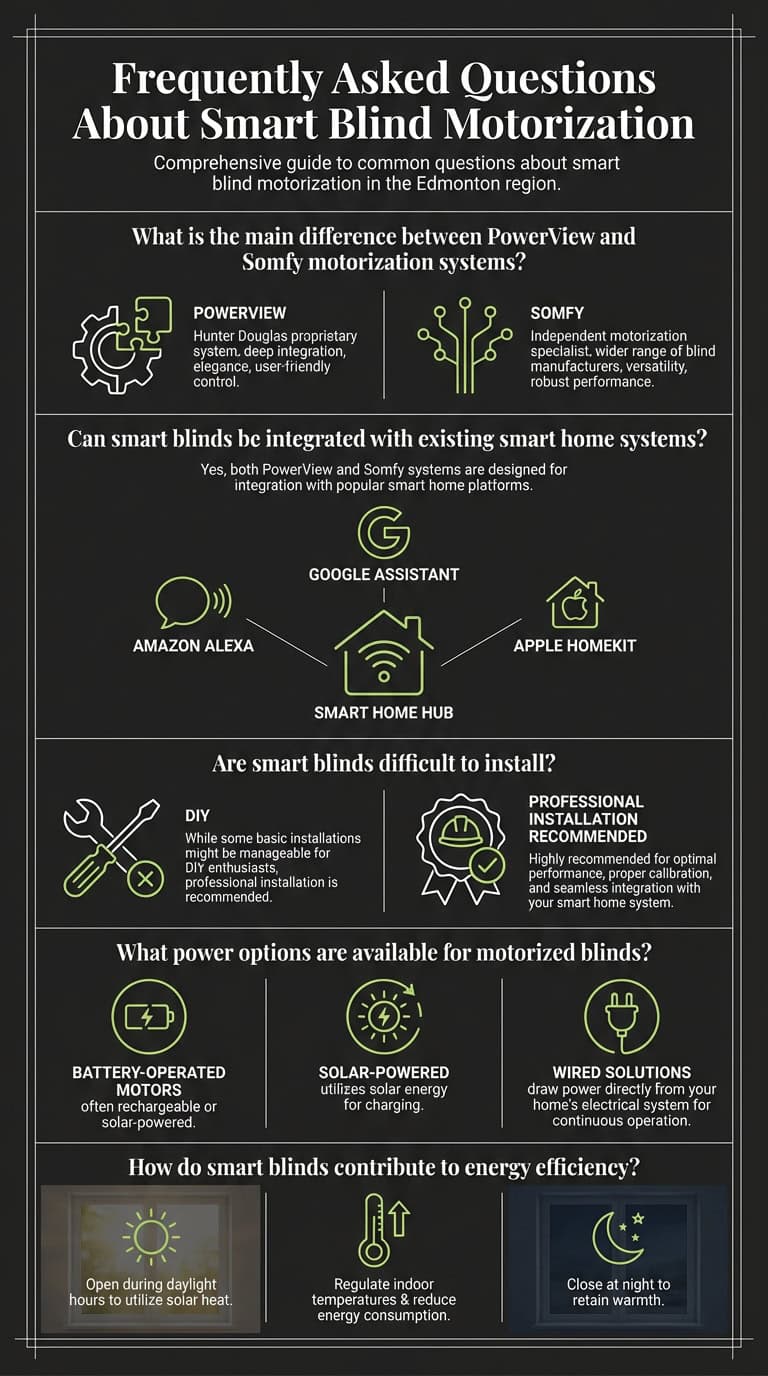
Smart blinds operate through motorized mechanisms, which can be controlled via remote, smartphone apps, or voice commands. They often include features like scheduling, scene creation, and sensor integration, enabling window coverings to adjust automatically based on time of day, sunlight levels, or room occupancy. This level of automation transforms traditional window treatments into dynamic elements of a smart living space.
The core benefit of these systems lies in their ability to simplify daily routines and optimize indoor environments. By providing precise control over natural light and privacy, smart blinds contribute to a more comfortable and energy-efficient home. This foundation is crucial for appreciating the distinct advantages offered by both Powerview and Somfy systems. For more information on smart home automation, explore our guide to motorized blinds for more.
What is the Powerview System?
The PowerView system is a sophisticated motorization platform developed by Hunter Douglas, a leading name in window treatments. It brings convenience and automation to your blinds and shades, allowing for precise control and scheduling. When comparing Powerview vs Somfy, understanding the core features of each system is essential.
PowerView Motorization offers seamless integration with various smart home ecosystems, enhancing the overall functionality of your living space. This system utilizes a proprietary communication protocol to ensure reliable operation of motorized window coverings. For more details on smart home automation, explore our smart living motorized blinds guide for more.
Key features of the PowerView system include:
- Precise Control: Adjust shades to exact positions using a remote, app, or voice commands.
- Customizable Scenes: Create personalized settings for different times of day or activities. For instance, a “Good Morning” scene might open shades to 50% in the bedroom.
- Scheduling: Program shades to move automatically throughout the day, optimizing light, privacy, and energy efficiency.
- Smart Home Integration: Connects with popular smart home systems for a unified experience.
- PowerView App: A user-friendly mobile application for easy setup and control from anywhere.
The technology behind PowerView focuses on a robust and secure communication network, ensuring that commands are executed accurately and consistently. This makes the system highly reliable for daily use, a crucial factor when evaluating Powerview vs Somfy for long-term satisfaction. For professional installation, consider consulting a blinds curtains installer.
What is the Somfy System?
The Somfy system stands as a prominent competitor in the smart blind market, offering robust motorization solutions for various window treatments. Somfy, a French company with over 50 years of experience, specializes in motors and automation for homes and buildings. When considering powerview vs somfy, understanding Somfy’s approach to smart blinds is crucial for making an informed decision.
Somfy provides a versatile range of motors and control options designed to automate blinds, shades, and even exterior awnings or pergolas. Their systems are known for their reliability and broad compatibility with different types of window coverings, including those from the best roller blind brands. This flexibility makes Somfy an attractive option for homeowners seeking comprehensive automation solutions.
Somfy’s Core Functionalities
Somfy smart blinds offer a variety of functionalities that enhance daily living and energy efficiency. These systems are built around user convenience and integration with modern smart home ecosystems. For more information on smart home automation, check out our guide to motorized blinds, or learn about common issues with blinds replacement parts.
- Motorized Operation: Somfy motors can be integrated into virtually any type of blind or shade, allowing for smooth and quiet operation with the touch of a button or through automated schedules.
- Remote Control Options: Users can control their blinds using a variety of remote controls, from simple single-channel remotes to multi-channel devices capable of managing multiple window treatments individually or in groups.
- App Control: Through the Tahoma or Connexoon hubs, Somfy blinds can be controlled via a smartphone app, providing access to scheduling, scene creation, and remote operation from anywhere.
- Sensor Integration: Somfy systems can incorporate sensors for sun, wind, or temperature, allowing blinds to adjust automatically based on environmental conditions. This helps in maintaining indoor comfort and reducing energy consumption.
- Voice Control: Compatibility with popular voice assistants enables hands-free control, adding another layer of convenience to the smart home experience.
Unique Selling Points of Somfy
Several aspects set the Somfy system apart in the smart blind landscape. These unique features often play a significant role when homeowners compare powerview vs somfy for their specific needs. For a comprehensive overview of smart home automation, explore our motorized blinds guide.
Somfy’s broad range of motor types, including both wired and battery-powered options, provides solutions for nearly any installation scenario. Their commitment to open protocols and integration capabilities ensures that Somfy products can fit seamlessly into diverse smart home environments. Furthermore, Somfy places a strong emphasis on durability and long-term performance, offering robust motors designed for extended use. For those interested in the benefits of automated window treatments, our guide to motorized blinds offers comprehensive insights.
Operational Mechanisms
The operational backbone of the Somfy system typically involves motors, a control hub, and various input devices. Here’s a basic overview of how it works:
- Motor Installation: Somfy motors are integrated directly into the window treatment hardware, providing the power to raise, lower, or tilt the blinds.
- Control Hub Connection: For advanced features like app control, scheduling, and smart home integration, a central hub like Somfy Tahoma Switch is used. This hub connects the motors to your home network and the internet.
- Remote & App Interaction: Commands are sent wirelessly from remote controls or the smartphone app to the motors, either directly (for basic setups) or through the control hub.
- Automation & Sensors: Schedules and scene settings are programmed via the app, while optional sensors provide real-time data to trigger automatic adjustments of the blinds.
Integration with Smart Home Ecosystems
Compatibility with existing smart home setups is a significant factor in deciding between Powerview vs Somfy. Each system has its strengths regarding how it connects with other smart devices and platforms.
- Powerview:
- Primarily integrates with major smart home platforms such as Apple HomeKit, Amazon Alexa, and Google Assistant.
- Designed to work seamlessly within the Hunter Douglas ecosystem, offering optimized performance for their window treatments.
Somfy often provides a more universal integration experience due to its use of more open standards and protocols. For a deeper dive into smart home automation, explore our guide to smart living with motorized blinds. If you’re also interested in maintenance, learn about cleaning faux wood blinds.
- Somfy:
- Compatible with a vast range of smart home systems, including IFTTT, Samsung SmartThings, and many others, in addition to the major voice assistants.
- Its flexibility makes it a strong contender for homes with diverse smart devices from various manufacturers.
Motor Technology and Noise Levels
The performance and quietness of the motors are crucial for daily comfort. The choice between Powerview vs Somfy can significantly impact the ambiance of your living spaces. For those interested in the specifics of Hunter Douglas systems, our Hunter Douglas shades guide offers comprehensive details.
- Powerview:
- Hunter Douglas PowerView motors are renowned for their quiet operation, a key selling point for a luxurious home environment.
- The precision engineering ensures smooth and consistent movement of the window treatments.
Somfy also offers high-quality motors, with some series specifically designed for ultra-quiet performance.
- Somfy:
- Somfy’s Sonesse range is specifically engineered for silent operation, rivaling the quietness of Powerview motors.
- They offer a variety of motor types, including wired and battery-powered options, catering to different installation needs and preferences.
Features and Functionality Comparison
When comparing Powerview vs Somfy, a detailed look at their features and functionalities is essential for making an informed decision. Both systems offer robust solutions for motorized window treatments, but they approach smart home integration and user experience differently. For a deeper dive into smart home options, explore our guide to smart motorized blinds and their benefits.
Hunter Douglas PowerView excels with its intuitive app interface and advanced scheduling capabilities, allowing users to program scenes that adjust blinds automatically throughout the day. Somfy, on the other hand, is known for its wide compatibility with various motor types and smart home ecosystems, offering flexibility for different blind styles and integration needs. For more on smart home integration, explore our smart living motorized blinds guide.
To help you better understand the nuances, here is a breakdown of key features:
| Feature | Hunter Douglas PowerView | Somfy |
|---|---|---|
| Control Options | Pebble Remote, PowerView App, Voice Control (Alexa, Google Assistant, Apple HomeKit) | Tahoma Switch, Situo Remote, Somfy App, Voice Control (Alexa, Google Assistant), HomeKit (via Tahoma) |
| Scene Creation & Scheduling | Advanced scene creation, daily/weekly scheduling, sun tracking | Customizable scenes, scheduling, “MyLink” for advanced scheduling |
| Motor Types Supported | Proprietary PowerView motors for Hunter Douglas products | Broad compatibility with RTS, Zigbee, and Z-Wave motors, fitting various blind manufacturers |
| Power Source | Battery-powered (AA or C), plug-in, or hardwired options | Battery-powered, plug-in, and hardwired options; some solar options available |
| Integration | Strong integration with Apple HomeKit, Control4, Crestron, Savant, Google Assistant, Amazon Alexa | Extensive compatibility with over 300 smart home platforms including Alexa, Google Assistant, IFTTT, and broader Z-Wave/Zigbee support |
| Feedback & Status | Two-way communication for real-time blind status in app | Two-way communication for motor status (with Tahoma hub) |
| Ease of Use | Highly user-friendly app and remote | Intuitive app, but system setup can be more complex due to wider compatibility, which is why many opt for professional blind installation services for more. |
The choice between Powerview vs Somfy often comes down to specific priorities, such as ease of integration with existing smart home devices or the breadth of blind types you wish to motorize. Both systems are reliable and offer significant enhancements to home automation.
Installation and Integration
The installation and integration processes are crucial factors when deciding between smart blind systems like Powerview vs Somfy. Both systems aim for user-friendliness, but their approaches can differ, influencing the overall setup experience.
Understanding the general steps involved in installing smart blinds can help you anticipate the effort and technical knowledge required for each system. These steps typically cover everything from physical mounting to digital setup and integration with smart home ecosystems. For those considering a DIY approach, a blinds installer guide can provide valuable insights.
- Measure and Prepare: Accurate measurements of your windows are essential before ordering any smart blinds. Once received, ensure all components are present and prepare your window area by clearing any obstructions.
- Mount the Blinds: Follow the manufacturer’s instructions for physically mounting the blinds. This usually involves installing brackets and securing the headrail. Ensure the blinds are level and securely fastened for optimal operation.
- Install Motors and Power: If not pre-installed, insert the motors into the blind mechanism. Connect the power source, whether it’s battery packs, solar panels, or a hardwired connection.
- Connect to Hub/Bridge: For systems like Powerview vs Somfy, a central hub or bridge is often required to facilitate communication between the blinds and your smart home network. Connect this device to your home Wi-Fi and power.
- Pair Blinds with Hub: Use the dedicated app provided by Powerview or Somfy to pair each blind with its respective hub. This typically involves a simple button press on the motor and following on-screen prompts in the app.
- Configure Settings and Scenes: Once paired, customize your blinds’ settings within the app. Set open and close limits, create schedules, and group blinds into “scenes” for simultaneous control.
- Integrate with Smart Home System: Finally, integrate your smart blind system with your preferred smart home platform (e.g., Apple HomeKit, Google Home, Amazon Alexa). This allows for voice control and advanced automation with other smart devices, as detailed in our motorized blinds guide.
Hunter Douglas PowerView Motorization is designed to work with several leading smart home platforms, offering convenience and centralized control. Its bridge acts as a hub, translating commands between your smart devices and the shades. Learn more about Powerview automation for effortless smart home control.
- Apple HomeKit: Integrate PowerView shades into your Apple ecosystem for control via Siri, the Home app, and automation with other HomeKit accessories.
- Amazon Alexa: Use voice commands through Amazon Echo devices to operate your PowerView motorized blinds and shades.
- Google Assistant: Control your PowerView system using Google Home speakers and other Google Assistant-enabled devices.
- Control4: For more advanced home automation systems, PowerView offers integration with Control4 for comprehensive smart home management.
- Crestron: Similarly, Crestron systems can incorporate PowerView shades for sophisticated whole-home control.
Somfy Compatibility
Somfy provides a broad range of integration options, thanks to its diverse motorization technologies (RTS, Z-Wave, and TaHoma). This flexibility allows Somfy to connect with numerous smart home hubs and protocols, making it a versatile choice for many households. Learn more about smart living with motorized blinds and their benefits.
- Amazon Alexa: Enjoy voice control over your Somfy-powered window treatments using any Amazon Alexa device.
- Google Assistant: Manage your Somfy shades with Google Assistant commands through compatible smart speakers and displays.
- IFTTT (If This Then That): Create custom automation recipes and connect Somfy with a wide array of other smart devices and services.
- Samsung SmartThings: Integrate Somfy Z-Wave motors into your SmartThings hub for unified control and automation.
- Conexoon & TaHoma: Somfy’s proprietary hubs, Conexoon and TaHoma, serve as central control points, offering broad compatibility with various Somfy products and external partners.
- KNX: For advanced building management systems, Somfy offers solutions compatible with the KNX standard.
Choosing the Right System for Your Home
Selecting the ideal smart blind system, whether it’s Powerview vs Somfy, involves evaluating your specific household requirements and lifestyle preferences. Both systems offer advanced motorization, but their strengths cater to different user priorities.
Our experience serving homeowners has shown that a tailored approach leads to the most satisfaction. Consider factors like your existing smart home ecosystem, the types of window treatments you have, and your budget.
Here are key considerations to guide your decision:
For those interested in integrating smart home technology, exploring smart living motorized blinds can offer convenience and energy efficiency.
- Smart Home Integration: If you already use a specific smart home platform (e.g., Apple HomeKit, Google Home, Amazon Alexa), check which system offers the most seamless integration. Powerview often integrates well with Hunter Douglas products, while Somfy has broader compatibility with various third-party systems.
- Window Treatment Variety: Think about the range of blinds, shades, and drapes you plan to motorize. Some systems are optimized for specific types of window coverings, and you can learn more about different types in our modern window treatments guide.
- Control Preferences: Decide how you prefer to control your blinds—via an app, remote control, voice commands, or automated schedules. Both Powerview and Somfy offer multiple control options, but the user interface and functionality can differ.
- Power Options: Consider whether you prefer battery-powered motors for easy installation without wiring, or hardwired options for continuous power. Each system provides different solutions in this area.
- Budget: Smart blind systems represent an investment. Factor in not only the cost of the motors and controls but also any required hubs or professional installation services.
After installing hundreds of smart blind systems, we’ve found that customers prioritizing deep integration with Hunter Douglas products often lean towards Powerview. Conversely, those seeking wider compatibility with diverse smart home devices and a broader range of blind manufacturers frequently find Somfy to be a more versatile choice. Understanding these nuances is crucial when comparing Powerview vs Somfy for your home.
Cost and Value Proposition
Understanding the cost implications is crucial when comparing Powerview vs Somfy smart blind systems. Both systems represent an investment in home automation and comfort, but their pricing structures and the value they offer can differ. For example, exploring privacy light top down bottom up blinds can help you understand the variety of options available and how they might influence overall system cost.
The overall cost for either system typically includes the motorized shades themselves, the motorization components, and any necessary control devices or hubs. Installation costs can also vary depending on the complexity and the number of windows involved.
Powerview Pricing Considerations
When considering Powerview, it’s important to note that it is a proprietary system developed by Hunter Douglas. This means that while it offers seamless integration with their extensive range of shades, it may come with a premium price tag. However, many users find the advanced features and the Powerview automation capabilities justify the investment for a truly integrated smart home experience.
Hunter Douglas PowerView systems generally position themselves as a premium offering in the smart shade market. The initial investment for PowerView shades can be higher due to the brand’s reputation for quality, customization options, and integration with high-end window treatments.
The value proposition for Powerview often lies in its seamless integration with Hunter Douglas window coverings, offering a sophisticated aesthetic and proprietary technology designed for optimal performance within their product line. Users often appreciate the quiet operation and the extensive range of styles available. For more information on Hunter Douglas options, see our ultimate buyer’s guide for more.
Somfy Pricing Considerations
Somfy offers a broader range of motorization solutions, which can sometimes translate to more flexible pricing. Their motors are compatible with various window treatment manufacturers, potentially allowing for a wider selection of shades and blinds at different price points.
The value of Somfy systems comes from their versatility and widespread adoption across the industry. This can sometimes lead to more competitive pricing for motors and controls, making smart shades more accessible. Somfy’s robust and reliable motors are a key part of their appeal, offering long-term durability and contributing to the benefits of smart living with motorized blinds for more.
Long-Term Value and Return on Investment
When evaluating powerview vs somfy, it’s important to consider the long-term value. Both systems offer benefits such as increased energy efficiency through automated scheduling, enhanced security, and improved convenience. These advantages contribute to the overall return on investment, as detailed in our Alta Roller Shades review for more.
While the upfront cost might be a primary factor, factors like warranty, durability, and potential energy savings over time should also be weighed. The choice often comes down to balancing initial expenditure with desired features, aesthetic appeal, and smart home integration preferences.
Making Your Final Decision
When weighing Powerview vs Somfy, the ultimate choice often comes down to your personal priorities and existing smart home ecosystem. Both systems offer robust motorization solutions for window coverings, enhancing convenience and energy efficiency. For a deeper dive into smart home automation, explore our Powerview automation guide.
To make an informed decision, consider the following aspects:
- Compatibility: Evaluate how each system integrates with your current smart home devices. Powerview, developed by Hunter Douglas, often works seamlessly within specific brand ecosystems, while Somfy generally boasts broader compatibility with various platforms.
- Features: Pinpoint the specific functionalities most important to you. Do you prioritize advanced scheduling, precise light control, or voice command integration? Both systems excel in different areas, so aligning features with your lifestyle is crucial.
- Budget: Review the cost implications for both the initial setup and any potential long-term maintenance or expansion. While both represent an investment, their pricing structures and available motor options can vary significantly.
- Aesthetics: Consider the design and quietness of the motors. Some homeowners prefer the discreet integration of certain motor types, or prioritize systems known for whisper-quiet operation to maintain a serene home environment.
- Support and Warranty: Research the customer support and warranty offered by each brand. Reliable assistance can be invaluable if you encounter any issues after installation.
By carefully evaluating these points, you can determine which system, Powerview vs Somfy, aligns best with your specific needs, ensuring a smart blind solution that provides comfort, control, and lasting satisfaction for your home. For more information on smart home automation, explore our guide to smart living motorized blinds.
Conclusion: Which System Reigns Supreme?
Deciding which system reigns supreme in the battle of Powerview vs Somfy ultimately depends on your individual priorities and smart home ecosystem. Both systems offer advanced motorization for blinds and shades, transforming how you interact with natural light and privacy in your home.
Powerview, a Hunter Douglas product, excels with its deep integration into the brand’s extensive range of custom window treatments, offering a seamless and cohesive aesthetic. Its intuitive app and robust scene creation capabilities provide a sophisticated user experience. For more on this brand, explore our Hunter Douglas shades guide.
Somfy, on the other hand, stands out for its broader compatibility with various blind manufacturers and smart home platforms, offering greater flexibility and a potentially more budget-friendly entry point into smart shading. Its reliability and wide adoption make it a strong contender for diverse home setups.
When considering Powerview vs Somfy, evaluate factors such as desired customization, existing smart home devices, and overall budget. There isn’t a single “best” system; rather, it’s about finding the solution that perfectly aligns with your lifestyle and home automation goals.