


Understanding Energy-Efficient Blinds
Maximizing energy savings in your home is a key goal for many homeowners, and efficient blinds play a crucial role in achieving this. By acting as a barrier between your interior and the outside elements, well-chosen window treatments can significantly reduce heat transfer, leading to lower utility bills year-round. Understanding how these blinds work is the first step toward making smarter choices for your home’s thermal performance.
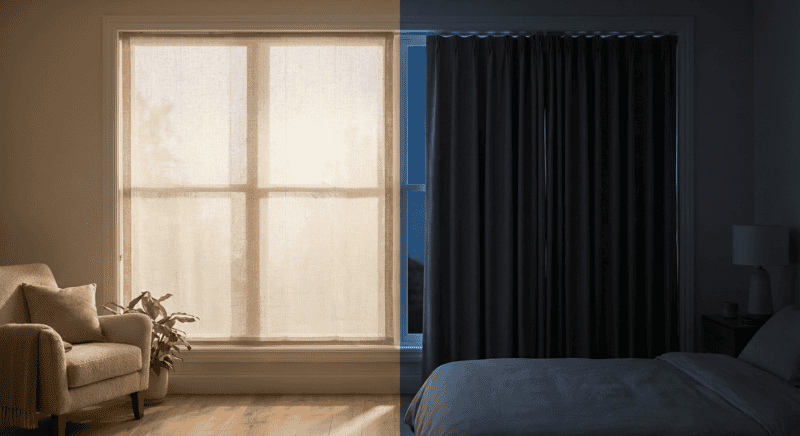
Energy-efficient blinds contribute to savings by providing an extra layer of insulation. In the winter, they help trap warm air inside, preventing heat from escaping through your windows. Conversely, during the summer, they can block out solar heat, keeping your home cooler and reducing the demand on your air conditioning system. This dual functionality makes them a valuable investment for any household looking to enhance comfort and reduce energy consumption. For those interested in exploring different types of window coverings, a look at modern window treatments can offer further insights into energy-saving options.
The principles of energy efficiency in blinds revolve around their ability to manage heat flow and sunlight. Features like cellular structures, reflective coatings, and tight seals around the window frame all work in concert to minimize unwanted thermal exchange. For those interested in modern window treatments, exploring options that integrate these principles can lead to substantial improvements in home comfort and energy conservation, forming the basis of our guide on how to maximize energy savings for more.
Key Principles for Maximizing Energy Savings
To effectively maximize energy savings, it’s essential to understand the core principles that make blinds energy efficient. These include superior insulation properties, effective light and heat control, and smart automation capabilities. By focusing on these aspects, homeowners can make informed decisions that lead to a more comfortable and cost-effective living environment.
Insulation is paramount, as windows are often the weakest point in a home’s thermal envelope. Blinds with multi-layered construction, such as cellular shades, trap air pockets, creating a barrier that slows down heat transfer. Light control is also critical; directing sunlight effectively can warm a home in winter while blocking harsh rays in summer. Smart features further enhance efficiency, allowing for automated adjustments based on time of day or room temperature, ensuring your window coverings always work to your advantage.
Our extensive experience installing hundreds of systems locally has revealed that properly insulated window coverings can significantly reduce utility bills, particularly during extreme weather conditions. For instance, integrating smart technology, like that found in Smart Living Powerview Automation, allows for precise control, ensuring you maximize energy savings without sacrificing natural light. Consider exploring options such as remote control blinds in Edmonton for effortless adjustments.
Blind Types and Energy Efficiency Impact
Different types of blinds offer varying degrees of energy efficiency, making it important to choose the right ones for your specific needs. Understanding the unique characteristics of each style helps homeowners make the best selection to maximize energy savings and enhance home comfort throughout the year.
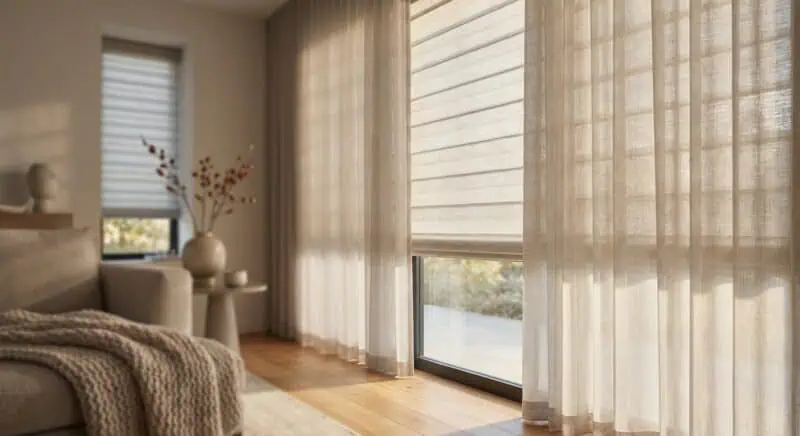
Cellular shades are renowned for their honeycomb structure, which creates insulating air pockets that significantly reduce heat transfer. Roller shades, especially those with reflective backings or made from denser materials, can also offer good insulation and light control. Roman shades, with their layered fabric construction, provide a stylish way to add insulation, particularly when lined or made from thicker textiles.
When comparing options, the effectiveness of Roman shades versus cellular shades is a common consideration, with cellular shades often leading in pure insulation value due to their unique structure. A review of Alta Roller Shades might reveal specific features beneficial for energy conservation. For those seeking unique designs, exploring Designer Roller Shades can also provide energy-saving benefits.
Cellular Shades: The Insulation Champions
Cellular shades, often called honeycomb shades, are exceptional at providing insulation due to their unique design. Their signature “honeycomb” structure consists of air-filled pockets that act as a thermal barrier, significantly slowing down heat transfer. This design makes them one of the most effective window treatments for reducing energy costs, helping homeowners to maximize energy savings in both cold and hot weather.
The effectiveness of cellular shades can be further enhanced by choosing fabrics with reflective or light-filtering properties. Double-cell designs offer even greater insulation by creating more air chambers. This superior thermal performance means less reliance on heating and cooling systems, leading to noticeable savings on utility bills. They are an excellent choice for windows that experience significant temperature fluctuations. If you’re considering replacing your current window coverings, learning how to safely remove Bali blinds might be a helpful first step.
Beyond their insulating capabilities, cellular shades are available in a wide range of colors and opacities, allowing for both privacy and light control. Their sleek, unobtrusive profile makes them suitable for various interior design styles. When considering window treatments for energy efficiency, cellular shades stand out as a top performer, providing substantial benefits for comfort and cost savings. For commercial applications, exploring your commercial blinds guide can offer further insights into efficient solutions.
Roller Shades: Simplicity Meets Efficiency
Roller shades offer a streamlined and modern approach to window treatments, and many options are designed with energy efficiency in mind. Their simple, functional design makes them versatile, and advancements in materials and features allow them to contribute significantly to home insulation. They are a popular choice for those looking to maximize energy savings with a clean aesthetic.
Certain roller shade fabrics come with specialized coatings or backings that reflect solar heat away from the home during the summer months. In winter, thicker or insulating fabrics can help to reduce heat loss. Motorized roller shades also offer convenience, allowing for automated adjustments to optimize light and heat control throughout the day, contributing to overall energy conservation efforts.
The variety available in roller shades means homeowners can find options that balance style, functionality, and energy performance. From blackout options that block almost all light and heat to sheerer materials that offer some privacy while still managing solar gain, the choices are extensive. Exploring brands like Alta Roller Shades or specialized Designer Roller Shades can provide excellent energy-saving solutions. For a detailed look at one popular brand, check out this Alta Roller Shades review for insights into their style and performance.
Roman Shades: Style and Insulation Combined
Roman shades provide a sophisticated aesthetic while also offering practical benefits for energy efficiency. Their construction, typically involving multiple layers of fabric, creates a natural insulating barrier against temperature fluctuations. This combination of style and function makes them a valuable addition for homeowners aiming to maximize energy savings.
The effectiveness of Roman shades in saving energy can be enhanced by selecting thicker fabrics or opting for styles with added linings. These features help to trap air and reduce heat transfer, similar to cellular shades but with a different visual appeal. They are particularly effective at blocking drafts and preventing heat loss from windows, especially when fitted closely to the window frame. For any issues that arise with your window treatments, consult the Edmonton blind repair guide for assistance.
When comparing different window treatments, Roman shades versus cellular shades often comes down to design preference, as both can offer significant energy-saving benefits. Their elegant draping and ability to blend seamlessly with interior decor make them a favored choice for creating a cozy and energy-efficient home environment.
Choosing Blinds for Your Climate
Selecting the right blinds is crucial for effectively managing your home’s temperature and energy consumption, and the optimal choice often depends on your local climate. Understanding how different weather patterns impact your home’s heating and cooling needs will guide you toward the most energy-efficient window treatments to help you maximize energy savings.
In colder climates, the primary goal is to retain indoor heat and prevent drafts. Blinds with excellent insulating properties, such as cellular shades or heavily lined Roman shades, are ideal. These can significantly reduce heat loss through windows, lessening the demand on your heating system. In warmer climates, the focus shifts to blocking solar heat gain and keeping the interior cool. Blinds with reflective backings or light-filtering capabilities are best suited for these conditions.
Here are key steps for selecting blinds based on climate:
- Assess your home’s primary heating/cooling needs. Determine if your home struggles more with staying warm in winter or cool in summer.
- Consider window direction and sun exposure. Windows facing south or west often receive more direct sunlight, requiring different solutions than north-facing windows.
- Evaluate material and construction for insulation. Look for features like air pockets, thick fabrics, or reflective coatings. For example, real wood versus faux wood blinds can have different insulating qualities.
- Factor in local weather patterns and extreme temperatures. If your area experiences harsh winters or intensely hot summers, invest in blinds designed for maximum thermal performance.
For residents in specific regions, local expertise can be invaluable. For example, homeowners in Stony Plain might find specific recommendations tailored to their climate’s challenges. Choosing blinds that are appropriate for your climate is a direct path to improving comfort and reducing energy expenses.
Smart Features and Automation for Savings
Beyond the material and construction of blinds, smart features and automation offer advanced ways to maximize energy savings. These technologies allow for precise control over your window treatments, optimizing them for energy efficiency based on real-time conditions and your schedule.
Automated scheduling is a key benefit, enabling blinds to open and close at specific times. For instance, blinds can be programmed to close during the hottest parts of the day in summer to block solar heat, or open in winter mornings to allow the sun’s warmth to naturally heat your home. This proactive approach ensures your window coverings are always working to maintain optimal indoor temperatures without manual intervention.
Integration with smart home systems provides seamless control and further enhances energy management. Many smart blinds can communicate with thermostats and other connected devices, creating a coordinated system for climate control. Features like sensor-based adjustments can automatically react to changes in sunlight or room temperature, fine-tuning your home’s environment. Exploring options like Smart Living Powerview Automation or the Powerview Automation Gen 3 Guide can illuminate the possibilities for effortless energy efficiency. Additionally, remote control blinds in Edmonton offer convenient manual overrides and scheduling.
Color and Material’s Role in Energy Efficiency
The color and material of your blinds play a significant role in their ability to manage heat and light, directly impacting your home’s energy efficiency. Choosing wisely can help you maximize energy savings throughout the year by either reflecting or absorbing solar radiation.
Lighter colors, particularly whites and pastels, are more effective at reflecting sunlight and heat. This is especially beneficial in warmer climates, where lighter blinds can help keep interiors cooler by bouncing solar radiation away from the window. Darker colors, on the other hand, tend to absorb more heat, which can be advantageous in colder climates during winter months, allowing them to capture and retain solar warmth.
The choice between materials like wood, faux wood, or fabric also affects thermal performance. For instance, real wood versus faux wood blinds can offer different insulating properties, with solid wood often providing better insulation. Fabrics used in shades, such as those found in contemporary window coverings, can also be engineered with special thermal backings or cellular structures to enhance their energy-saving capabilities. Understanding these material properties allows for more informed selections.
Installation and Maintenance for Optimal Performance
Proper installation and regular maintenance are critical for ensuring your blinds function optimally and continue to contribute effectively to maximizing energy savings. Even the most energy-efficient blinds can underperform if not installed correctly or if they fall into disrepair.
When installing blinds, it’s important to ensure a tight fit against the window frame. Gaps can allow air to escape or enter, diminishing the insulating effect. For cellular shades, a snug fit is especially important to trap air within the honeycomb structure. If you’re unsure about the process, seeking professional installation or following detailed guides, such as a DIY tutorial on removing blinds, can be helpful.
Regular maintenance, including cleaning and minor repairs, keeps blinds in peak condition. A comprehensive blind cleaning guide can help maintain their appearance and functionality. Addressing small issues promptly, perhaps by consulting a blind repair guide, prevents them from escalating into larger problems that could compromise energy efficiency. Keeping your window treatments in good order is a small step that yields significant long-term benefits for your home’s thermal performance.
Maximizing Your Savings: Key Takeaways
To truly maximize energy savings, homeowners should adopt a multi-faceted approach that leverages the benefits of energy-efficient blinds. By understanding the principles, choosing the right types, and utilizing smart features, significant reductions in utility costs and improvements in home comfort can be achieved.
The selection of blinds should always consider the climate and specific window characteristics. Whether opting for the superior insulation of cellular shades, the reflective properties of roller shades, or the stylish thermal barrier of Roman shades, the goal is to minimize unwanted heat transfer. Integrating smart automation further refines this process, ensuring your window treatments work dynamically to maintain ideal indoor temperatures. When choosing between materials, understanding the differences between real wood vs faux wood blinds can help you make the best decision for your home’s insulation and aesthetic.
Ultimately, investing in energy-efficient blinds is an investment in your home’s overall performance. By implementing the strategies discussed, such as exploring modern window treatments or considering options for areas like Stony Plain, you are taking proactive steps to maximize energy savings and enhance your living environment. This commitment to smart window coverings leads to long-term financial benefits and increased comfort.
Conclusion: Invest in Smarter Window Treatments
Investing in energy-efficient blinds is a strategic decision that pays dividends in terms of reduced energy bills, enhanced home comfort, and a more sustainable living environment. By understanding how different types of blinds contribute to insulation and heat control, homeowners can make informed choices that align with their specific needs and climate.
The journey to maximizing energy savings with window treatments involves considering factors from material and color to smart features and automation. Whether you’re updating your current decor or undertaking a larger home renovation, smart, energy-efficient blinds offer a tangible and effective way to improve your home’s thermal performance. Exploring options like modern window treatments can lead to significant long-term benefits.
Embracing smarter window treatments, such as those offered through smart living automation solutions, is an investment in both your home’s value and your personal comfort. By proactively managing your home’s energy consumption with the help of efficient blinds, you contribute to a more sustainable future while enjoying a more comfortable home environment and helping to maximize energy savings.