
Answer
Evaluating silhouette blinds vs sheer shades for light and privacy comes down to how effectively each design controls daytime visibility without sacrificing natural illumination. Proprietary Silhouette® window shadings utilize dynamic, tilting S-vanes nestled between dual fabric faces for variable directional control, whereas standard sheer options typically provide softer ambient filtering with less precise view-through adjustability. The specialists at Blind Magic guide homeowners toward the ideal fit from their collection of Hunter Douglas blinds Edmonton displays to ensure optimal UV screening and tailored seclusion for every living space.
Overview
Homeowners evaluating silhouette blinds vs sheer shades for light and privacy face distinct choices in vane engineering, fabric density, and daily operation. Sunlight management requires matching fabric opacities to exposure patterns, viewing angles, and budget priorities across common living spaces.
The following sections outline construction profiles, retail value, and operational mechanics across both product categories. A labeled real-world hypothetical illustrates typical layout choices and shade selections for regional window conditions.
- Vane Architecture: Review how suspended fabric vanes compare against flat-layer sheer constructions.
- Investment Value: Examine retail pricing tiers and long-term homeowner value across premium shading systems.
- Regional Performance: Assess how exposure angles impact Alberta window performance during intense summer sun and low winter glare.
- Daytime Privacy: Measure ambient light diffusion and view-through privacy mechanics across distinct fabric styles.
- Brand Catalogs: Compare custom collections, hardware upgrades, and fabric sample books available for tailored installations.
- Real-World Example: Walk through a practical scenario comparing local shading choices on main-floor living room windows.
- Room Applications: Match specific vane styles to room-by-room criteria for street-facing bedrooms, dining areas, and patio doors.
- Thermal Efficiency: Weigh budget constraints, operating systems, and fabric opacity tiers to balance heat retention with glare control.
Vane Geometry and Mechanical Differences in Sheer Window Coverings
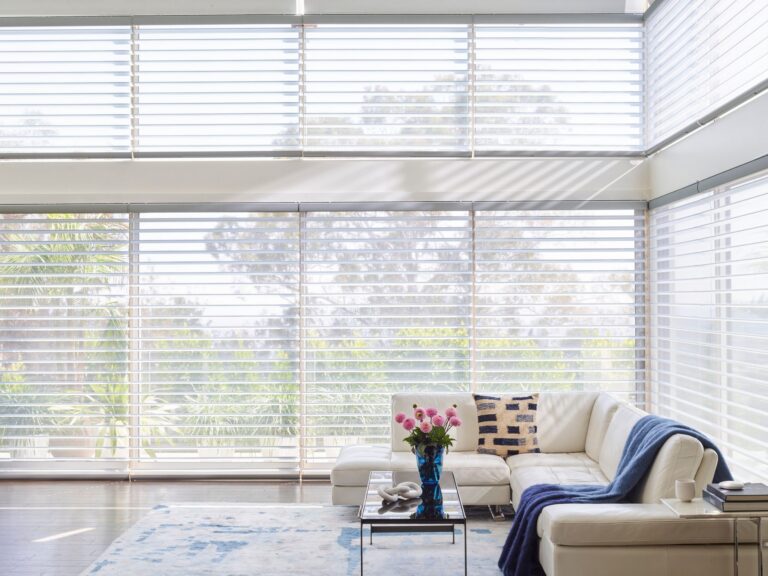
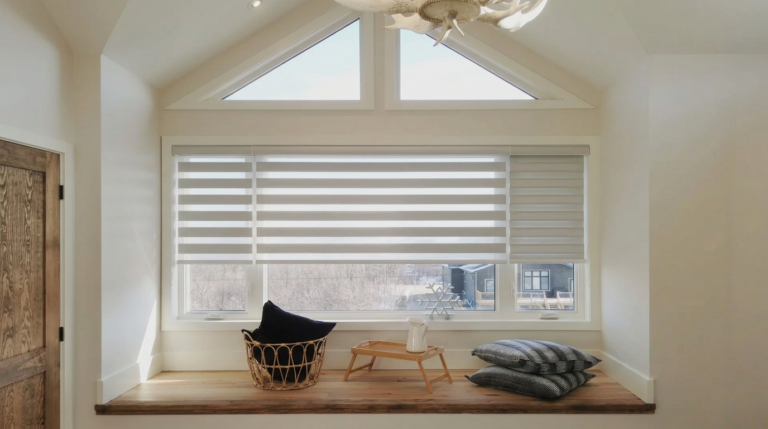
Signature S-curved fabric vanes distinguish Hunter Douglas® products from entry-level alternatives across the window covering market. Suspended directly between parallel front and rear sheer facings, these distinct vanes come in 2-inch, 3-inch, and 4-inch profiles. Homeowners adjust the vane angle to cast direct solar rays up toward ceilings, dispersing harsh brightness evenly throughout living spaces while shielding digital displays from low winter snow reflections and intense midsummer heat.
Traditional sheer shades feature planar woven fabric or single-layer translucent materials that mute inbound illumination without directional control. Silhouette® shadings unify the rotatable slat functionality of traditional blinds with the delicate filtration of sheer drapery. When living spaces call for contoured front fabric louvers anchored to an exclusive single sheer backing, Pirouette® window shadings present an alternative architectural silhouette that retracts smoothly into a low-profile headrail.
| Design Specification | Silhouette® Window Shadings | Standard Sheer Treatments |
|---|---|---|
| Core Build | Curved S-vanes floating within dual sheer facings | Planar fabric inserts or continuous single-ply woven sheets |
| Solar Management | Micro-adjustable vane rotation channels daylight upward | Passive light muting lacking directional deflection |
| Viewing Profile | Clear outdoor visibility with open vanes | Muted visibility through fixed translucent material |
Silhouette® Window Shading Investment and Durability Benefits
Selecting premium Hunter Douglas shades typically requires an initial expenditure between $300 and $1,200 CAD per window in Alberta communities such as Calgary, depending directly on frame scale, fabric category, and automated motor systems. Baseline sheer products present a smaller upfront invoice, yet authentic Silhouette® designs generate persistent financial dividends through mechanical resilience, surface preservation, and climate isolation.
Homes facing intense prairie exposures gain substantial advantages from these engineered textiles. Positioning residential blinds on south-facing or west-facing architecture mitigates severe afternoon solar radiation during July heatwaves while simultaneously curbing draft seepage through winter glazing.
| Silhouette® Engineering Feature | Functional Capability | Long-Term Household Benefit |
|---|---|---|
| S-shaped fabric vanes (2-inch, 3-inch, or 4-inch) | Angles direct daylight upward while sustaining views outside | Softens intense glare into usable, glare-free indoor illumination |
| High-efficiency UV barrier | Screens out up to 88 percent of ultraviolet exposure while open | Protects hardwood planks, area carpets, and furniture fabrics from discoloration |
| Double-sheer thermal pocket | Captures an insulating barrier between the two sheer facings | Stabilizes indoor climate controls to trim seasonal heating and cooling power draw |
Accurate glass assessments ensure these cellular pockets function properly. Booking precision custom measures prevents edge gaps, securing the complete insulating barrier that defends both interior finishes and household utility budgets.
Daylight Management and Privacy Controls for Regional Climates
Selecting durable window coverings for broad residential glass across central Alberta means addressing intense afternoon exposure alongside nighttime seclusion. Broad panes bring substantial daylight, yet unshaded glass introduces harsh reflections and exposes living quarters after dusk. Standard single-sheet sheer shades gently filter incoming light through stationary woven fabric, but Hunter Douglas Silhouette® Window Shadings introduce rotatable S-shaped fabric vanes floating between front and rear sheer layers for variable optical control.
Consider an Edmonton homeowner managing a workspace surrounded by tall glass. Sunlight brightens the room effectively, yet intense reflections wash out display monitors by midday, and street-level sightlines compromise interior seclusion once interior fixtures turn on after sunset. Choosing between fixed-opacity sheers and dual-sheer vane systems directly impacts daily usability.
Functional Advantages of Dual-Sheer Vane Construction
Upgrading a dedicated home office with Silhouette® shades delivers distinct operational benefits over basic woven roller materials:
- Precision Blade Adjustment: Tilting the internal 2-inch, 3-inch, or 4-inch fabric slats directs bright sun rays upward across ceilings, preventing monitor washout while preserving sightlines to the garden or street.
- Reliable Nighttime Seclusion: Rotating the vanes shut blocks direct lines of sight from sidewalks when interior lighting turns on, whereas single-layer translucent sheers invert transparency and reveal indoor silhouettes at night.
- Year-Round Climate Buffering: Outfitting large windows with dual-faced fabric pockets traps quiet air between panels, reducing summer thermal transfer and slowing interior warmth loss during sub-zero cold snaps.
Daylight Diffusion and Privacy Control in Hunter Douglas Silhouette® Shadings
Hunter Douglas Silhouette® Window Shadings block 88% of ultraviolet rays when the vanes are open and up to 99% when closed. Curved fabric slats rest between twin sheer panels, granting precise regulation of natural illumination and interior seclusion. During long northern summer days, rotating the 2-inch, 3-inch, or 4-inch vanes removes harsh reflections on television screens and monitors while preserving your panoramic outdoor sightline.
Duolite® light and privacy options combine a sheer front shading with an autonomous room-darkening roller shade within one sleek cassette. Choosing custom residential blinds from Blind Magic enables households to calibrate illumination levels across bright dining spaces or quiet sleeping quarters throughout every hour of the day.
Core Optical Engineering
- Variable Fabric Vanes: S-shaped fabric louvers tilt in place to transition from transparent outdoor viewing to total visual obstruction.
- Dual Sheer Panels: Front and rear translucent textiles scatter harsh sunbeams into balanced room brightness, protecting hardwood finishes and upholstery from sun damage.
- Daytime Surface Reflection: The exterior facing reflects ambient outdoor light, preventing outside observers from seeing indoors while keeping the view out fully intact.
- Nighttime Visual Blockade: Closed slats stop exterior sightlines after dark, while LightLock™ side channel systems absorb perimeter halo light to ensure a deep rest environment.
| Shading Component | Light and Seclusion Mechanism | Recommended Room |
|---|---|---|
| 2-inch, 3-inch, or 4-inch S-Vanes | Modulates daylight angle, stops monitor glare, and blocks direct lines of sight | Main-floor living spaces and home offices |
| Duolite® Dual Roller Insert | Combines daylight softening with opaque backing | Primary bedrooms and home theatres |
| LightLock™ Channels | Eliminates light gaps along the window frame borders | Nurseries and shift-worker bedrooms |
Hunter Douglas Sheer Shade Collections at Blind Magic
Expansive glazing across Alberta residences exposes main-floor spaces to intense solar radiation, requiring shading systems that balance daylit comfort against UV fading. Through Blind Magic Custom Blinds, homeowners can select high-performance Hunter Douglas® treatments designed specifically for tall foyers, great rooms, and private sleeping quarters. Proper shade selection hinges on glass dimensions, external exposure, and nighttime seclusion goals.
Fabric Vane Styles and Light Control Systems
- Hunter Douglas® Silhouette® Window Shadings position horizontal S-shaped fabric vanes between two sheer facings. Available in 2-inch, 3-inch, and 4-inch profiles, these vanes tilt precisely to filter direct sun while screening up to 88 percent of incoming UV radiation.
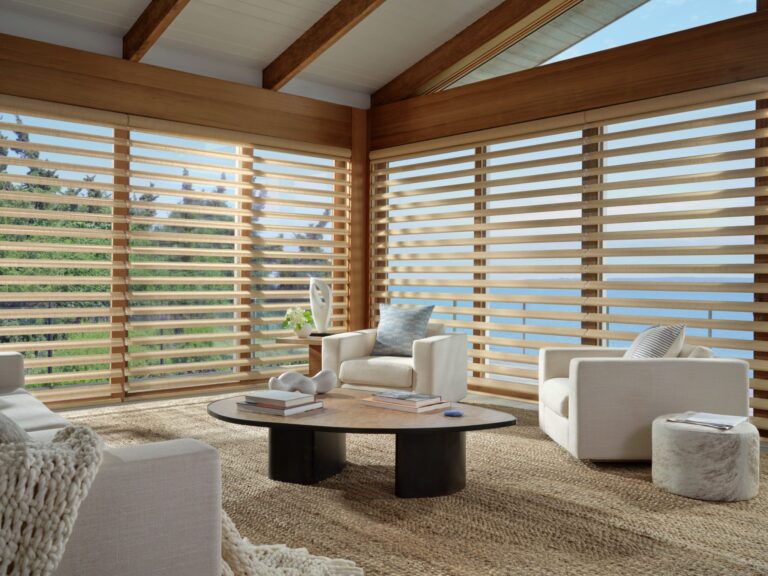
- Pirouette® Window Shadings secure contoured fabric louvers to a singular sheer backer layer. The fabric draws upward to reveal unhindered sightlines or flattens securely when full room shading is necessary.
- Banded dual-roller and modern sheer fabrics present streamlined geometric profiles, simplifying daytime sun moderation across linked open-concept living zones.
Every order requires accurate on-site sizing to preserve thermal efficiency during prairie winters. Scheduling professional Custom Measures ensures millimetre-exact alignment inside the frame casing, eliminating lateral light leaks and defending indoor surfaces from radiant temperature swings.
Sherwood Park Window Installations and Leading Sheer Brand Comparisons
Installing Silhouette® Window Shadings in Sherwood Park residences typically costs between $850 and $2,250 per window. Final project estimates reflect specific vane sizes, textile selections, and operating gear. Choosing PowerView® Automation rather than standard cordless hardware drives the upper range of investment, particularly on broad main-floor glass expanses where motorized tilt controls provide effortless daily adjustments.
| Product Line and Fabric | Room Location | Lift System | Installed Price Range |
|---|---|---|---|
| Silhouette® ClearView® Originale 3-Inch Linen Flirt | Main Living Room | PowerView® Automation | $2,150 to $2,250 per window |
| Silhouette® Radiant White Standard Weave | Upper Bonus Room | LiteRise® Cordless | $850 to $950 per window |
Standard sheer fabric panels gently scatter bright outdoor rays, yet sleeping quarters and home entertainment rooms demand dedicated darkness. Hunter Douglas® resolves perimeter daylight gaps by pairing Duolite® secondary roller systems with LightLock® side-channel tracks, creating an impenetrable light seal directly against the jamb. For whole-home projects balancing multiple price points, comparing Hunter Douglas® alongside Graber® and ALTA Window Fashions clarifies which engineering features best match each living zone.
| Manufacturer and Model | Best Window Applications | Fabric and Light Architecture | Budget and Hardware Details |
|---|---|---|---|
| Hunter Douglas Silhouette® Window Shadings | Living rooms, formal dining areas, south exposures | Signature S-vanes suspended between twin sheers; blocks up to 88% of incoming UV rays | Premium investment tier; compatible with ClearView® black rear sheers and Duolite® |
| Hunter Douglas Pirouette® Window Shadings | Great rooms demanding open exterior views | Sculpted fabric contours mounted onto a single sheer backing; retracts into the headrail | Architectural fabric profile; offers clean outward sightlines without a front fabric layer |
| Graber® Overture Sheer Shades | Everyday family living areas and multiple window orders | Horizontal textile vanes held between dual sheer faces to soften harsh glare | Mid-tier pricing; fewer specialized front-and-back sheer weave variations |
| Alta Window Fashions Sheer Shades | Modern renovations requiring unified color matching | Light-diffusing dual sheers enclosing adjustable fabric horizontal vanes | Accessible entry price point; standard sheer textiles without high-clarity view screens |
Selecting Sheer Shadings and Silhouette Treatments by Room
Edmonton properties featuring extensive south or west exposures endure up to 16 hours of intense summer sun, making precise angle adjustment necessary when evaluating silhouette blinds vs sheer shades for light and privacy. Proprietary Hunter Douglas® blinds and Silhouette® Window Shadings solve this challenge by suspending curved fabric vanes between twin translucent facings in 2-inch, 3-inch, or 4-inch depths. Adjusting these internal fabric louvers channels direct glare straight toward ceilings, shielding electronics and flooring while preserving sightlines outward through the transparent backing.
Standard sheer shadings, by contrast, offer a simpler construction that scatters incoming illumination into an even glow across a space without allowing independent vane rotation. Homeowners frequently pick basic sheer window treatments for north-facing home offices, guest bedrooms, or utility areas where secondary budgets take precedence over direct solar deflection. If you want to explore tailored options for varied living zones, our Shop By Room guidance details how distinct sunlight exposures dictate window dressing requirements.
For spaces combining standard picture windows with large sliding patio entries, coordinating horizontal Silhouette® treatments with vertical Luminette® Privacy Sheers ensures matching fabric sheers and balanced ultraviolet shielding across all glass surfaces.
| Solar Control Objective | Optimal Product Style | Specific Design Benefit |
|---|---|---|
| Direct Sun Redirection | Silhouette® Window Shadings | Adjustable S-shaped fabric louvers tilt to angle intense sunlight away from screens and furnishings. |
| Daytime Exterior Privacy | Silhouette® Window Shadings | Dual sheer facings blur inward views from outdoors while preserving outgoing sightlines. |
| Cold-Weather Insulation | Silhouette® Window Shadings | Air chambers created between parallel sheer facings trap heat against chilly winter window glass. |
| Diffused Ambient Light | Standard Sheer Shades | Continuous or stationary sheer materials soften natural illumination across low-exposure living areas. |
Cost Comparison and Thermal Insulation for Sheer Window Coverings
Investing in custom residential blinds involves balancing initial window hardware expenses against heat retention and evening seclusion. Large architectural glazing like picture windows exposes interiors to heavy seasonal temperature swings across Western Canada, losing radiant heat during sub-zero winters while collecting intense UV radiation all summer. Choosing the right fabric build prevents excessive energy loss and keeps indoor living spaces comfortable.
| Performance Metric | Standard Sheer Shades | Hunter Douglas Silhouette® Window Shadings |
|---|---|---|
| Cost per Single Window (CAD) | $200 to $800 CAD based on measurements and manual lift hardware. | $300 to $1,200 CAD depending on 2-inch, 3-inch, or 4-inch vane profile, textile grade, and motor systems. |
| Evening Privacy Control | Daylight provides outward view screening, but backlit indoor lights reveal figures after dusk unless supplemented by opaque drapes. | Internal fabric louvers pivot closed against the sheer facings to block outside sightlines, with available Duolite® blackout roller liners for media rooms. |
| Daylight Diffusion | Basic woven horizontal panels soften incoming glare continuously with limited angle variation. | Signature S-vanes suspended between twin sheer facings adjust precisely to diffuse sunlight, repel ultraviolet rays, and sustain outdoor sightlines. |
Pairing these treatments with SoftTouch® motorization gives homeowners simple wand-controlled adjustments for tall or hard-to-reach glass installations. Standard sheer products work well for secondary rooms with steady daylight needs, but Hunter Douglas Silhouette® shadings deliver superior glare suppression and night concealment through their adjustable dual-sheer construction.
FAQ
To help you choose the ideal window coverings for your home, the following guide addresses common questions about silhouette blinds vs sheer shades for light and privacy, maintenance, and overall value.
| Question | Answer |
|---|---|
| Which rooms benefit most from silhouette blinds over standard sheer shades? | Silhouette® shadings excel in street-level living rooms, main-floor home offices, and primary bedrooms where view-through control matters as much as privacy. Because their interior fabric vanes tilt, you can block direct sightlines from the street while still washing the ceiling with natural light. If your room only requires basic glare reduction without directional light control, standard sheer shades work well for private rear yards or upper-floor spaces in Edmonton, Alberta. |
| Can people see inside your home at night with silhouette blinds or sheer shades? | Standard sheer shades allow outdoor viewers to see backlit silhouettes inside your home at night once interior lights are turned on. Hunter Douglas Silhouette® shadings solve this issue when you close the interior fabric vanes fully, creating complete visual privacy from the street. For maximum nighttime coverage in Edmonton homes, you can also select an integrated room-darkening roller shade backing behind the sheer facings. |
| How do cold Edmonton winters impact the fabric maintenance of sheer window shadings? | Dry winter air in Edmonton increases static electricity, which causes household dust and pet dander to cling to sheer polyester fabrics. You can manage this buildup by running a vacuum on its lowest suction setting with a soft brush attachment, or by blowing cool air between the vanes with a hairdryer. Avoid using hot water or aggressive scrubbing on either window treatment, as moisture combined with forced-air furnace heat can cause delicate sheer facings to wrinkle. |
| What is the typical price difference per window between these two styles? | Custom Hunter Douglas Silhouette® shadings generally range from $600 to $1,200 per window in Edmonton, depending on the chosen vane size, specialty fabrics, and motorized controls. Basic continuous-sheet sheer shades generally cost between $350 and $700 per window because their construction does not require suspended, tilting internal vanes. If you need precise sunlight redirection rather than simple diffusion, the extra mechanical capability of the S-shaped vanes justifies the higher initial investment. |