
Answer
Selecting the right roman shade styles and fabric options for Edmonton windows requires balancing tailored aesthetics, such as sleek flat folds, cascading hobbled loops, or soft relaxed pleats, with performance textiles that resist local temperature fluctuations. Homeowners can enhance energy efficiency and daytime privacy by layering rich linens or woven patterns with premium window coverings and insulating thermal backings. The design team at Blind Magic offers complimentary consultations to match your interior décor with exact measurements, curated fabrics, and personalized control systems.
Overview
Selecting window treatments requires balancing mechanical depth, privacy levels, and thermal performance across changing seasons. Homeowners often ask which profiles hold up against winter drafts, how textured weaves interact with intense summer light, or how mounting depth changes casing clearance. A labeled real-world hypothetical illustrates these decisions by modeling fabric choices and functional hardware under practical interior constraints.
Evaluating roman shade styles and fabric options for Edmonton windows involves matching specific fold constructions with appropriate textiles and mounting profiles for lasting performance. Each section outlines actionable specifications to guide your design choices:
- Core Design Profiles: Review structural variations and aesthetic movement across six core shade styles suited for local homes.
- Fold Construction Differences: Compare operational clearances, fabric stacking bulk, and visual lines between flat and hobbled folds.
- Fabric Selection Criteria: Match woven textures, linen weights, and synthetic fibers to fabric durability standards across active living spaces.
- Mounting and Measuring: Check frame depth limits, casing clearances, and bracket alignments using precise mounting steps for inside or outside installations.
- Liner Performance Options: Assess solar heat gain control, UV protection, and day-to-night privacy by comparing filtering versus blackout liners.
- Real-World Example: Walk through tailored casing depths, fabric coordinates, and motorization setups with custom shade solutions built for challenging layouts.
Distinct Roman Shade Structural Profiles For Local Architecture
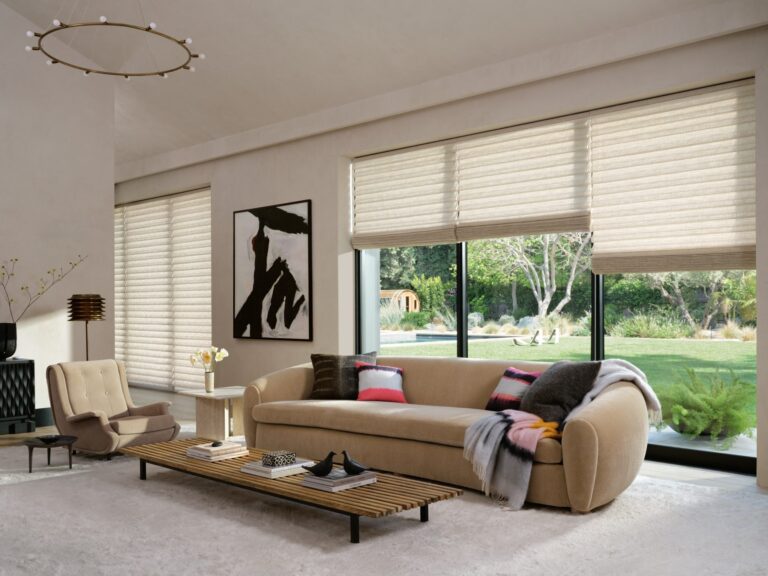
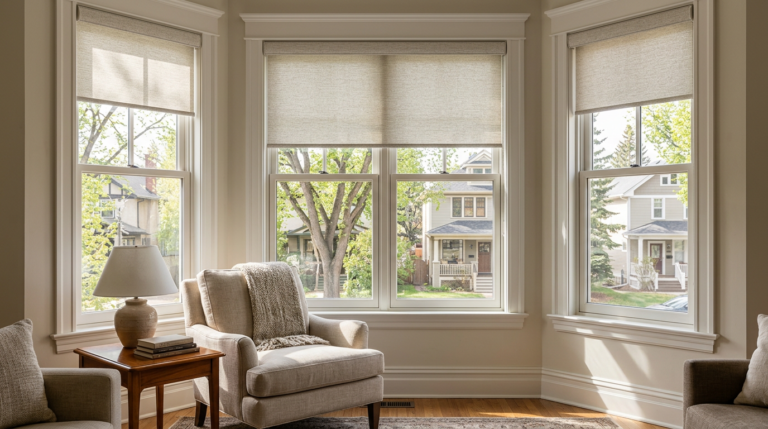
Installing Hunter Douglas Vignette® Roman shades gives local properties uniform, dimensional pleats that trap air against glass panes while diffusing direct northern prairie sun. Broad window expanses across Alberta require careful attention to fold profile, since fabric volume alters sound absorption, stack height, and sightlines.
Fitting large windows with custom shades demands balancing structural mechanics against textile density and clearance needs. Streamlined panels align with modern infill designs in Glenora and Ritchie, while fuller folds suit heritage spaces in Old Strathcona. Material choices such as Alustra® Woven Textures® bring organic depth without sacrificing dimensional stability over tall glass.
| Shade Profile | Fold Characteristics | Recommended Room Application |
|---|---|---|
| Flat Fold | A single uninterrupted textile surface hangs taut when extended, collecting into clean horizontal rows when lifted. | Open kitchens and modern dens; shields graphic patterns from distortion. |
| Hobbled (Looped) Fold | Tiered, overlapping loops run down the entire shade drop, maintaining permanent depth and extra insulating dead air. | Formal living rooms and primary suites requiring maximum thermal dampening. |
| Relaxed Fold | The shade hangs without a rigid bottom batten, forming an unconstructed crescent dip along the base. | Low-traffic sitting rooms or casual reading nooks using lightweight linen blends. |
Flat Versus Hobbled Roman Shade Construction Profiles
Choosing proper custom window coverings shapes how natural daylight enters a room and defines the overall perimeter architecture. Both flat and hobbled designs draw upward into neat horizontal stacks, yet each profile establishes an entirely separate aesthetic once lowered across the glass pane.
Flat Fold Architecture
Flat builds rely on one uninterrupted textile span that drops flush against the window pane without horizontal pleats or ripples. This unstitched expanse highlights oversized botanical prints, sharp stripes, and intricate motifs without shifting or breaking the pattern flow. Because this streamlined format uses less raw material, it also keeps the project expenditure lower than gathered options.
Property owners managing shallow jamb depths or contemporary decors gain distinct functional benefits from flat panels:
- Compact headrail stacking clears upper panes swiftly to let full sunlight into the living area.
- Low profile clearances fit tight casings where deep projecting treatments might hit window cranks or trim.
- Unbroken surfaces create a sleek, structured backdrop suited for modern and transitional interiors.
Hobbled Fold Architecture
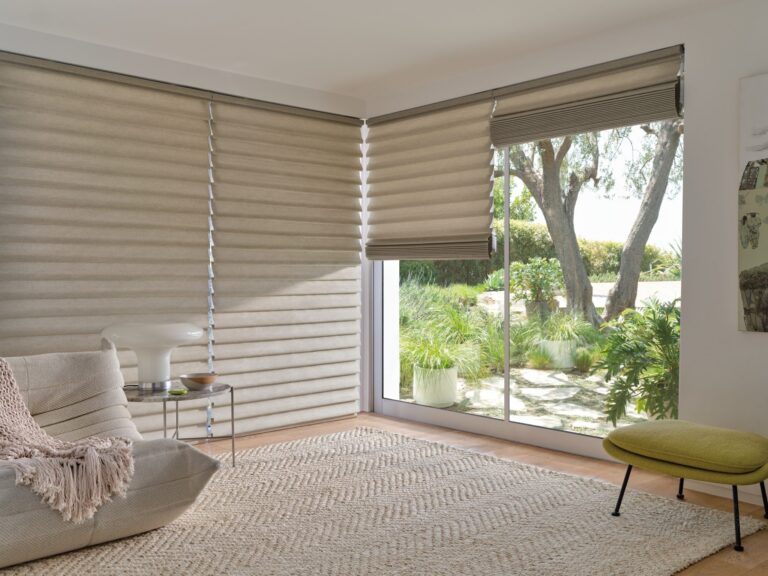
Installing textured lines like Alustra® Woven Textures® creates a rich, layered look through hobbled construction, frequently called a teardrop or looped configuration. Stitched loops descend across the front face in measured tiers, preserving soft, sculptural curves even when drawn down to the windowsill.
These permanent cascades build a dimensional, drapery-style presence that softens hard architectural lines and provides supplementary thermal insulation against glass chills. Comparing custom Roman shades across both options helps determine whether clean surface geometry or classic fabric volume best fits the room design.
Fabric Performance and Material Selection for Roman Shades
Fiber makeup, yarn thickness, and weave tightness dictate both the stack height at the headrail and the smoothness of the fabric plane across your glass. South-facing glazing across Edmonton routinely endures up to 16 hours of intense summer sun, making ultraviolet stability and durable backings necessary barriers against dry rot, yellowing, and brittleness. At Blind Magic, we pair each window’s thermal exposure with textiles engineered to hold distinct folds without warping under fluctuating indoor humidity.
Alustra® Woven Textures® roman shades showcase how architectural fibers blend visual warmth with structural stability, preventing edge curl across tall window openings. When coordinating whole-home window coverings, our Shop By Room guidance clarifies which textiles match specific household traffic and solar angles. The reference table below details how common window treatment fabrics perform across Edmonton residences:
| Textile Category | Drape Profile and Fold Structure | Solar Durability and Care Protocol | Recommended Living Spaces |
|---|---|---|---|
| Cotton | Produces clean, tailored lines and sharp pleat edges when supported by a lining. | Moderate sun tolerance; clean monthly using a vacuum hose fitted with a soft upholstery brush. | Home studies, family rooms, and guest quarters. |
| Linen and Blends | Offers an open, slubbed hand that softens fold profiles for an informal, breezy drape. | Vulnerable to seasonal shrinkage and wrinkling unless reinforced with synthetic yarn stabilizers. | Solariums, open-concept dining zones, and breakfast nooks. |
| Silk and Faux Silk | Delivers a reflective sheen that presses into crisp, formal folds; synthetic silk prevents sun rot. | Natural silk degrades rapidly under direct solar rays; faux weaves resist moisture breakdown. | Formal dining rooms, primary suites, and quiet parlors. |
Pairing structured fabrics with Duolite® dual-opacity systems provides independent diffused illumination and total darkening on a single headrail, giving high-exposure exposures reliable temperature control across all seasons.
How to Measure Windows for Inside and Outside Mounted Roman Shades
Mounting choices directly influence privacy, light control, and how finished treatments sit against your trim. When installing custom Hunter Douglas® Roman shades, selecting an inside mount highlights existing millwork and creates a clean, recessed appearance. This positioning requires 1.5 to 2.5 inches of recessed sill depth to anchor the headrail and control components cleanly. An outside mount fastens to the wall face or upper molding, which covers the entire casing to conceal edge light leakage and create the visual illusion of a larger glass area.
Achieving clean operation starts with disciplined dimension recording. Scheduling custom measures ensures absolute precision before fabrication begins, protecting against fabric rubbing on jambs or bottom rails striking the sill. Home foundations naturally shift, meaning trim work rarely remains square. Use a rigid steel tape measure rather than a flexible cloth rule, noting each span to the nearest eighth of an inch.
| Mounting Position | Target Dimension | Recording Method | Fit Objective |
|---|---|---|---|
| Inside Mount | Width | Check the span horizontally at the top, center, and bottom of the casing. | Order using the smallest width to stop moving fabric from catching against side jambs. |
| Inside Mount | Height | Check the span vertically at the left, center, and right points down to the sill. | Order using the shortest height so the weighted bottom bar hangs straight without pooling. |
| Outside Mount | Width | Determine the exact outer edge-to-edge span desired on the wall or outer trim. | Add two to three inches beyond each frame edge to minimize side light gaps. |
| Outside Mount | Height | Determine the distance from the intended bracket placement down to the desired drop point. | Position brackets several inches above the molding to stack raised folds clear of the glass pane. |
Professional Roman shade installation guarantees level headrail positioning, straight vertical drops, and balanced cord tension. Blind Magic prepares every custom window treatment to match your home’s exact dimensions, ensuring your shades operate smoothly through every season.
Lining Upgrades and Dual-Shade Light Control
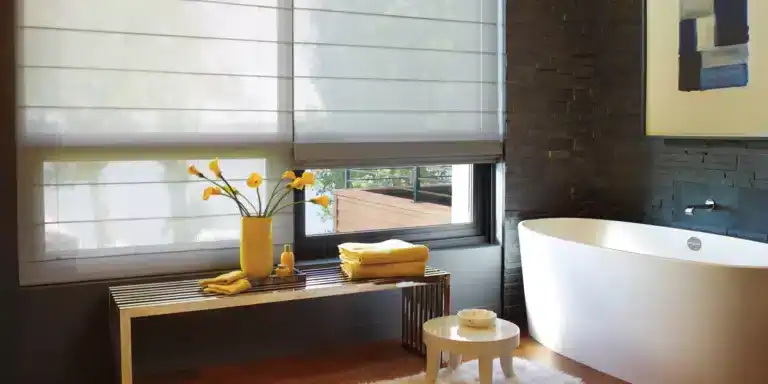
Edmonton averages roughly seventeen hours of direct daylight during June and July, making correct backing selections a priority for sun management and sleep schedules. Window treatments must balance harsh summer glare against long sub-zero winters. By pairing decorative face textiles with specialized backings or secondary roller panels, households gain precise control over glare reduction, thermal heat retention, and street-level privacy throughout every season.
Sun management needs vary significantly across the home:
- Light-filtering liners: These translucent materials soften raw midday sun, cutting screen reflections on living room windows while bathing dining rooms and home offices in gentle, natural illumination. While they offer complete daytime concealment, evening interior lighting creates outlines visible from outdoors.
- Multi-pass blackout liners: Engineered to stop 95% to 99% of incoming light, these dense fabric layers yield true dark conditions for bedrooms, street-facing nurseries, and media spaces. As a secondary benefit, installing custom Hunter Douglas® shades equipped with dense lining layers establishes an insulating dead-air cavity that helps block severe Alberta winter drafts.
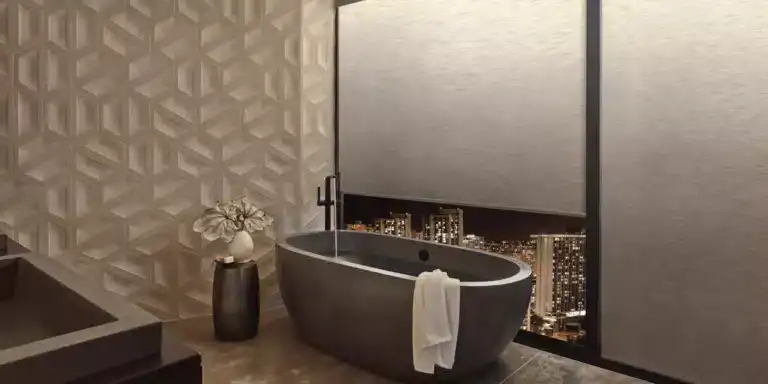
- Duolite® dual-opacity systems: This setup mounts a light-diffusing front roman fold alongside a separate room-darkening back roller within a single, space-saving headrail. Homeowners can switch between open daytime views, filtered illumination, and complete evening darkness at will.
- Aura™ Illuminated Shades: Designed with integrated headrail LED channels, Aura™ technology projects tunable warm-to-cool backlighting down the shade fabric, replicating ambient daylight during short December afternoons.
| Backing Architecture | Sun & Glare Reduction | Privacy Performance | Recommended Application |
|---|---|---|---|
| Light-Filtering Liner | 60% to 75% UV suppression | Daytime visual block; nighttime interior silhouettes | Kitchens, sunrooms, and open living spaces |
| Blackout Liner | 95% to 99% light blockage | Continuous 24-hour exterior visual barrier | Shift-worker bedrooms, nurseries, and home theatres |
| Duolite® Dual Roller | 65% to 99% variable control | Soft daytime daylighting converting to full blackout | Guest bedrooms and south-facing suites |
Blind Magic Custom Roman Shade Engineering and Room Specifications
Custom roman shades from Blind Magic deliver exact edge-to-edge coverage across oversized glazing, preventing unwanted halo leaks during long summer twilights and low winter sun angles. Our precision-tailored textiles integrate with exact mounting hardware, ensuring balanced operation across challenging window spans.
Window coverings can incorporate specialized dual-opacity features like Hunter Douglas Duolite® systems, merging filtered daylight with true privacy in a single headrail. For spaces requiring programmable illumination, Aura® Illuminated Shades introduce controllable ambient backlighting that replicates natural sunlight transitions regardless of outdoor sky conditions.
| Shade Configuration | Recommended Room Setting | Investment Level | Functional Benefit |
|---|---|---|---|
| Flat Fold Construction | Minimalist spaces and contemporary layouts | Mid-range to High-end | Rests flush against window glass and gathers tightly overhead to preserve clear outdoor sightlines. |
| Hobbled Fold Style | Formal sitting rooms and transitional interiors | Mid-range to High-end | Maintains soft cascading fabric loops down the entire length, dampening room echoes and increasing insulation. |
| Translucent Light-Filtering | Living rooms, kitchens, and home offices | Mid-range | Softens sharp sun glare into a bright glow while keeping interiors shielded from street view. |
| Opaque Room Darkening | Bedrooms, home theatres, and nurseries | Mid-range to High-end | Stops early morning dawn and exterior streetlights to establish an uninterrupted resting space. |
Blind Magic certified installers complete detailed on-site assessments for every project. This hands-on process verifies correct clearances, secures balanced cordless or motorized lifts, and ensures lasting fabric alignment across compact casement units and panoramic living room glass.
FAQ
To help you navigate the best roman shade styles and fabric options for Edmonton windows, we have compiled answers to common questions about fold performance, mounting choices, and material durability below. Review the following guide to find the ideal balance of winter insulation and everyday style for your home.
| Question | Answer |
|---|---|
| Which Roman shade fold style provides the best thermal insulation during Edmonton winters? | Hobbled Roman shades deliver the highest thermal performance because their cascading loops of folded fabric create natural air pockets that trap cold drafts along window glass. Pairing these folds with a dense wool, heavy jacquard, or blackout thermal liner helps protect rooms from northern winter chill in Edmonton, Alberta. If you install shades on north-facing windows or older double-pane glass, choose hobbled folds with a dedicated insulating backing. |
| Should you choose an inside or outside mount for Roman shades on older character home trim? | Outside mounts work best if window casings lack the standard two to three inches of frame depth required for inside-mount brackets. Installing outside the frame also prevents light gaps along uneven trim common in older Edmonton, Alberta properties and lets the fabric stack sit above the glass to preserve natural daylight. Inside mounts remain ideal when deep sills allow the shade to showcase decorative woodwork around the perimeter. |
| How do relaxed Roman shades hold up on wide living room windows that get daily use? | Relaxed Roman shades look best on narrow to medium-width windows where the bottom curve can maintain its shape without excessive manual dressing. On wide picture windows, the center of a relaxed shade often bows downward unevenly after repeated raising and lowering. If you need daily operation on large Edmonton living room windows, flat fold or batten-back styles maintain straighter horizontal pleats with less fabric readjustment. |
| Can synthetic polyester fabrics resist UV fading better than natural linen in south-facing rooms? | Polyester blends and treated performance synthetics resist solar degradation significantly better than pure linen or unlined cotton under intense summer exposure. Edmonton experiences over sixteen hours of summer daylight, which can cause unlined natural weaves to bleach, stretch, or weaken over time. Adding a separate sun-blocking liner protects face fabrics from direct rays regardless of whether you pick a natural or synthetic blend. |