
Answer
Capitalizing on strategic home upgrade benefits for energy rebates and resale value begins with high-performance interior improvements that cut thermal loss and attract modern homebuyers. Integrating smart PowerView® Automation allows motorized coverings to adapt dynamically to daily sunlight, qualifying your property for regional efficiency incentives while protecting architectural finishes. The specialists at Blind Magic outfit residences with tailored shading solutions that deliver immediate utility savings and elevate long-term market appraisal.
Overview
Evaluating potential residential retrofits involves balancing immediate thermal performance, grant eligibility, and market demand. Homeowners assessing home upgrade benefits for energy rebates and resale value can review specific efficiency improvements alongside financial programs designed to offset renovation expenses.
The following sections outline technical mechanisms, program qualifications, and regional pricing patterns for property retrofits. A labeled real-world hypothetical illustrates typical budget allocations and product selection criteria under stated assumptions.
- Climate Control: Motorized shading improves seasonal efficiency through smart automation schedules tailored to solar exposure.
- Real-World Example: A project breakdown reviews PowerView® project pricing alongside thermal performance outcomes.
- Property Value: Strategic efficiency retrofits consistently maximize property resale value during competitive real estate listings.
- Thermal Grants: Provincial incentives provide rebates and financing options for qualifying window upgrades.
- Tax Deductions: Federal initiatives support energy reductions through accessible renovation tax credits for qualified households.
- Historic Retrofits: Older construction demands custom window treatment retrofits that resolve air leakage without compromising framing integrity.
- Product Selection: A side-by-side analysis delivers a window treatment product comparison matching specific fabric styles to thermal demands.
Automated Climate Control Systems for Lower Power Bills
Modernizing window fixtures reduces annual residential power loss by as much as 12 percent, maintaining steady interior temperatures through fluctuating prairie seasons. Installing smart operating systems allows window shades to communicate with indoor thermostats and ambient daylight sensors, stopping midsummer solar gain before mechanical air conditioning units face excessive strain. Daily routines run on automated timers tied to sunrise and sunset schedules, removing the requirement to reposition slats or fabrics manually.
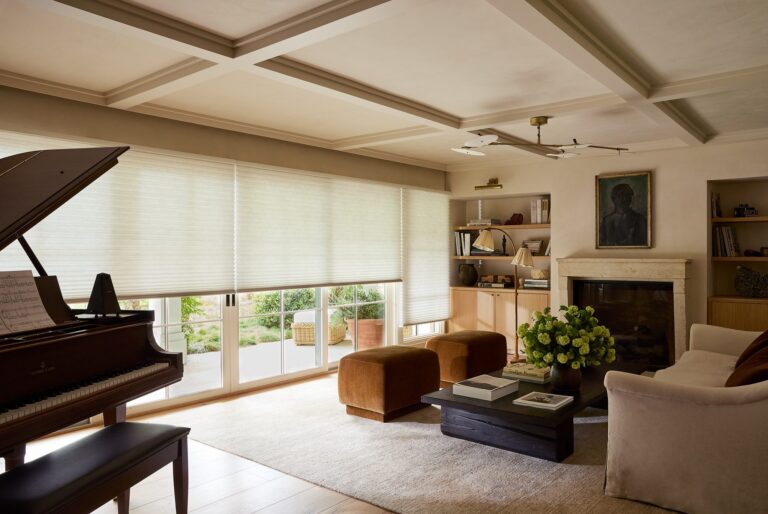
Substantial home upgrade benefits for energy rebates and resale value emerge when properties eliminate draft zones between distinct floors. Adding PowerView® Motorized Drapery creates an insulating boundary over large expanses of glass each evening, containing furnace output inside during cold Edmonton winters. For bedrooms requiring deep sleep environments, combining motorized honeycomb profiles with proprietary LightLock® side channels eliminates all exterior street light and early summer dawn glare.
- Solar Radiation Control: Shades lower autonomously during peak daylight hours, shielding valuable flooring materials and furniture fabrics from ultraviolet damage while limiting internal heat accumulation.
- Zone Balancing: Networked treatments align with smart climate controls to equalize room temperatures across two-story layouts, resolving uneven cooling loads between basement and upper levels.
- Calculated Heat Retention: Motorized textiles close automatically when outdoor temperatures drop below set thresholds, preventing radiant energy loss through exposed glass.
Real Investment Costs And Energy Integration For Automated Window Coverings
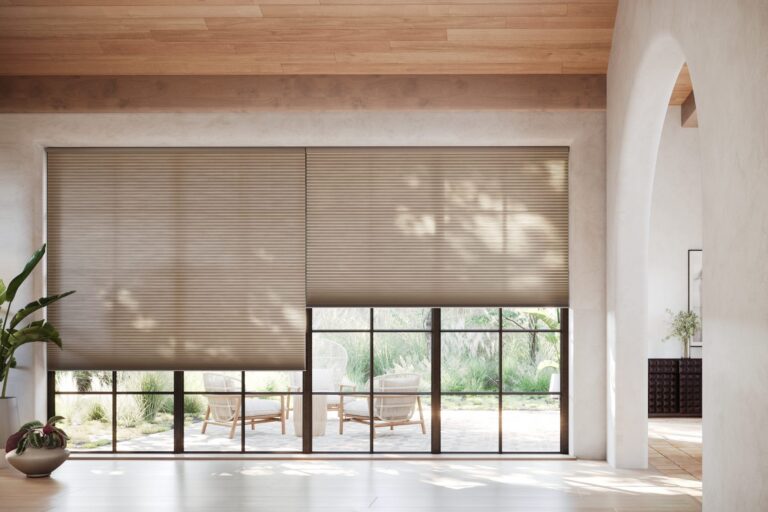
PowerView® Automation systems combined with honeycomb treatments deliver measurable thermal barrier improvements across the Greater Edmonton region, with total project budgets typically ranging from $1,800 to $9,050 depending on glass dimensions, fabric construction, and motor configurations. Homeowners investing in Duette® cellular shades secure immediate heat retention benefits during sub-zero Alberta winters alongside automated solar deflection throughout bright summer afternoons.
Regional Project Investment Breakdown
Window counts, pleat depths, and specialized cellular fabrics shape final installed pricing for motorized shades across local communities:
| Product Setup | Fabric Style & Opacity | Rooms Fitted | Community | Control System | Installed Price Range |
|---|---|---|---|---|---|
| Duette®, 5 windows | Journal textured light-filtering | Three Bedrooms | Sherwood Park | PowerView® Automation | $3,900 to $4,000 |
| Duette®, 5 windows | Architella® Elan 3/4-inch Room Darkening Linen | Primary Suite | Sherwood Park | PowerView® Automation | $8,950 to $9,050 |
| Duette®, 4 windows | Indigo Mood semi-opaque | Primary Suite | Sherwood Park | PowerView® Automation | $2,100 to $2,200 |
| Duette®, 2 windows | Architella® Elan 3/4-inch Room Darkening Daisy White | Primary Bedroom and Ensuite | Morinville | PowerView® Automation | $2,200 to $2,300 |
| Duette®, 5 windows | Moonstruck dual-light balance | Two Bedrooms and Living Room | Edmonton | LiteRise® with Duolite® dual-fabric systems | $1,800 to $1,900 |
Synchronizing Motorized Coverings With Smart Climate Technology
Connecting motorized window shades directly to a central smart management hub prevents internal temperature swings caused by Alberta weather extremes. Automated daily routines lower insulating pockets across south-facing glass prior to intense midday heat and lift them on clear winter mornings to pull in free passive solar warmth.
- Smart Thermostats: Integrating shade movements with programmable climate controls reduces furnace and air conditioner runtimes by holding stable ambient temperatures near exterior glass walls.
- Automated Lighting Networks: Daylight sensors lower overhead electrical draws by raising fabric shades during peak exterior brightness.
- Connected Security Platforms: Synchronized shade timers replicate daily occupancy patterns while families travel, providing active privacy management.
High Return Interior Renovations That Increase Market Appraisal
Kitchen updates yield a return between 70% and 80% on initial investment upon sale, ranking focused indoor improvements among the fastest ways to build residential equity. Choosing custom residential blinds alongside water-saving fixtures and contemporary cabinets proves to house hunters across Edmonton that a property has been thoroughly maintained. Data from ENERGY STAR® demonstrates that sealing leaky glass surfaces reduces annual heating and cooling expenses by roughly 12%, introducing verifiable utility savings that appeal directly to property appraisers and prospective purchasers.
Substantial equity returns depend on pairing thermal barriers with polished design across everyday family zones. Installing Hunter Douglas® window treatments cuts winter air leakage and shields floors from fading without demanding costly drywall alterations. Hanging tailored Blind Magic custom drapery removes harsh reflections on screens while granting listing photography a balanced aesthetic that stands out on the local MLS.
| Improvement Type | Estimated Return Rate | Valued Features |
|---|---|---|
| Kitchen Overhauls | 70% – 80% | Quartz counters, efficient cooking appliances, task illumination |
| Bathroom Updates | 60% – 70% | EverWood® Faux Wood moisture-tolerant blinds, water-saving plumbing, clean tiling |
| Window Insulating Systems | 65% – 75% | Honeycomb cellular fabrics, child-safe cordless lifts, solar reflection |
| Exterior Refresh | 55% – 70% | Weather-sealed doors, matched glass sidelight treatments, new siding panels |
Edmonton Grants and Financing for Thermal Window Upgrades
Installing high-performance window coverings lowers residential heating demands during severe sub-zero cold snaps. Data from ENERGY STAR® demonstrates that addressing heat transfer through exterior panes lowers typical household heating bills by roughly 12 percent. In established Edmonton communities where winter drafts cause persistent chill, exterior temperatures routinely plunge past -15°C. Uninsulated glass creates continuous demand on natural gas heating equipment, forcing furnaces to cycle indefinitely unless protected by a proper thermal boundary.
Rather than undertaking costly full-frame glass replacements right away, property owners can mount insulated honeycomb shades or thick layered drapery to block conductive loss across exposed glass. Choosing ALTA Window Fashions® cellular blinds adds structured hexagonal chambers that trap dead air, establishing an insulating buffer against cold exterior panes. Combining these high-R-value shades with regional efficiency programs accelerates your return on investment and maintains steady warmth through mid-winter freezes.
Available Efficiency Programs and Renovation Credits
Securing available energy-efficient window coverings alongside local grant frameworks substantially reduces total installation expenditures. Edmonton households can tap into multiple public and municipal funding options:
- Clean Energy Improvement Program (CEIP): Run alongside the City of Edmonton, this property-assessed clean energy program offers competitive, long-term financing repaid through regular property taxes, tying the improvement capital to the building rather than personal credit lines.
- Alberta Provincial Efficiency Incentives: Periodic regional retrofit initiatives supply cash rebates to offset qualifying residential insulation upgrades and window enhancements across Alberta.
- Multigenerational Home Renovation Tax Credit (MHRTC): Eligible Canadian taxpayers building dedicated suites for qualifying seniors or adults with disability tax status can record qualifying improvement expenses under this federal credit mechanism.
Federal Tax Credits and Renovation Programs for Home Upgrades
Federal tax incentives lower the true price tag of residential renovations by returning capital directly on annual filings. Monthly power bill drops create long-term savings, but tax relief offsets upfront material and labor costs in the specific year a project finishes. Coordinating energy-efficient home upgrades alongside accessibility adaptations allows Edmonton homeowners to combine lower operating expenses with municipal and federal relief.
| Tax Credit Program | Eligible Renovation Scope | Financial Relief Value |
|---|---|---|
| Multigenerational Home Renovation Tax Credit (MHRTC) | Building a self-contained secondary living unit with a dedicated entrance, full kitchen, and bathroom for an eligible senior relative or adult qualifying for disability tax relief. | 15% refundable tax credit on project expenditures up to $50,000 (reaching a maximum $7,500 benefit). |
| Home Accessibility Tax Credit (HATC) | Permanent structural alterations that decrease hazard risks, improve personal mobility, or assist daily physical function for qualifying occupants. | 15% non-refundable tax credit on up to $20,000 of qualifying yearly invoices (yielding up to $3,000 in direct tax relief). |
| Municipal and Provincial Efficiency Programs | Documented exterior thermal boundary upgrades, advanced window retrofits, and building-envelope insulation improvements. | Upfront cash grants or property-assessed clean energy loans based on current local application timelines. |
Property enhancements scheduled alongside larger secondary-suite construction or senior mobility improvements assist families in claiming multiple financial programs during one calendar year. Integrating motorization through Hunter Douglas® window coverings helps satisfy accessibility objectives by removing manual reach requirements across difficult openings, while insulated cellular materials concurrently stem thermal transfer through outer window assemblies.
Thermal Window Covering Retrofits For Historic Edmonton Properties
Sub-zero conditions below -15°C routinely pull indoor warmth straight through legacy glazing in mature neighbourhoods across Edmonton. Securing proven home upgrade benefits starts at the glass line, where Blind Magic installs insulated window treatments that seal in conditioned indoor air and decrease monthly heating expenses without requiring disruptive frame teardowns.
Through professional custom window measuring services, our technicians eliminate perimeter drafts around skylights, bay windows, and architectural arches that standard off-the-shelf blinds fail to cover correctly.
| Retrofit Solution | Core Efficiency Advantage | Best Property Application |
|---|---|---|
| Cellular Honeycomb Shades | Reduces conductive heat loss to lower heating demands | Older residences featuring single-pane or clear double-pane windows |
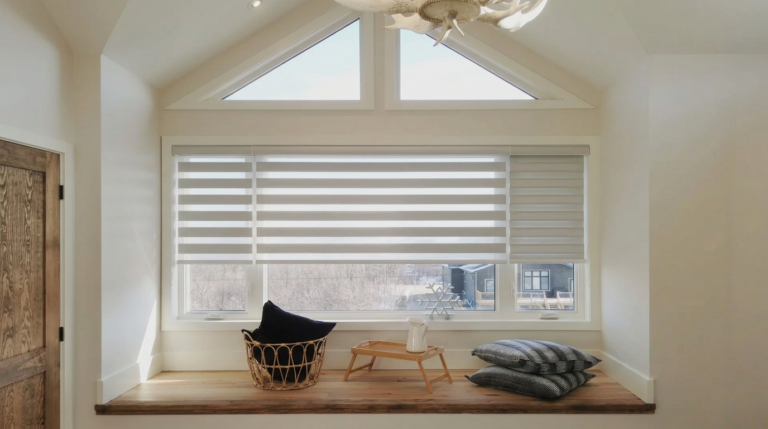
| Motorized Automated Shades | Regulates passive solar heat according to daily sun cycles | Hard-to-reach clerestory windows, tall vaulted rooms, and skylights |
| Precision-Fit Fabric Coverings | Blocks side-edge drafts while updating living spaces | Bow windows, angled glass, and oversized main-floor picture windows |
| Mechanical Hardware Restoration | Restores full operating function while reducing environmental waste | Valuable older window treatments needing new cords, brackets, or motors |
Checking the current blind repair and parts pricing gives homeowners an economical path to renew their existing Hunter Douglas® assemblies or motorized shades by replacing broken cords, tilt gears, and wall mounts instead of buying new stock.
Thermal Performance and Value Ratings for Window Coverings
Installing insulated custom window coverings curtails annual power consumption while increasing overall market appeal for Edmonton residences. Research from ENERGY STAR® shows that sealing perimeter thermal gaps and improving glass performance lowers household energy bills by as much as 12%. Because local weather shifts rapidly between sub-zero winters and sunny summers, homeowners gain measurable financial returns by matching window styles to solar exposure, moisture, and daily usage patterns.
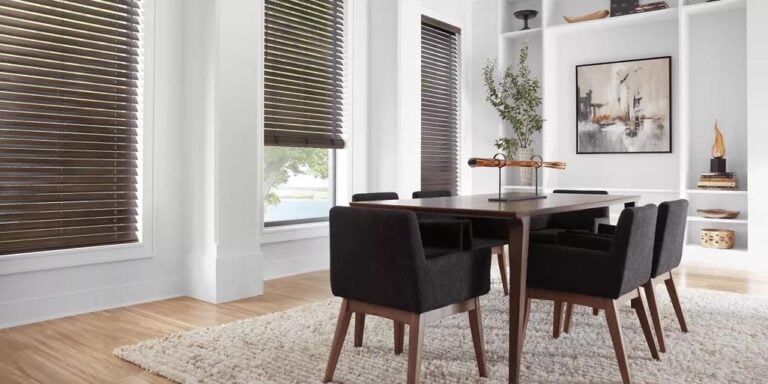
High-humidity zones demand specialized construction materials to protect long-term property improvements. Moisture-proof Hunter Douglas® EverWood® faux wood blinds maintain structural stability inside damp laundry areas and primary bathrooms without bowing or splitting. For extensive whole-home projects, Alta Window Fashions® delivers versatile light control and cordless safety profiles tailored to practical renovation budgets.
| Product Category | Recommended Placement | Budget Level | Primary Energy and Resale Advantage |
|---|---|---|---|
| Hunter Douglas® Cellular and Roman Shades | Living spaces, primary suites, and draft-prone glass | Mid to High | Traps interior air within cellular barriers to stop winter conduction and reject summer heat. |
| Alta Window Fashions® Blinds and Shades | Living rooms, basements, and multi-room projects | Low to Mid | Provides cordless operation and extensive fabric patterns at a modest upgrade cost. |
| Motorized Automated Shades | Tall clerestory glass and hard-to-access frames | Mid to High | Syncs with automated home systems to block harsh ultraviolet rays during peak daylight hours. |
| Composite Faux Wood Blinds | Full bathrooms, kitchens, and wash areas | Low to Mid | Resists heavy humidity, steam, and surface condensation without chipping or warping. |
FAQ
Review the table below to discover how targeted window coverings maximize home upgrade benefits for energy rebates and resale value. This guide addresses common questions regarding local efficiency incentives, property appraisals, and long-term utility savings.
| Question | Answer |
|---|---|
| Which window coverings qualify for energy efficiency incentives in Edmonton? | Cellular honeycomb shades with verified thermal ratings and automated solar control systems most frequently meet local efficiency grant benchmarks. If your project pairs insulated shades with low-E window replacements, municipal initiatives like the Clean Energy Improvement Program (CEIP) in Edmonton, Alberta can help finance the installation costs through property tax assessments. Always secure manufacturer technical specification sheets before ordering to verify heat retention ratings for local rebate auditors. |
| How do insulated window treatments increase home appraisal values for local sellers? | Appraisers and buyers in Edmonton, Alberta look for permanent fixtures that reduce long-term heating expenses during sub-zero winter temperatures. Custom honeycomb blinds and lined thermal drapery convey with the real estate, providing a clean, move-in-ready aesthetic that eliminates immediate decorating costs for the next owner. Documented utility savings combined with durable, high-grade materials strengthen property listings over homes featuring bare windows or temporary aluminum mini-blinds. |
| Can smart motorized blinds produce better utility savings than manual alternatives? | Motorized shades maximize thermal efficiency by following programmed schedules aligned with seasonal sun angles in Edmonton, Alberta. Programming cellular shades to rise during sunny winter afternoons captures passive solar heat, while lowering them at dusk creates an immediate barrier against nighttime drafts. If you want consistent temperature regulation without manual adjustments, automated systems ensure windows stay sealed during peak cold periods. |
| Should rental property owners install custom cellular shades to improve returns? | Landlords in Edmonton, Alberta gain durable window coverings that cut tenant heating complaints and protect flooring from severe ultraviolet fading. While basic vinyl blinds break easily and require frequent replacement between tenant turns, well-built cellular treatments withstand daily use while stabilizing interior room temperatures. Lower operational turnover coupled with lower heating costs makes energy-efficient window upgrades an effective path to higher tenant retention and stronger rental yields. |