
Answer
Investing in tailored solarium blinds and shade options for sunrooms and glass rooms is essential for managing persistent glare, reducing solar heat gain, and insulating overhead glazing throughout changing seasons. The design specialists at Blind Magic outfit challenging curved eaves and expansive ceiling spans with premium residential blinds engineered to deliver precise light control and superior UV protection. Integrating automated operating systems further enhances daily comfort by letting you reposition high, hard-to-reach shades with the simple touch of a button.
Overview
Managing heat gain, ultraviolet exposure, and winter chill requires specialized hardware and fabrics designed specifically for all-glass structures. Selecting effective solarium blinds and shade options for sunrooms and glass rooms involves evaluating track systems, fabric opacities, and operating controls suited to large expanses of overhead glazing. The analysis includes a labeled real-world hypothetical featuring a local installation to demonstrate product selection and sizing constraints.
- Selection Criteria: Review the essential mechanical demands and thermal factors by evaluating key selection factors for overhead glass environments.
- Fabric Performance: Compare honeycomb insulation against view-preserving solar screens by comparing cellular shades and solar rollers across seasonal temperature shifts.
- Custom Geometry: Address compound glass curves and sloped profiles by fitting angled skylights with tensioned hardware tracks.
- Ceiling Automation: Eliminate manual reach poles on overhead spans by implementing motorized operation for automated light management.
- Real-World Example: Examine a practical scenario showing how homeowners transform your sunroom using custom track-guided shading.
Environmental Performance Criteria for Sunroom Window Treatments
Edmonton properties frequently incorporate expansive glass walls to capture natural daylight throughout cold northern winters, yet these spaces encounter elevated indoor moisture levels during intense summer heatwaves. When selecting window coverings for glass-enclosed spaces, materials must withstand severe ultraviolet radiation alongside rapid thermal shifts. Standard off-the-shelf window treatments often fail prematurely under these conditions, resulting in bowed headrails, warped slats, and bleached fabric fibers after minimal sun exposure.
Overhead panes and perimeter glass create a severe greenhouse chamber by noon, only to surrender indoor heat rapidly once outdoor temperatures drop below freezing. Installing standard residential blinds without verified thermal engineering leaves your sunroom vulnerable to extreme temperature swings. At Blind Magic, we evaluate four technical criteria to ensure shading materials remain durable and functional through every season:
- Solar Heat Control: Insulating honeycomb pockets and metallized solar backings reject incoming thermal energy through non-vented ceiling panels, lowering high indoor temperatures.
- UV Material Stability: High-performance fiberglass weaves and solution-dyed yarns preserve structural integrity and resist yellowing or brittleness caused by overhead sun exposure.
- Moisture and Mildew Resistance: Powder-coated aluminum profiles paired with non-absorbent synthetic textiles stop mildew growth caused by winter condensation along window perimeters.
- Glare Control with Daytime Visibility: Solar screen fabrics woven with a 3% to 5% openness factor cut harsh direct glare while maintaining clear sightlines into your outdoor landscaping.
For high-exposure properties bordering open greenbelts or the river valley, specialized sunroom shades deliver the structural endurance required to handle persistent solar load and seasonal humidity.
Cellular Shades Versus Solar Rollers for Temperature and Glare Control
Canada Weather data shows dramatic seasonal swings from sub-zero winters to hot summers, creating distinct indoor climate hurdles for residential glass enclosures. Our specialists at Blind Magic fit purpose-built coverings that address these exact conditions, matching fabric physics to your exposure profile.
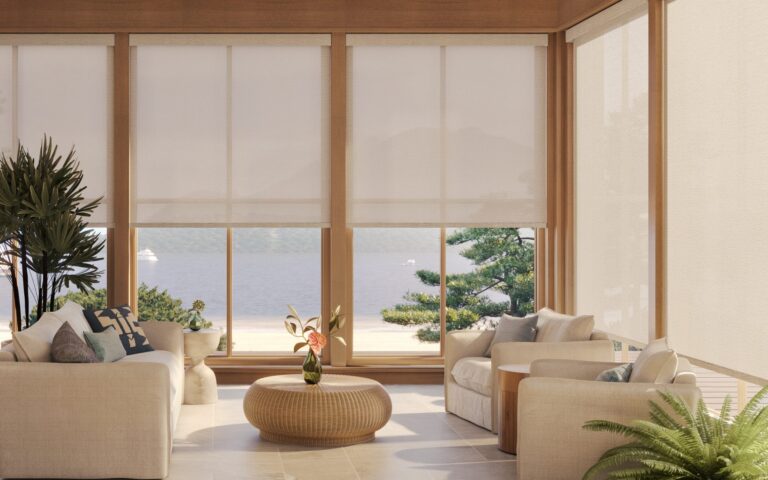
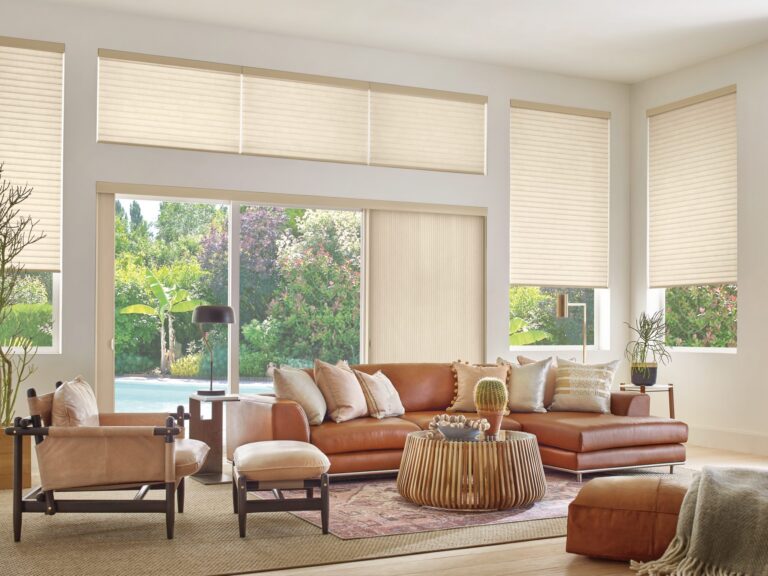
Hunter Douglas® blinds in Edmonton feature cellular honeycomb designs that capture still air inside hexagonal chambers, creating a physical buffer against outdoor temperature extremes. These insulating pockets mitigate conductive chill along expansive glass panes during deep freezes while shielding the interior from evening sightlines. When solariums face south, intense solar gain and harsh reflections can wash out screens and overheat furniture. Installing solar roller screens with tight weave patterns diffuses intense ultraviolet radiation without eliminating your line of sight to the garden outside.
| Sunroom Condition | Optimal Window Treatment | Core Performance Advantage | Alternative Consideration |
|---|---|---|---|
| Persistent cold drafts and high heating loss | Cellular honeycomb shades | Traps interior warmth within structured fabric cells | Select open screens if daytime yard views take precedence |
| Harsh glare and radiant heat gain | Low-openness solar roller shades | Blocks intense sunlight while preserving outdoor visibility | Switch to cellular pleats if full evening privacy is required |
| Irregular sloped spans and corner mullions | Precision-built custom window coverings | Eliminates light gaps along non-standard framing profiles | Avoid standard retail tracks that cannot contour to glass angles |
Honeycomb Thermal Barriers for Winter Efficiency
Glass rooms lose indoor warmth rapidly when exterior temperatures drop below freezing. Honeycomb pleats generate stagnant air zones directly against chilly glass surfaces, acting as a thermal cushion that stabilizes room conditions. Adding shop by room drapery panels over adjoining doorways or perimeter transitions adds an extra fabric barrier, stopping falling cold drafts from spreading across adjoining living areas.
Selecting Solar Screen Openness Ratings
Solar roller textiles use precise weave percentages to calibrate illumination and outward transparency. A 1% to 3% openness rating delivers maximum ultraviolet defense and glare mitigation for exposed exposures, whereas a 5% to 10% openness maintains crisper exterior clarity under moderate sunlight. Booking custom measures ensures your fabric panels mount flush against perimeter mullions, stopping unfiltered light leaks from washing across your sunroom.
Tensioned Shades for Sloped Bays and Curved Glass
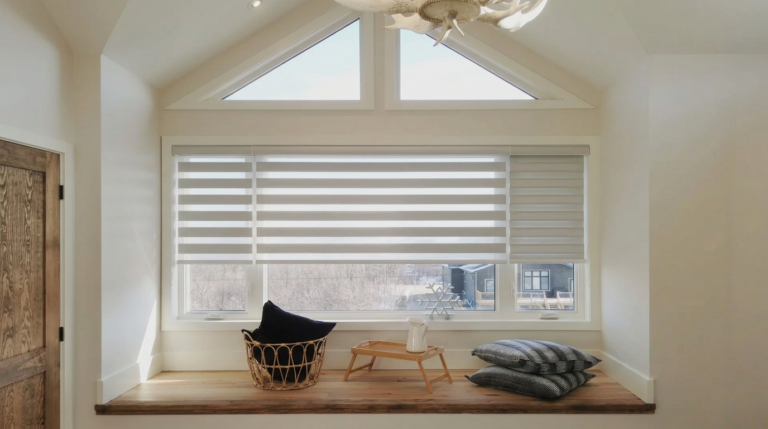
Specialty window shapes such as overhead glass bays demand specialized mechanical mounting systems. Residential architecture across Edmonton built throughout the 1970s and 1980s frequently incorporated curved solarium panels and sloped glazing. Without tensioned side-channel guide rails, unsupported shade fabrics sag downward under their own weight, leaving unsightly gaps and compromising thermal performance.
Overcoming Extreme Solarium Temperature Swings
South-facing glass enclosures experience dramatic microclimate swings across northern seasons. Intense solar radiation builds up during prolonged summer afternoons, followed by sharp convective heat loss through the glass during sub-zero winter spells. Property owners evaluating solarium blinds and shade options for sunrooms and glass rooms must counter these harsh thermal shifts without blocking natural daylight.
Precise custom measures allow us to map the exact incline, radius, and frame depth of non-standard glass sections before fabrication begins. When clients like Diane in Edmonton look to replace aging coverings on vintage sloped bays, choosing between screen textiles and insulating honeycomb structures depends on seasonal priorities:
- Cellular Honeycomb Shades: Traps air inside internal pockets to establish a thermal barrier against severe winter cold while diffusing midday glare.
- Solar Screen Rollers: Blocks UV radiation and reduces surface heat gain while preserving outdoor sightlines.
- Tensioned Channel Hardware: Keeps textile panels rigid parallel to the glass at any slope or pitch.
PowerView® motorized automation adjusts hard-to-reach angled spans at scheduled intervals, keeping shading materials taut against glass frames to ensure uninterrupted climate control and glare protection all year.
Automated Controls for Overhead Solarium Glass
Overhead glass structures trap heat rapidly, making manual adjustments exhausting when sun exposure shifts throughout the afternoon. While small solariums with one accessible skylight work fine with hand-held poles, taller enclosures demand smarter operation. Integrating PowerView® Motorized Drapery on perimeter walls alongside automated ceiling tracks lets you manage light and heat across the whole space with one tap.
Deciding Between Manual Poles and Motorization
Choosing your control mechanism comes down to architecture and daily routine:
- Assess Height and Physical Obstacles: Deep lounge chairs or indoor plants often block the path beneath skylights. If standing directly under a glass section requires moving heavy furniture, manual poles quickly become impractical.
- Tally the Total Glass Panes: Raising four or more separate ceiling treatments twice a day consumes considerable effort. Automated drive motors handle wide arrays simultaneously.
- Determine Power Sources: You can select continuous solar trickle charging panels mounted to the frame, concealed rechargeable batteries, or direct low-voltage wiring depending on your mullion depth.
- Coordinate Lower Glass Windows: Pairing overhead tracks with Hunter Douglas Blinds Edmonton installations on vertical panes creates a uniform look while balancing privacy and glare control.
- Set Daily Automation Schedules: Modern systems reposition slats according to seasonal sun angles automatically, keeping solarium temperatures balanced even when you leave the house.
Custom Solarium Blinds and Precision Shading by Blind Magic
Edmonton experiences extended daylight hours through June and July, with the sun lingering past ten o’clock at night. According to daylight tracking data from official Alberta records, northern latitudes endure intense multi-hour solar angles that overheat unshaded residential glass additions throughout the afternoon before temperatures plummet sharply at dusk. Blind Magic manufactures custom treatments configured to balance incoming illumination, shield interiors from ultraviolet radiation, and steady ambient room conditions year-round.
Recommended Coverings by Solarium Configuration
Selecting the right treatment depends directly on exposure angles, glazing efficiency, and wall design:
-
Hunter Douglas® window treatments with honeycomb cellular architecture trap insulating air pockets directly against single-pane glass, blocking winter drafts while slowing extreme summer thermal gain.
-
Durable solar screen rollers reject blinding glare while keeping outdoor sightlines completely open for late-afternoon dining.
-
Selecting tailored solutions via our specialty window shape options provides side-channel tensioned tracks that eliminate fabric sagging across sloped roof panes and curved transitions.
-
Automated overhead systems operating on PowerView® automation coordinate motorized ceiling panels alongside matching wall coverings to deflect radiant heat automatically as sun angles shift.
-
Thick side drapes combined with horizontal blinds absorb echoing chatter off hard panes while blocking evening neighborhood views.
West-facing sunrooms benefit most from dual-function screens that filter low-angle glare as daylight fades. For structural additions built with thin glass or steep framework, track-guided cellular materials seal perimeter edges tightly, halting draft infiltration far better than freely suspended shades.
FAQ
To help you select the right setup for your space, the guide below addresses common technical questions about solarium blinds and shade options for sunrooms and glass rooms. Explore the details on fabric performance, mounting requirements, and operating mechanisms to find the best fit for your glazed enclosure.
| Question | Answer |
|---|---|
| Which fabric openness factor works best to block Edmonton sunroom heat while keeping the outdoor view? | A 3% to 5% solar screen fabric blocks intense summer glare while maintaining a clear view of your yard. If your sunroom faces south or west, choose a 1% openness factor or a reflective backing to stop intense afternoon heat buildup. |
| How do tensioned track systems prevent shades from sagging on curved or sloped glass ceilings? | Side channels and continuous tension cables hold the fabric tight against the glass frame regardless of the slope angle. This prevents sagging on overhead panes and stops drafts from pushing the shades out of alignment during windy weather in Edmonton. |
| Can manual crank systems handle overhead glass panels, or is motorization necessary? | Manual wand or crank controls work well for reachable vertical side panes, but overhead roof glass creates awkward reach angles and heavy friction. If your glass room features high pitched ceiling panels, automated motors eliminate the physical strain of operating long manual cords. |
| What mounting clearance is required for solarium shades on metal sunroom frames? | Most custom tracks require at least one to two inches of bracket depth along the aluminum mullions to clear window latches and structural rafters. Surface mounts provide a secure hold when shallow frame profiles in local Edmonton sunrooms cannot accommodate a recessed bracket. |