

Understanding Your Window Treatment Options
Choosing the right window treatments involves understanding how they manage light and privacy, with the core distinction often falling between light filtering and room darkening options. These categories dictate not only the ambiance of a room but also its functionality, impacting everything from sleep quality to energy efficiency. Selecting between them is a crucial step in creating your ideal living space, and understanding their fundamental differences is key to making an informed decision.
Light filtering treatments allow a softened, diffused light to enter a room, offering a pleasant glow while still providing a good level of privacy. On the other hand, room darkening treatments are designed to significantly block out external light, creating a much darker environment. This fundamental difference in light management is the primary factor when comparing these two popular window covering styles, and you can learn more about whether blackout shades are worth it for your needs.
Navigating the world of window coverings can be complex, but by understanding the core purposes of each type, you can better tailor your choices to your specific needs. This guide will delve into the specifics of light filtering and room darkening options, exploring their unique benefits and helping you determine which is best suited for each area of your home. For a broader overview of modern window treatments, explore our modern window treatments guide.
Understanding Light Filtering Shades
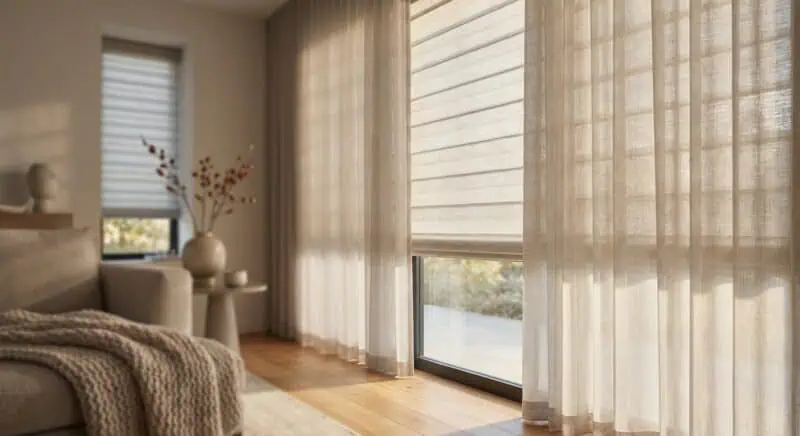
Light filtering shades are designed to gently diffuse sunlight, transforming harsh rays into a soft, ambient glow. They are an excellent choice for spaces where you want to maintain a bright and airy feel without sacrificing privacy. These shades effectively block direct views from the outside during the day, making them suitable for living rooms, dining areas, and home offices.
The primary function of light filtering shades is to reduce glare and soften the incoming light, creating a more comfortable atmosphere. They allow natural light to permeate the room, contributing to a cheerful and welcoming environment. While they allow light to pass through, they do so in a way that prevents the harshness of direct sunlight, offering a balanced approach to natural illumination.
Key benefits of light filtering shades include their ability to reduce UV damage to furniture and flooring, enhance privacy, and contribute to a sense of spaciousness. They are a versatile option that complements various décor styles. For more details on their specific applications and benefits, consult our comprehensive guide to light filtering shades, and explore options for enhanced privacy with top-down bottom-up blinds.
Understanding Room Darkening Shades
Room darkening shades are engineered to significantly reduce the amount of light entering a room, creating a much darker environment than light filtering options. Their primary purpose is to block out external light sources, making them ideal for bedrooms, media rooms, or any space where light control is paramount.
These shades achieve their effect through denser materials and tighter construction, minimizing light leakage around the edges. While they don’t necessarily block 100% of light like true blackout shades, they offer a substantial reduction in illumination. This makes them a popular choice for improving sleep quality and enhancing the viewing experience in home theaters.
The effectiveness of room darkening shades in blocking light makes them a practical solution for various needs. For those seeking maximum light blockage, exploring options like blackout shades or the even more effective blackout shades is recommended. Understanding the nuances of these options is key to achieving your desired level of darkness.
Key Differences: Light Filtering vs. Room Darkening
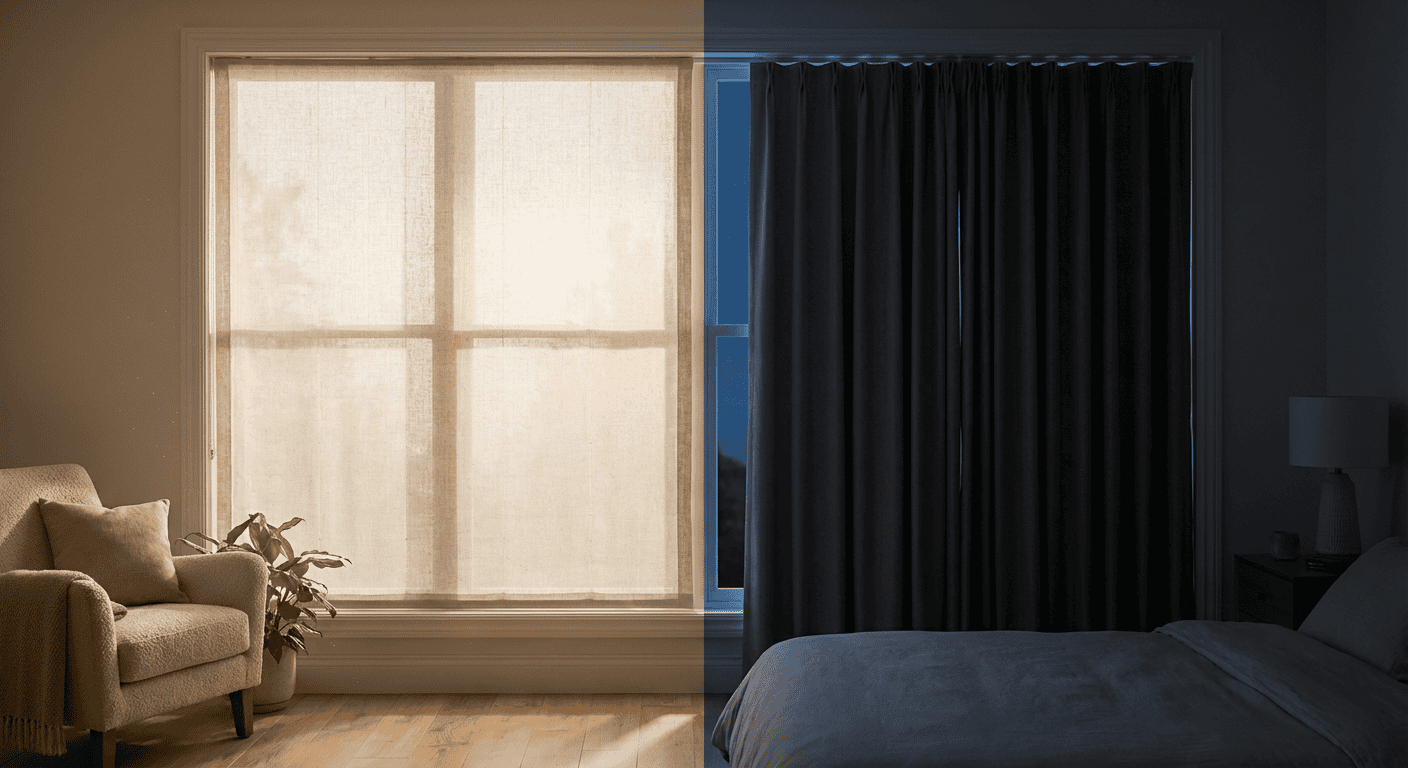
The fundamental difference between light filtering and room darkening shades lies in their ability to control light. Light filtering shades allow diffused light to pass through, creating a soft ambiance, while room darkening shades are designed to block a significant amount of light, offering a darker interior.
- Light Transmission: Light filtering shades allow a noticeable amount of light to enter, softened and diffused. Room darkening shades block most light, allowing only minimal light to seep through.
- Privacy: Both offer privacy, but light filtering shades provide it by obscuring direct views through diffused light. Room darkening shades offer superior privacy due to their light-blocking capabilities, preventing silhouettes from being seen.
- Ambiance: Light filtering shades create a bright, airy, and comfortable atmosphere. Room darkening shades create a subdued, darker environment, ideal for sleep or media consumption.
- Light Blockage: Light filtering shades do not significantly reduce the overall brightness of a room. Room darkening shades substantially reduce room brightness, making them suitable for environments needing minimal light.
- Energy Efficiency: While both can offer some energy efficiency benefits by insulating windows, the specific materials and construction play a larger role than the light-filtering capability alone. For more on this, see our guide to maximizing energy savings with efficient blinds.
Choosing between them depends on the intended use of the room. For living areas where natural light is desired, light filtering shades are often preferred. For bedrooms or media rooms where darkness is essential, room darkening or blackout options are more suitable. Understanding these distinctions is vital for making the right choice, as detailed in our guide on what is the difference between light filtering and room darkening shades and a general comparison of light filtering versus room darkening.
When to Choose Light Filtering Shades
Light filtering shades are an excellent choice for rooms where you want to maximize natural light while maintaining a comfortable and private atmosphere. They are perfect for living rooms, dining rooms, kitchens, and home offices where a bright, welcoming environment is desired. For a wide selection of these and other window treatments, explore our residential blinds in Edmonton.
These shades offer a balance between illumination and privacy, allowing diffused sunlight to enter without harsh glare. This creates a pleasant ambiance suitable for everyday activities, from reading to entertaining guests. They also help reduce UV exposure to your furnishings, protecting them from fading over time.
- Living Areas: Ideal for creating a bright and inviting space for family and guests.
- Home Offices: Reduces screen glare while providing natural light for productivity.
- Dining Rooms: Enhances the dining experience with soft, diffused light.
- Entryways/Hallways: Offers privacy while allowing welcoming natural light.
- General Daytime Use: Perfect for any room where you want light without direct sun intensity.
If you’re looking to maintain a bright, airy feel in your home, light filtering shades are a superb option. Explore our selection of light filtering shades and compare them with their counterparts in our light filtering blinds vs. room darkening blinds comparison.
When to Choose Room Darkening Shades
Room darkening shades are the ideal solution for spaces where controlling light is a top priority, such as bedrooms, nurseries, and media rooms. They are designed to significantly reduce the amount of light entering the room, creating an environment conducive to sleep and relaxation.
By blocking out most of the external light, these shades can improve sleep quality, especially for those sensitive to light or working irregular hours. They also enhance the viewing experience in home theaters or media rooms by minimizing reflections on screens.
Consider room darkening shades for:
- Bedrooms
- Nurseries
- Home theaters
- Media rooms
- Any space requiring maximum light control
For more information on specific brands and their offerings, you can check out our guide to Hunter Douglas shades.
- Bedrooms: To ensure uninterrupted sleep by blocking out morning sun and streetlights.
- Nurseries: To help infants and toddlers nap more easily during the day.
- Media Rooms/Home Theaters: To improve picture quality by reducing ambient light and glare.
- Guest Rooms: To provide guests with a comfortable and dark environment for rest.
- Rooms Facing Bright Streetlights: To mitigate light pollution and ensure darkness.
For detailed information on how these shades function and their specific benefits, you can refer to guides comparing light filtering vs. room darkening for bedrooms and a general overview of room darkening vs. light filtering.
Beyond Light Filtering and Room Darkening: Blackout Shades
While light filtering and room darkening shades offer distinct levels of light control, it’s important to recognize that there’s another category designed for maximum light blockage: blackout shades. These are often considered the ultimate solution for creating a completely dark environment.
Blackout shades are engineered to block virtually 100% of external light. This is achieved through specialized materials and construction that leave no gaps for light to penetrate. They are the go-to choice for situations demanding the deepest level of darkness. To learn more about the benefits of blackout shades, check out our guide on whether blackout shades are worth the investment.
These shades are particularly beneficial for creating optimal sleeping conditions, enhancing the performance of home theaters, or for any space where complete light elimination is required. While room darkening shades significantly reduce light, blackout shades take it a step further. For more on this ultimate light-blocking option, explore our resources on blackout blinds and discover if blackout shades are worth it for your needs.
Factors to Consider When Choosing
Selecting between light filtering and room darkening shades involves evaluating several key factors that influence your home’s comfort, functionality, and aesthetic. Understanding these elements will help you make the most informed decision for each specific room.
When making your choice, consider the primary function of each room. For living areas, light filtering might be preferred for its natural light benefits. For bedrooms or media rooms, room darkening is likely the better option. Our comparison of pros and cons of light filtering vs. room darkening blinds and light filtering blinds vs. room darkening blinds can provide further insight.
Answering Your Top Questions
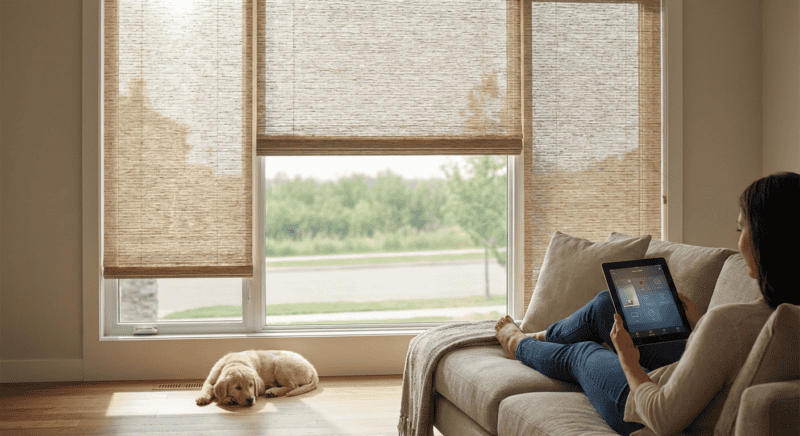
Understanding the differences between light filtering and room darkening shades can raise several questions. Addressing these common queries can help clarify your choices and ensure you select the best window treatments for your home. For instance, if you’re interested in smart home integration, explore our guide to smart living motorized blinds for effortless control.
Many homeowners wonder about the level of privacy each type offers. While both provide privacy, room darkening shades offer superior concealment due to their light-blocking capabilities. Light filtering shades offer good daytime privacy by obscuring direct views through diffused light.
Another frequent question is about energy efficiency. Both types of shades can contribute to energy savings by providing an extra layer of insulation against heat and cold. However, the specific materials and construction methods play a significant role in their overall efficiency. For more detailed comparisons, explore light filtering versus room darkening and light filtering shades vs. room darkening shades.
Making the Right Choice for Your Home
Ultimately, the decision between light filtering and room darkening window treatments hinges on your specific needs and the intended function of each room. Our team has observed that homeowners often prioritize different light control levels for various spaces within their homes. For instance, consider exploring maximize energy savings with efficient blinds to further enhance your home’s comfort and reduce utility costs.
For example, living rooms and kitchens often benefit from the bright, diffused light that light filtering shades provide, enhancing the sense of openness and warmth. In contrast, bedrooms and media rooms typically require the deep darkness that room darkening shades offer, promoting better sleep and an immersive viewing experience.
Consider the daily activities in each room, the direction it faces (e.g., east-facing rooms might need more light control for morning sun), and your personal preferences for natural light. Consulting resources like our guide on light filtering vs. room darkening and learning about modern window treatments can help you tailor the perfect solution for every space.
Conclusion: Your Guide to Light Filtering vs. Room Darkening
In summary, the choice between light filtering and room darkening window treatments is a significant one that impacts the comfort, privacy, and overall ambiance of your home. Light filtering shades offer a soft, diffused light ideal for bright, everyday living spaces, while room darkening shades provide substantial light blockage for environments requiring darkness, such as bedrooms and media rooms.
By carefully considering the purpose of each room and your personal preferences for natural light, you can confidently select the window treatments that best suit your needs. Remember to explore resources like light filtering blinds vs. room darkening blinds to further refine your understanding and make an informed decision for your home.
We hope this comprehensive guide has illuminated the differences between light filtering and room darkening shades, empowering you to create the perfect atmosphere in every room. For a broader understanding of window covering options, consult our extensive window fashion guide.