



Understanding Wood vs. Faux Wood
Deciding between wood blinds vs faux wood for your home involves weighing several factors, from aesthetics to durability and maintenance. Both options offer distinct advantages, making the best choice dependent on your specific needs and the environment of the room.
Real wood blinds provide a classic, natural appeal that enhances traditional and contemporary decors alike. Faux wood, on the other hand, mimics this look while offering enhanced resilience, particularly in areas with high humidity or frequent temperature fluctuations.
This guide will explore the core differences, helping you understand which material will best serve your home’s style and functional requirements. For a direct comparison, you can also review our guide on real wood vs faux wood blinds for more.
What Are Real Wood Blinds?
Real wood blinds offer a classic and elegant window treatment solution, crafted from natural timber. They are highly valued for their authentic aesthetic, bringing warmth and a sophisticated feel to any room. Unlike their synthetic counterparts, these blinds showcase the unique grain patterns and textures inherent in natural wood, making each set distinct.
The appeal of real wood blinds lies in their ability to enhance interior decor, providing a timeless look that complements various design styles, from rustic to contemporary. When considering wood blinds vs faux wood options, many homeowners prioritize the genuine beauty and character that only natural materials can provide, a topic explored further in our comparison of cellular shades vs faux wood.
These blinds are often chosen for living areas, dining rooms, and bedrooms where a refined ambiance is desired. However, their natural composition also dictates certain considerations for their placement and care.
Material Properties and Aesthetic Value
Real wood blinds are typically made from durable hardwoods like basswood, cherry, or oak. The natural variations in wood mean that no two slats are exactly alike, offering a unique visual depth that manufactured materials cannot fully replicate. This inherent beauty makes them a premium choice for those seeking a distinguished look, and for proper installation, you can consult our blinds curtains installer guide.
Beyond their visual appeal, real wood blinds also offer practical benefits. They provide excellent insulation, helping to regulate indoor temperatures and potentially reduce energy costs. Their solid construction also contributes to sound dampening, creating a quieter, more comfortable living space. For a different operational style, consider learning about bottom up blinds and their unique advantages.
Suitability for Home Environments
For a comprehensive comparison of materials, explore our guide on real wood vs faux wood blinds to make an informed decision for your home. If you need assistance with installation, consider consulting with a professional blinds curtains installer.
While aesthetically pleasing, real wood blinds are best suited for environments with stable humidity levels. Areas like living rooms, bedrooms, and home offices are ideal locations where these blinds can thrive without the risk of warping or cracking due to excessive moisture.
Conversely, it is generally advised to avoid installing real wood blinds in high-humidity areas such as bathrooms, kitchens, or laundry rooms. The natural wood can absorb moisture, leading to expansion, warping, or even mildew growth over time. This crucial distinction often guides homeowners when deciding between wood blinds vs faux wood for specific rooms.
The weight of real wood blinds is also a factor, particularly for larger windows. While they are lighter than faux wood, very wide installations might require extra support or consideration for ease of operation.
Exploring Faux Wood Blinds
Faux wood blinds offer a practical and attractive alternative to natural wood, particularly in environments where real wood might not thrive. These blinds are crafted from durable materials like PVC or a composite of wood particles and synthetic polymers, designed to mimic the appearance of genuine timber. Their construction makes them highly resistant to common issues faced by real wood, such as warping or fading, making them a popular choice for many homeowners considering wood blinds vs faux wood options.
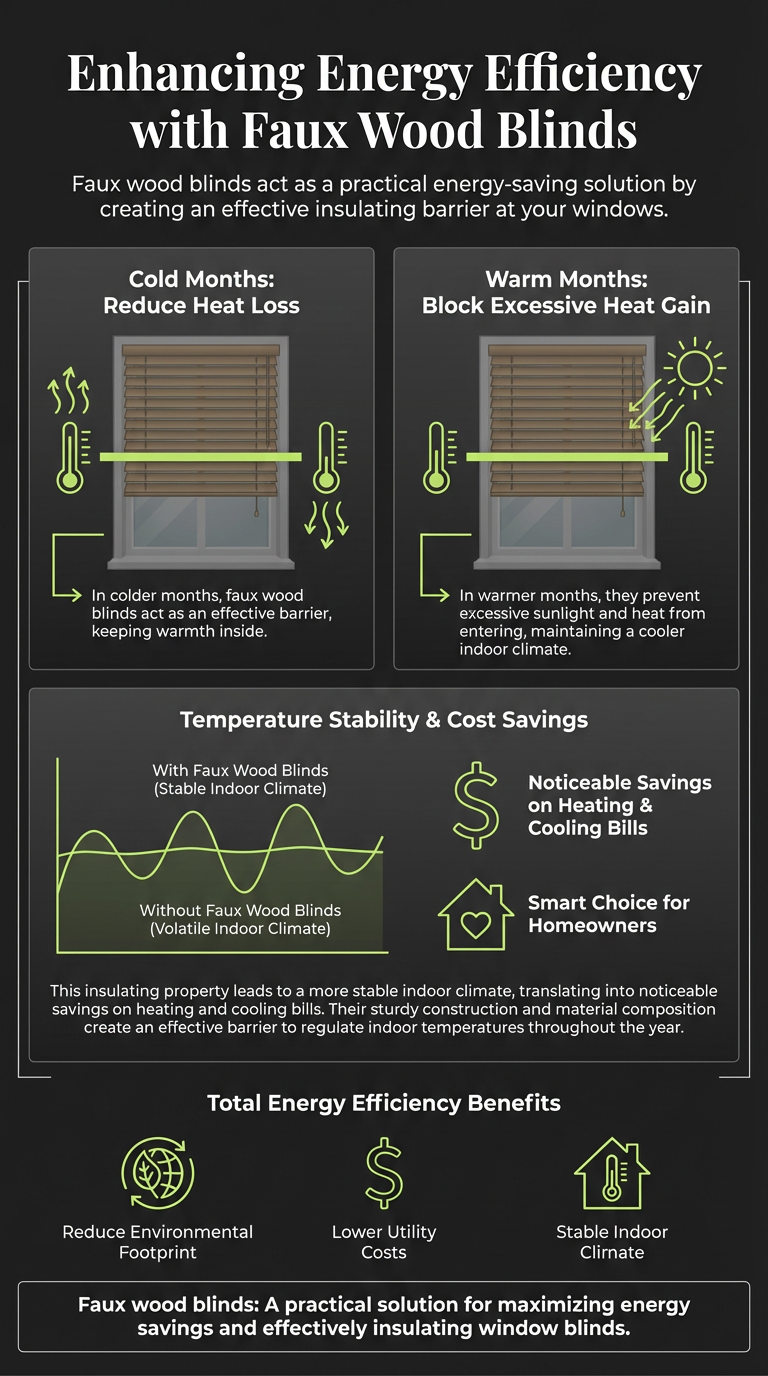
One of the primary benefits of faux wood blinds is their exceptional durability. Unlike real wood, they stand up well to moisture, making them ideal for high-humidity areas like bathrooms, kitchens, and laundry rooms. This resistance to moisture also means they won’t warp or crack over time due to fluctuating humidity levels, ensuring they maintain their aesthetic appeal and functionality for years to come. This makes them a wise long-term investment for many households.
Beyond their robust nature, faux wood blinds are also remarkably low maintenance. They can be easily cleaned with a damp cloth, requiring minimal effort to keep them looking pristine. This ease of care, combined with their resistance to fading and chipping, positions them as a practical solution for busy homeowners seeking both beauty and convenience in their window treatments.
When comparing wood blinds vs faux wood, the aesthetic versatility of faux wood is also noteworthy. Manufacturers have developed sophisticated techniques to replicate the grains and textures of various wood species, offering a wide array of finishes and colors. This allows for seamless integration into diverse interior designs, providing the warm, inviting look of wood without the specific vulnerabilities of natural materials.
For those seeking a cost-effective option without compromising on style or resilience, faux wood blinds present an excellent choice. Their ability to withstand challenging conditions and their simple maintenance routine make them a compelling alternative to real wood, providing both beauty and practicality for a wide range of applications within the home. To understand more about the differences, check out our guide on real wood vs faux wood blinds.
Key Differences: Wood vs. Faux Wood
Understanding the fundamental distinctions between wood blinds vs faux wood is crucial for selecting the ideal window treatment for your home. This section directly compares these two popular options across critical factors such as durability, moisture resistance, aesthetics, and cost. By highlighting their distinct advantages, we aim to clarify which type best suits specific needs and preferences, and what to do if you need blinds replacement parts.
Durability and Longevity
When considering wood blinds vs faux wood, durability is a primary concern for many homeowners. Real wood blinds, while beautiful, can be susceptible to warping, cracking, or fading when exposed to high humidity or direct sunlight over time. Their natural composition requires a stable environment to maintain integrity and appearance.
Faux wood blinds, typically made from PVC or a composite material, offer superior resistance to environmental factors. They are engineered to withstand moisture, humidity, and UV rays without warping, cracking, or fading. This inherent resilience contributes to their impressive longevity, making them a practical choice for various settings, especially when compared to some other shade options like the extensive Hunter Douglas shades guide.
Moisture Resistance and Maintenance
Faux wood blinds excel in environments where moisture is a concern, such as bathrooms, kitchens, and laundry rooms. Their non-porous surface makes them easy to clean and resistant to mold and mildew, unlike real wood which can absorb moisture and become damaged. For a comprehensive comparison of different blind types, you can explore our guide on real wood vs faux wood blinds.
Moisture resistance is a significant differentiator between wood blinds vs faux wood. Genuine wood, being an organic material, absorbs moisture, which can lead to damage. This makes real wood blinds unsuitable for areas like bathrooms, kitchens, or laundry rooms where humidity levels are consistently high.
Conversely, faux wood blinds excel in high-moisture environments. Their synthetic composition repels water, preventing warping or mildew growth. This characteristic also makes them exceptionally easy to clean with just a damp cloth, requiring minimal maintenance compared to real wood, which often needs specialized cleaning products and careful handling. If you need to take down your blinds for cleaning or replacement, learn how to safely remove Bali blinds from their brackets.
Aesthetic Appeal and Finish Options
The aesthetic appeal of wood blinds vs faux wood presents a nuanced comparison. Real wood blinds offer an authentic, warm, and rich appearance with natural grain patterns that add undeniable elegance and character to any room. They come in various stains and finishes, allowing them to complement existing wooden furniture or flooring. For a deeper dive into this comparison, explore our real wood vs faux wood blinds guide.
Faux wood blinds are designed to mimic the look of real wood, and modern manufacturing techniques have made them incredibly convincing. While they may not possess the unique, tactile warmth of natural wood, they offer a broader range of consistent color and finish options, including many shades of white and off-white, which are sought after for brighter, contemporary decor schemes. For a direct comparison, you can explore our guide on real wood vs faux wood blinds, or learn about top-down bottom-up privacy options.
Cost and Value Proposition
The cost difference between wood blinds vs faux wood is often a deciding factor. Generally, real wood blinds tend to be more expensive due to the natural material and the craftsmanship involved in their production. They represent a premium investment, often chosen for their classic appeal and long-term value in specific settings.
Faux wood blinds typically offer a more budget-friendly alternative without compromising significantly on aesthetics or functionality. Their lower cost, combined with their enhanced durability and ease of maintenance, provides an excellent value proposition, especially for homeowners looking for an economical yet stylish window treatment solution. For a comparison of different window treatments, you can read our Alta Roller Shades Review for more.
Where to Use Wood Blinds
When considering wood blinds vs faux wood, real wood blinds are best suited for areas where their natural beauty and warmth can truly shine, without exposure to high humidity or moisture. These blinds add an undeniable touch of elegance and sophistication to any room. For a comprehensive comparison, explore our guide to real wood vs faux wood blinds.
Their classic aesthetic makes them ideal for creating a refined ambiance. They are particularly effective in spaces designed for comfort and visual appeal. For those interested in modern convenience, consider how smart home automation can enhance your window treatments; your motorized blinds guide explains the benefits.
Living Rooms: Wood blinds complement various decor styles, from traditional to modern, making them a perfect choice for living rooms where guests are entertained and families gather. The natural grain and texture add depth and character.
Dining Rooms: For dining areas, real wood blinds can enhance the room’s formal or cozy atmosphere. They provide excellent light control, allowing you to set the perfect mood for meals and social occasions.
Bedrooms: In bedrooms, wood blinds contribute to a serene and comfortable environment. They offer privacy and can effectively block out light, promoting better sleep. The natural material also helps create a calming retreat.
Offices/Studies: A home office or study benefits greatly from the professional and sophisticated look of wood blinds. They convey a sense of gravitas and focus, making the workspace more conducive to productivity.
It’s important to avoid placing wood blinds in bathrooms, kitchens, or laundry rooms, as humidity can cause warping or fading over time. Choosing the right placement ensures the longevity and beauty of your real wood blinds.
Where to Use Faux Wood Blinds
Faux wood blinds offer a similar aesthetic to real wood but are more durable and resistant to moisture, making them suitable for a wider range of applications. For a comprehensive comparison, explore our guide on real wood versus faux wood blinds to determine which best fits your needs.
When considering wood blinds vs faux wood, faux wood blinds truly shine in environments where real wood might falter. Their composition, typically a blend of PVC and wood particles or 100% PVC, grants them exceptional resistance to moisture, heat, and humidity. This makes them a superior choice for specific areas of your home, emphasizing practicality and longevity over the natural warmth of real wood.
The resilience of faux wood blinds ensures they maintain their appearance and structural integrity even in challenging conditions. They will not warp, crack, fade, or peel due to humidity fluctuations, which is a common issue with natural wood products. This durability translates into less maintenance and a longer lifespan for your window treatments, and you can learn more about the differences in our real wood vs faux wood comparison.
- Bathrooms and Kitchens: These rooms are prime candidates for faux wood blinds due to their high humidity and potential for splashes. Unlike real wood, faux wood won’t absorb moisture, preventing warping or mildew growth.
- Laundry Rooms: Similar to bathrooms, laundry rooms often experience elevated humidity levels. Faux wood blinds offer a practical and durable solution that stands up to these conditions without degradation.
- Sunrooms and South-Facing Windows: Areas exposed to intense sunlight and heat can cause real wood blinds to fade or warp over time. Faux wood blinds are engineered to resist UV damage, maintaining their color and shape even with prolonged exposure.
- Children’s Playrooms: Faux wood blinds are generally more robust and easier to clean than real wood, making them ideal for spaces where spills and rough handling are more likely. Their resistance to damage ensures they can withstand the rigors of active play areas.
- Basements: Basements can sometimes have higher ambient humidity. Faux wood blinds provide an excellent window covering option, resisting moisture without the risk of damage associated with real wood.
Choosing faux wood blinds for these areas ensures you get the classic look of wood blinds vs faux wood's practical benefits. They provide an aesthetic appeal similar to real wood but with enhanced performance where it matters most. For more ideas on updating your home’s appearance, check out these modern window treatments for more.
Making Your Choice: Wood vs. Faux Wood
Deciding between wood blinds vs faux wood ultimately depends on your specific needs, aesthetic preferences, and the environment of the room where they will be installed. Both options offer distinct advantages that can enhance your home’s decor and functionality. For a detailed comparison, review our guide on real wood vs faux wood blinds to make an informed decision.
Consider factors like humidity levels, budget, and desired maintenance when finalizing your selection. Understanding the core differences will ensure you make a choice that brings lasting satisfaction and complements your living space.
| Feature | Wood Blinds | Faux Wood Blinds |
|---|---|---|
| Material | Natural hardwood (e.g., basswood, cherry) | Composite materials (PVC, vinyl, or wood composite) |
| Aesthetics | Authentic natural grain, rich texture, warm feel | Mimics wood appearance, consistent finish, wider color range |
| Durability | Strong, can warp or crack in high humidity/extreme temperatures | Highly durable, resistant to warping, cracking, fading, and moisture |
| Moisture Resistance | Poor; not suitable for bathrooms, kitchens, or humid areas | Excellent; ideal for high-humidity environments |
| Weight | Lighter than faux wood, easier to operate for larger windows | Heavier than real wood, can be more challenging for very wide windows |
| Maintenance | Requires gentle dusting and occasional polishing, susceptible to scratches | Easy to clean with damp cloth, low maintenance, scratch-resistant |
| Cost | Generally higher initial investment | More budget-friendly |
| Insulation | Good natural insulation properties | Good insulation properties, often with UV protection |
When considering wood blinds vs faux wood, think about the long-term implications for your home. Faux wood blinds excel in practicality and resilience, particularly in moisture-prone areas, while real wood offers an unmatched natural beauty and a luxurious feel. For a comprehensive comparison, explore our real wood vs faux wood blinds guide.
Maintaining Your Blinds
Proper maintenance is essential to ensure the longevity and appearance of your window treatments, whether you choose wood blinds vs faux wood. Regular cleaning and care can prevent damage, keeping your blinds looking new for years to come. Understanding the specific needs of each material helps in applying the most effective maintenance routines.
The differences in material mean that wood blinds vs faux wood require distinct approaches to cleaning. While faux wood offers greater resilience to moisture, real wood demands careful handling to preserve its natural beauty and structural integrity. Following these guidelines will help extend the life of your investment. For a detailed comparison of these materials and their care, explore our guide on real wood vs faux wood blinds.
For those considering automated options, understanding the differences between motorized blinds and manual systems can also inform your maintenance approach.
Dust Regularly: For both wood and faux wood blinds, routine dusting is crucial. Use a soft cloth, a duster, or a vacuum cleaner with a brush attachment to gently remove dust from the slats. This prevents buildup that can become harder to clean over time and keeps the air in your home cleaner.
Spot Clean Immediately: Address any spills or stains on your blinds as soon as they occur. For faux wood blinds, a damp cloth with mild soap and water is usually sufficient. For wood blinds, use a slightly damp cloth with a wood-safe cleaner, wiping in the direction of the wood grain, and immediately dry with a clean, soft cloth.
Avoid Harsh Chemicals: Never use abrasive cleaners, strong detergents, or solvents on either type of blind, especially on wood blinds. These products can strip finishes, damage the material, or cause discoloration. Always opt for gentle, non-abrasive cleaning solutions.
Protect Wood from Moisture: Real wood blinds are susceptible to warping, cracking, and fading when exposed to excessive moisture or humidity. Avoid installing them in high-humidity areas like bathrooms or kitchens, and always keep them dry. If they do get wet, dry them thoroughly and quickly.
Deep Clean as Needed: Periodically, you might need to deep clean your blinds. For faux wood blinds, you can wipe them down with a damp cloth and a diluted all-purpose cleaner. For wood blinds, stick to specialized wood cleaners or polishes to maintain their luster, applying sparingly and buffing with a soft cloth.
Check Cords and Mechanisms: Regularly inspect the cords, tilt mechanisms, and mounting hardware for any signs of wear or damage. Proper functioning of these components is vital for the smooth operation and safety of your blinds. If you notice any issues, consider professional repair to avoid further damage.
Expert Tips for Choosing
When deciding between wood blinds vs faux wood, our team recommends considering several factors beyond just aesthetics. Understanding the practical implications of each material for your specific environment is crucial for long-term satisfaction.
Having installed hundreds of systems, we’ve observed that homeowners often prioritize durability in high-traffic areas or spaces with fluctuating humidity, making faux wood a popular choice. For areas where natural warmth and a premium feel are desired, real wood blinds remain a timeless option.
Here are some expert tips to guide your selection process:
For a comprehensive comparison of these two popular window treatments, explore our detailed guide on real wood vs faux wood blinds for more.
- Assess Room Conditions. For bathrooms, kitchens, or laundry rooms, faux wood blinds are ideal due to their moisture resistance, preventing warping or damage. Real wood is best suited for drier environments like living rooms or bedrooms.
- Consider Durability Needs. If you have children or pets, or if the blinds will be in a high-traffic area, faux wood offers greater resilience to scratches, dents, and daily wear.
- Evaluate Weight for Large Windows. Real wood blinds are significantly lighter than faux wood. For very large windows, lighter wood blinds are often easier to operate and put less strain on the operating mechanisms.
- Match Existing Decor. While both options come in various finishes, real wood offers unique grain patterns and natural variations that faux wood may only mimic. Choose the option that best complements your home’s overall design.
- Budget Considerations. Faux wood blinds are generally more cost-effective upfront. However, considering the longevity and potential for refinishing real wood, the long-term value can also be a factor.
Your Next Steps
After considering the differences between wood blinds vs faux wood, you’re now ready to take the next step in enhancing your home’s aesthetic and functionality. Making an informed decision is key to ensuring your window treatments perfectly match your lifestyle and design preferences.
We encourage you to explore the vast array of options available. Consider the specific conditions of each room in your home, such as humidity levels in bathrooms or direct sunlight exposure in living areas, as these factors significantly influence the best choice between wood blinds vs faux wood. For instance, if you’re looking for a more budget-friendly alternative to real wood, you might explore our guide to cellular shades vs faux wood for more.
To finalize your selection, we recommend the following:
- Review your budget and prioritize features that are most important to you, whether it’s natural aesthetics or ultimate durability.
- Gather samples of both materials to see how they look in your home’s lighting and against your existing decor.
- Consult with our team of professionals who can provide personalized advice and answer any remaining questions you may have about wood blinds vs faux wood.