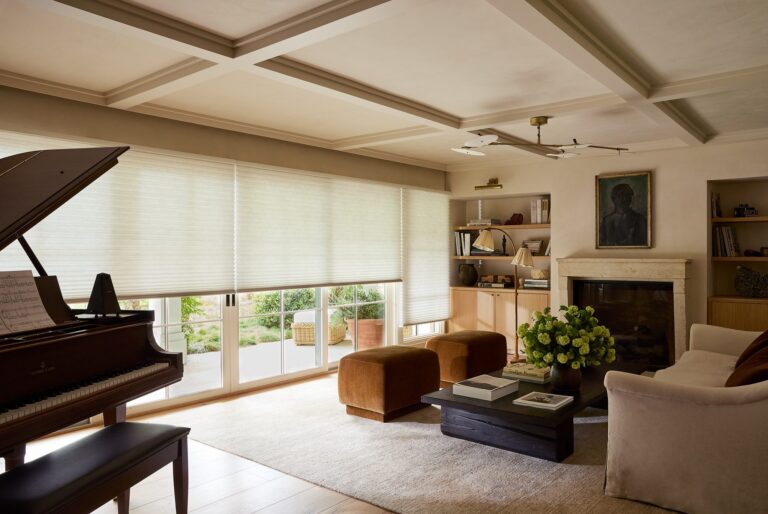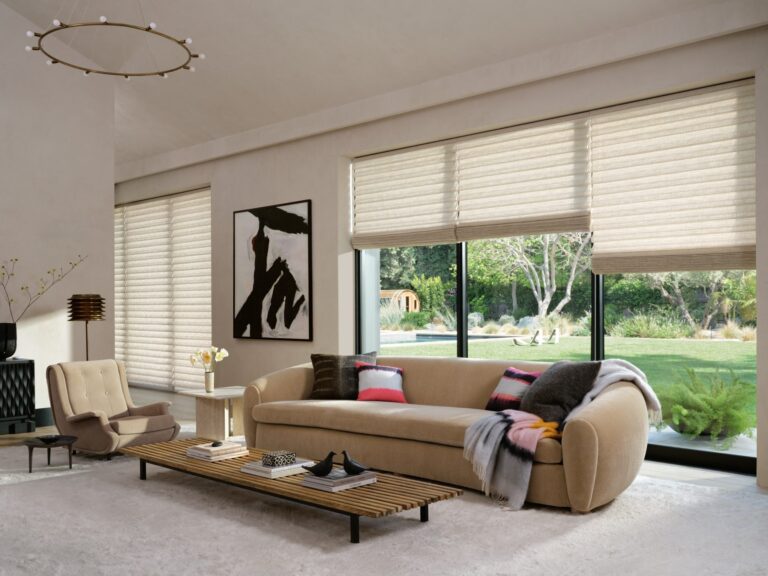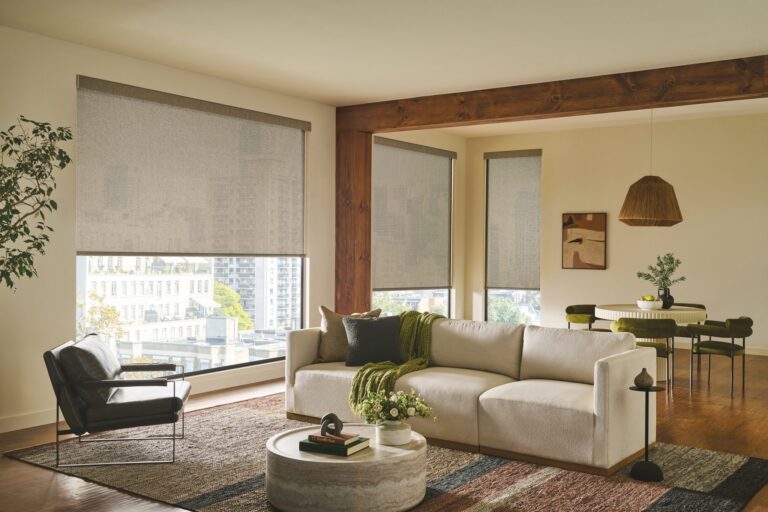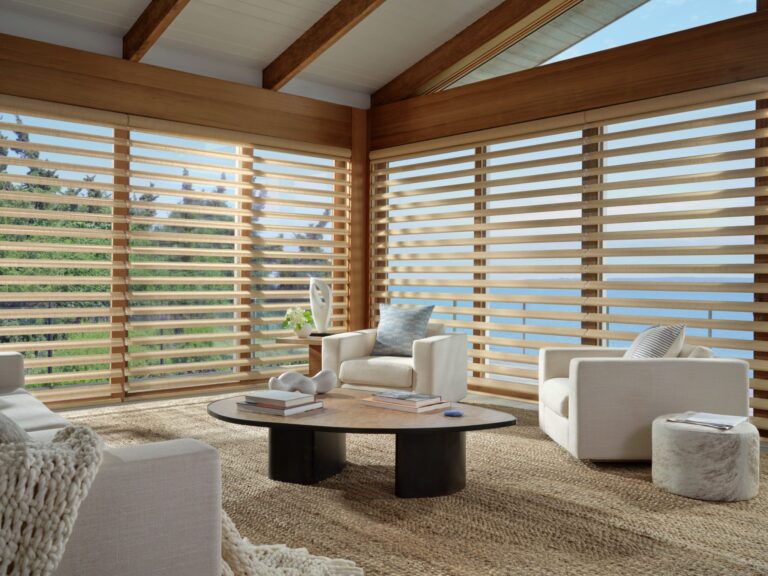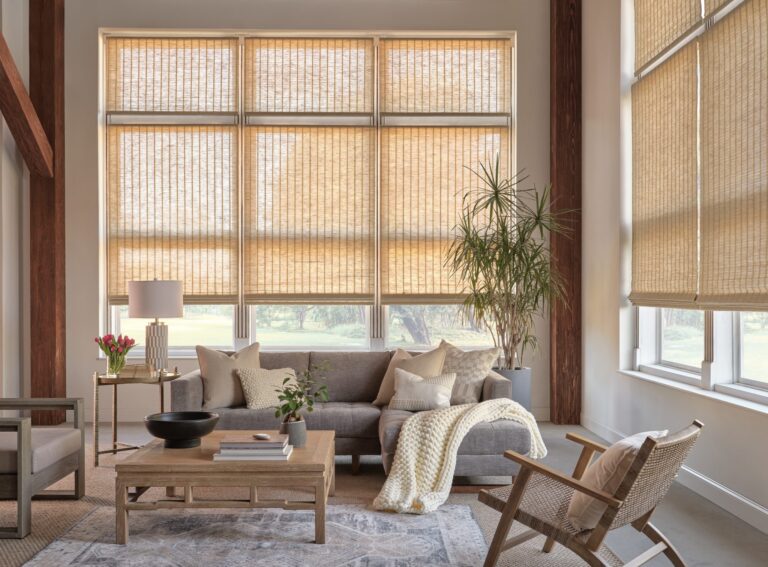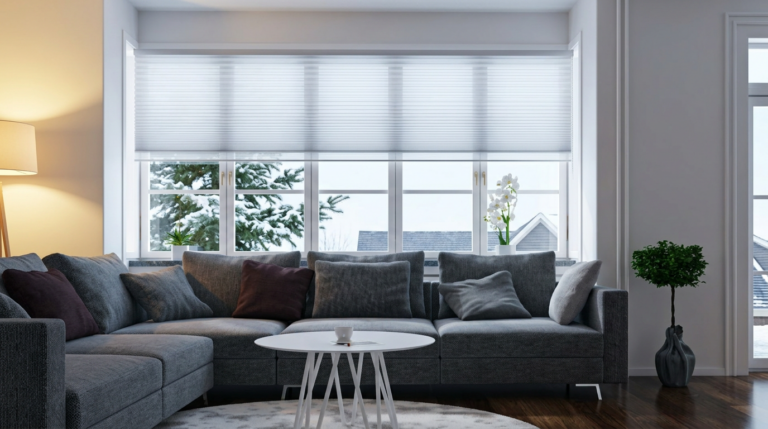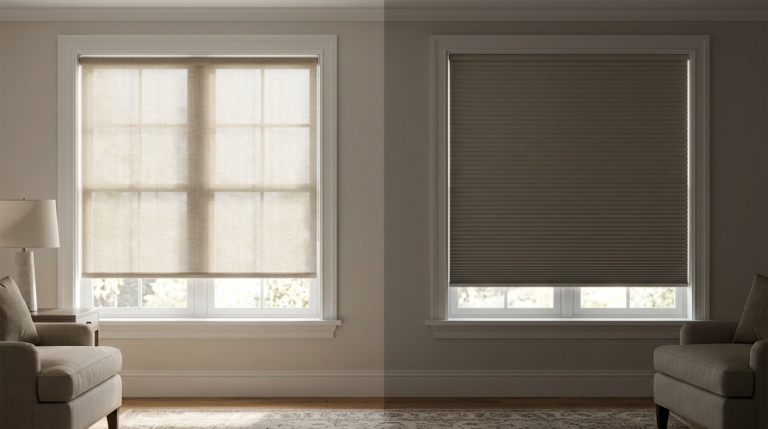

Top-down/bottom-up shades let you uncover the upper window for daylight while keeping the lower glass covered for privacy from people at sidewalk level; the result depends on the window’s sightlines and the fabric you choose. At Blind Magic, we help homeowners customize versatile Top Down Bottom Up window coverings to balance street-level seclusion with maximum daylight throughout dense urban subdivisions. Fabric opacity and shade position help manage daylight and privacy; cellular construction can also reduce heat loss at the window, but comfort and privacy vary with the window and installation.
Overview
Selecting window treatments that preserve natural daylight while shielding interior rooms from pedestrian views requires evaluating specific hardware designs, fabric opacities, and architectural layouts. This guide examines how dual-rail systems function across different living spaces, outlines fabric performance under changing sunlight, and details window configurations tailored to residential settings.
To help visualize these decisions, this guide includes a labeled real-world hypothetical that illustrates window positioning choices under typical residential conditions. The sections outlined below break down the mechanical, material, and structural aspects of managing daylight and sightlines throughout the home.
- Rail Operation Mechanics: Review how dual-rail hardware functions by examining practical window settings for custom coverage.
- Fabric Opacity Selection: Compare sheer, semi-sheer, and room-darkening textiles by evaluating street exposure balance throughout the day.
- Living Area Configurations: Manage sightlines in primary living zones by adjusting daylight control levels across ground-floor rooms.
- Subdivision Lot Planning: Address close-set exterior layouts by reviewing dense subdivision treatments on narrow lots.
- Real-World Example: Walk through a labeled real-world hypothetical illustrating dense neighborhood installations for main-floor glass.
- Dual-Fabric Systems: Contrast single-fabric dual-rail shades against duolite innovations that combine two distinct opacities.
Edmonton residential layouts place ground-floor living rooms, home offices, and dining spaces close to neighbourhood sidewalks and adjacent driveways. Standard window coverings create an impractical compromise, forcing homeowners to lower shades entirely and depend on indoor lamps during peak daylight hours. Top-down/bottom-up shades can open from the top, the bottom, or both, giving you more choice over which part of the window is covered.
Lowering the top of the shade admits daylight above the fabric while leaving the lower glass covered; check the actual view from the sidewalk before relying on that position for privacy. Duette® Honeycomb Shades and Vignette® Modern Roman Shades offer top-down/bottom-up options that can admit daylight above the covered area; street privacy still depends on fabric opacity and the view into your particular window.
Top-down/bottom-up shades let you uncover the upper window for daylight while keeping the lower glass covered for privacy from people at sidewalk level; the result depends on the window’s sightlines and the fabric you choose. At Blind Magic, we help homeowners customize versatile Top Down Bottom Up window coverings to balance street-level seclusion with maximum daylight throughout dense urban subdivisions. Fabric opacity and shade position help manage daylight and privacy; cellular construction can also reduce heat loss at the window, but comfort and privacy vary with the window and installation.
Adjustable Rail Operation and Practical Window Settings
Top-down/bottom-up shades separate the primary material from a fixed overhead header by using two independent horizontal rails rather than a single base bar. This mechanical configuration allows the shade fabric to hover anywhere along the window frame. Top-down/bottom-up shades can open from the top, the bottom, or both, so you can change which part of the glass remains covered.
Custom treatments for large windows solve the persistent conflict between outdoor illumination and street-level seclusion in dense Edmonton subdivisions. In newer compact lot layouts and character neighbourhoods where residences sit closely aligned, ground-level living spaces face constant exposure to community sidewalks. Positioning the textile panel squarely across the bottom pane stops passersby from looking inside while dropping the upper bar directs natural sunshine onto the ceiling, dispersing indirect illumination across living spaces without exposing the household.
During daily operation, this two-rail build offers three primary positioning options:
- Overhead-drop profile: Lowering the upper rail admits bright daylight from above while maintaining eye-level seclusion from nearby pedestrian pathways.
- Base-lift profile: Raising the lower rail clears views of private garden spaces and exterior landscaping while keeping upper glass panes protected against blinding overhead glare.
- Full-coverage profile: Extending the textile across the entire casing prevents direct visibility from outdoor paths once interior lamps are switched on after dusk.
Duolite® dual-fabric systems take this versatility further by combining a light-filtering upper panel with an opaque cellular lower fabric on one unified headrail. For homeowners seeking deeper light control during early summer dawns in northern Alberta, pairing these shades with the LightLock® room-darkening channel system mounts along the interior frame jambs to trap edge light leakage around the glass boundaries.
Balancing Daylight and Street Exposure With Fabric Opacity
Main-floor living rooms facing neighborhood sidewalks present a common dilemma for Edmonton homeowners: standard shades force a choice between sitting in darkness or putting interior spaces on display. Fitting custom coverings for large windows with dual-rail controls solves this friction by separating coverage zones on the same glass pane. Lowering the top rail lets daylight reflect off ceilings to brighten the room, while keeping the bottom section closed blocks eye-level sightlines from the street.
We help clients match textile density to daily lighting requirements across different living areas. Fabric options span four practical tiers:
- Sheer and semi-sheer fabrics: Soften incoming glare and preserve outdoor shapes, suited for upper windows without direct pedestrian traffic.
- Light-filtering materials: Diffuse direct sun into gentle ambient brightness while concealing indoor silhouettes during daylight hours.
- Semi-opaque weaves: Provide enhanced street screening for dining rooms and ground-floor offices without making spaces feel closed off.
- Room-darkening textiles: Feature dense weaves or reflective backings that block a significant portion of incoming light, making them practical for media rooms and bedrooms.
When households need daylight during work hours and complete coverage at night, Duolite® dual-fabric systems combine a sheer or light-filtering upper segment with a room-darkening lower cellular panel inside a single headrail. For dedicated sleeping quarters facing northern morning glare, adding LightLock™ side channels directly into the window jamb absorbs perimeter light leakage, helping maintain steady darkness through long northern summer evenings.
Dual-Rail Positioning for Sidewalk-Facing Main Floor Windows
Installing coverings for large windows resolves a frequent design dilemma in communities like Old Strathcona as well as zero-lot-line builds in Windermere. Close property lines often turn front living rooms into display cases. Single-direction window coverings leave you choosing between full outdoor exposure or sitting in artificial light all afternoon.
A dual-rail mechanism fixes that problem by mounting shade fabric between two separately operating rails rather than anchoring it permanently to the window head. You position the fabric across any section of the glazing where sightlines actually occur. By dropping the upper rail, sunlight angles downward across the ceiling to brighten the interior, while the opaque bottom portion keeps pedestrians from peering into your home.
Homeowners generally rotate through three functional positions depending on daylight and street activity:
- Upper-drop setting: Brings in high overhead sunlight while maintaining complete visual screening across the lower glass.
- Lower-lift setting: Clears the lower sash to look out at garden beds or courtyard landscaping while shielding the upper glass from harsh midday sun.
- Closed setting: Spans the full height of the frame with fabric once interior lamps turn reflective evening glass into an open view from outside.
For rooms needing varied light levels throughout the day, Duolite® dual-fabric systems combine a daylight-diffusing upper section with an opaque cellular panel on a single headrail. In spaces like nurseries or ground-floor guest rooms where Edmonton’s early morning sun causes sleep disruptions, integrating LightLock® blackout channels into the side jambs seals out side light leakage along the fabric edges.
Three Daily Rail Positions for Sidewalk Glare and Nighttime Coverage
Selecting custom coverings for large windows on main levels gives Edmonton homeowners precise control over interior exposure without cutting off natural sun. Dual horizontal bars move separately across the window frame, allowing you to reconfigure the coverage height as daylight angles shift between morning and evening.
We fit these dual-rail assemblies to handle three distinct lighting and seclusion needs throughout the day:
- Top-drop setting: Dropping the higher bar invites ambient sky illumination across the ceiling while the lower pane stays shielded from pedestrians on the sidewalk.
- Bottom-rise setting: Lifting the base rail keeps back patios or yard greenery visible while blocking blinding midday rays through the upper glass.
- Total-height setting: Spanning fabric over the entire window opening prevents passersby from seeing into lit living areas once night arrives.
For versatile rooms like front home offices or main-floor dining areas, Duolite® shades combine a sheer upper panel with an opaque lower cellular section within a single headrail. When rooms require deeper darkening, pairing Duette® fabrics with LightLock™ side channels minimizes perimeter light leaks, though no system produces absolute blackout conditions.
Sidewalk Privacy Solutions for Ground Floor Windows
Main-floor living rooms in compact Edmonton neighbourhoods frequently sit just steps away from public sidewalks, creating an immediate exposure problem for homeowners. Installing Top-Down/Bottom-Up window shades resolves that daily tension between bringing in natural sunlight and guarding interior spaces from passing foot traffic. Instead of restricting fabric movement to a standard vertical path anchored at the lintel, this mechanism frees the upper edge through dual independent rails, enabling custom shade placement across any section of the glazing.
Lowering the top section invites daylight to wash across ceilings and brighten interior corners, while keeping the bottom portion stationary seals off direct sightlines from the street. Ground-floor windows benefit from three practical configurations across the day:
- Top-drop setting: Dropping the top rail pulls in open sky and indirect sunlight while maintaining eye-level seclusion against neighbouring footpaths.
- Base-lift setting: Raising the lower rail reveals front garden plantings or front steps while keeping bright overhead glare off screens and furniture.
- Full-coverage setting: Drawing fabric across the complete window expanse blocks outside sightlines when evening interior lighting makes clear glass visible to anyone passing by.
For versatile light balance throughout changing seasons, Duolite Shades pair a light-filtering upper panel with an opaque cellular shade on a shared headrail. In bedrooms where early summer sunrises create sleep disruptions, our installers mount the LightLock® channel system directly inside the window casing, stopping side light leaks before daylight scatters across the room.
Dual-Fabric Duolite Innovations Versus Traditional Single-Rail Shades
Standard window coverings anchored to a single bottom bar only lift upward, forcing residents to cover the entire glass area whenever street-level seclusion is needed. In contrast, Top-Down/Bottom-Up systems separate the primary textile from a stationary upper anchor by employing two independent moving bars. This structural design lets homeowners lower the top edge to welcome natural daylight across the ceiling while keeping the lower pane fully covered against sidewalk sightlines.
For rooms that require variable light filtration throughout the day, Duolite shades integrate two separate fabric opacities into a single headrail mechanism. Duolite® pairs fabrics with different opacities in one shade for more light-control choices. The cited source does not specify that the sheer fabric sits above the room-darkening fabric or that drapery is unnecessary.
| Feature | Single-Fabric Dual-Action Shade | Duolite® Dual-Fabric System |
|---|---|---|
| Fabric Configuration | One continuous material across the full window height | Two fabrics with different opacities in one shade; this source does not establish an intermediate-rail construction. |
| Daytime Privacy | Lowers upper rail while single material shields eye level | Can combine fabrics of different opacities; this source does not establish a translucent upper fabric for every configuration. |
| Nighttime Coverage | Single opacity covers the window opening | Room-darkening fabric can improve privacy; this source does not guarantee complete privacy in every lighting condition. |
| Primary Application | Main-floor living rooms and street-facing dining spaces | Home offices, media rooms, and street-level primary suites |
To eliminate perimeter light leaks in bedrooms, our installers often integrate the LightLock® channel system directly into the window frame jambs. LightLock® side channels absorb or deflect nearly all incoming light at the shade edges. Actual darkness depends on the full window installation.
Research & Fact-Checking
This article has undergone a factual review covering product specifications, manufacturer information, installation considerations, and technical claims relating to top down bottom up shades for edmonton homes privacy guide.
Product-specific statements and technical claims are evaluated against available supporting documentation. Where evidence requires qualification, wording is adjusted to reflect the available information.
Written by Blind Magic. Technical claims in this article were checked against the manufacturer guides and government pages linked here. Research reviewed: November 2026.
Primary sources linked in this article:
- hunterdouglas.ca/privacy-light-control
- hunterdouglas.ca/intl/en-ca/stories/buyers-guides/window-shade-…
- hunterdouglas.ca/stories/buyers-guides/blackout-blinds-room-dar…
- hunterdouglas.ca/window-treatments/shades/top-down-bottom-up-sh…
- energy.gov/sites/default/files/2021-12/bto-cellular-shades-fact…
- hunterdouglas.ca/window-treatments
FAQ
To help you choose the right privacy light top down bottom shades for Edmonton homes, we have compiled clear answers to the most common questions about fabric choices, winter performance, and installation options below.
| Question | Answer |
|---|---|
| Should street-facing bedrooms use cellular or Roman fabrics for dual-direction shades? | Cellular shades trap air in their cells and between the shade and window, helping reduce nighttime window heat loss. The cited source does not establish that they create tighter light traps than Roman shades. For stronger room darkening, compare opaque fabric and side-channel options. The cited source does not establish that double-cell shades always outperform Roman shades or provide complete darkness. |
| How do dual-operating shades handle condensation along glass panes during cold Edmonton winters? | If condensation accumulates behind a cellular shade, Department of Energy research guidance recommends opening the shade about half an inch from the bottom rail. Opening a cellular shade can help address condensation; the cited guidance recommends a small opening at the bottom rail, not a top-rail position. |
| Can motorized dual-rail shades be mounted inside shallow window frames? | If your home has narrow window jambs or crank handles, an outside mount anchored to the trim or drywall prevents the operating rails from catching on the glass. |
| Which lift mechanism works best for tall living room windows that need daily adjustments? | Reaching the floating top rail on a tall window to push it upward requires excessive stretching with basic cordless handles. PowerView® can operate compatible shades by remote or smartphone app and can follow schedules. The cited source does not establish independent control of both rails or prevention of uneven rail tilt. |