



Master Your Blinds: A Cleaning Overview
To effectively master your blind and maintain its aesthetic appeal, a consistent blind cleaning guide is essential. Regular cleaning not only preserves their beauty but also extends their lifespan and contributes to a healthier indoor environment.
Understanding the proper techniques for different types of blinds is crucial. This comprehensive approach ensures you address dust, allergens, and grime effectively, preventing long-term damage and discoloration. Our window treatment maintenance tips can help.
From simple dusting to more intensive spot treatments, mastering the art of blind care helps you keep your window coverings looking new. Consider exploring the various types of blinds to better understand their specific cleaning needs, or consult with a professional blinds and curtains installer for expert assistance.
What Are Blinds and Why Cleaning Them is Crucial
Blinds are versatile window coverings designed to provide privacy, control light, and enhance a room’s aesthetic. They come in various styles, materials, and operating mechanisms, making them a popular choice for many homes. Understanding the basic function and types of blinds helps in appreciating why consistent cleaning is essential.
Regular cleaning is crucial for several reasons, extending beyond just maintaining a pleasing appearance. Accumulating dust, allergens, and grime can impact both the longevity of your window treatments and the indoor air quality. By keeping your blinds clean, you can effectively master your blind maintenance and ensure a healthier living environment. For example, if you are considering roller blinds, reviewing the best roller blind brands can help you choose durable options that are easier to clean.
Impact on Indoor Air Quality
Blinds act as filters, trapping airborne particles such as dust mites, pet dander, and pollen. Over time, these accumulations can significantly degrade indoor air quality. Regular cleaning removes these irritants, preventing them from recirculating into your home’s atmosphere.
For individuals with allergies or respiratory sensitivities, maintaining clean blinds is particularly vital. A comprehensive blind cleaning guide emphasizes removing these particles to reduce potential triggers, creating a more comfortable and healthier space. If your blinds are beyond repair, consider exploring options for blinds replacement parts to refresh your window treatments.
Preserving Appearance and Longevity
Beyond health benefits, cleaning your blinds regularly helps preserve their original beauty and extends their lifespan. Dirt and dust can embed themselves in materials, leading to discoloration, wear, and even damage over time. This is especially true for delicate fabrics or finishes. For specific material care, consult our guide on cleaning fabric blinds safely for more.
Neglecting cleaning can diminish the visual appeal of your blinds, affecting your home’s overall decor trends for more. By consistently cleaning them, you can prevent premature aging and ensure your window treatments remain a focal point of your interior design, helping you to master your blind care routine.
Core Principles of Blind Maintenance
To effectively master your blind and ensure its longevity, understanding core maintenance principles is crucial. Regular care not only keeps your window treatments looking their best but also prevents the buildup of dust and allergens. Following a consistent blind cleaning guide can significantly extend the lifespan of your blinds and shades.
These foundational practices are essential for maintaining the appearance and functionality of various blind types. By integrating these principles into your routine, you can preserve the quality and beauty of your window coverings.
Regular Dust Removal: The first line of defense against dirt and grime is frequent dusting. Use a microfiber cloth, a duster, or a vacuum cleaner with a brush attachment to gently remove surface dust from your blinds. This prevents accumulation that can become harder to clean over time, as highlighted in our tips for window treatment maintenance.
Prompt Spot Cleaning: Address spills or stains immediately to prevent them from setting. Depending on the blind material, use a damp cloth with mild soap for most surfaces, or a specialized cleaner for fabric blinds. Always blot gently and test any cleaning solution on an inconspicuous area first to avoid damage. For fabric blinds, consult our guide on cleaning fabric blinds safely.
Consider Deep Cleaning: Periodically, blinds may require more than just dusting or spot cleaning. This could involve wiping down slats, washing fabric shades according to manufacturer instructions, or using specialized tools for intricate designs. Always refer to the manufacturer’s guide for specific deep cleaning recommendations for your type of blind.
For more intricate cleaning needs or specific material care, exploring options like https://blindmagic.com/blog/roller-blinds-vs-sheer-shades-light-control-privacy/ can provide tailored advice for various blind types.
Evaluate Professional Maintenance Options: For certain blind types or particularly stubborn dirt, professional blind cleaning services might be the best option. Professionals have the expertise and equipment to thoroughly clean blinds without causing damage, ensuring your window treatments look new again. For more details, explore our guide to professional blind cleaning services for more.
Choose Appropriate Blinds for Your Environment: Selecting the right blind material for specific rooms can also impact maintenance needs. For instance, faux wood or aluminum blinds are often easier to clean in high-moisture areas like bathrooms or kitchens compared to real wood blinds. Understanding how to choose the right blinds can simplify long-term care.
DIY Blind Cleaning: Easy Step-by-Step Guide
Learning how to clean blinds effectively at home can significantly extend their lifespan and keep your living spaces looking fresh. This practical window treatment maintenance guide offers a step-by-step approach for various materials, empowering you to master your blind cleaning routine with confidence.
With the right tools and techniques, you can tackle dust and grime efficiently, avoiding common pitfalls that might require blind repair later on. Understanding the best methods for each blind type is crucial for maintaining their appearance and functionality.
- Microfiber cloths
- Mild soap (dish soap or gentle detergent)
- Warm water
- Vacuum cleaner with brush attachment
- Duster (feather or synthetic)
- Soft brush or old toothbrush
- Bucket or basin
- Protective gloves (optional)
General Dusting and Light Cleaning
Regular dusting is the first line of defense in any blind cleaning guide, preventing heavy buildup and making deeper cleans less frequent. To master your blind maintenance, make dusting a routine.
Wood and Faux Wood Blinds
For wood and faux wood blinds, a damp cloth with a mild cleaning solution is usually sufficient. Always wipe with the grain and dry thoroughly to prevent damage. If you’re unsure about the best approach for your specific blinds, consider consulting cleaning faux wood blinds for detailed instructions.
For wood and faux wood blinds, avoid excessive moisture. Dampen a microfiber cloth with a small amount of wood cleaner or a mixture of mild soap and water, wringing it out thoroughly so it’s barely moist. Wipe down each slat individually, then immediately dry with a separate clean, dry cloth. This prevents warping and water damage, ensuring you master your blind’s longevity.
Aluminum and Vinyl Blinds
These durable blinds can handle more moisture. Mix a mild dish soap with warm water. Dip a soft cloth or sponge into the solution, wring it out, and wipe down each slat. For tougher grime, a soft brush can be used. Rinse by wiping with a clean, damp cloth, and then dry thoroughly to prevent water spots. This systematic approach will help you master your blind cleaning efficiently.
Fabric Blinds and Shades
Fabric blinds and shades require a gentler approach. Vacuum them regularly with an upholstery attachment to remove dust. For spot cleaning, use a mild detergent mixed with water and a clean cloth, blotting gently. Always test in an inconspicuous area first. For a deeper clean, consider professional cleaning or follow specific manufacturer instructions, such as those found in our guide to cleaning fabric blinds safely.
Spot cleaning is generally recommended for fabric blinds to avoid discoloration or damage. Use a gentle fabric cleaner or a solution of mild soap and water, applied sparingly with a clean cloth. Blot the stain gently rather than rubbing. For a more comprehensive clean, always check the manufacturer’s instructions, as some fabric blinds may be suitable for professional cleaning or specific machine washing methods. This careful approach helps you master your blind care for delicate materials.
When to Call the Professionals: Expert Blind Cleaning
While DIY methods are effective for routine maintenance, there are times when professional blind cleaning becomes essential to truly master your blind’s appearance and longevity. Our team often encounters situations where specialized techniques and equipment are necessary to achieve optimal results without damaging delicate materials. For instance, if you’re considering a deep clean for your faux wood blinds, our guide to cleaning faux wood blinds offers specific, effective methods.
Tough stains, especially on certain fabric blinds or intricate designs, frequently require professional attention. For example, after installing hundreds of systems, our experience shows that fabric blinds can absorb dirt deeply, making household cleaning solutions less effective and potentially leaving watermarks or residue. Professionals have access to advanced cleaning agents and methods, like ultrasonic cleaning, which can penetrate deep into fabrics and crevices that are inaccessible with standard tools. For more on keeping your blinds pristine, consult our guide on cleaning fabric blinds safely.
Consider seeking expert assistance in the following scenarios:
- Stubborn Stains: Grease, oil, mold, or ink stains are notoriously difficult to remove without professional intervention. Attempting to scrub these aggressively can damage the blind material.
- Delicate Materials: Certain blinds, such as those made from silk, fine woods, or intricate cellular shades, are prone to damage from improper cleaning. Professionals understand the specific care requirements for each material. Our blog on protecting your investment highlights the importance of proper care for these delicate items.
- Allergies or Respiratory Issues: If dust mites, allergens, or pet dander have accumulated deeply within your blinds, professional deep cleaning can significantly improve indoor air quality.
- Large or Hard-to-Reach Blinds: Oversized window treatments or blinds installed in high, inaccessible areas are challenging and potentially unsafe to clean yourself.
- Time Constraints: For those with busy schedules, entrusting your blinds to professionals can save significant time and effort while ensuring a thorough clean. You can learn more about dedicated blind cleaning services to help maintain your home.
- Post-Renovation Dust: Construction dust can be extremely fine and pervasive, settling into every part of your blinds. Professional services are often equipped to handle this level of particulate removal effectively.
Engaging professionals not only ensures a pristine clean but also extends the life of your window coverings. They are skilled in handling various types of custom window treatments, preventing common DIY cleaning mistakes that can lead to warping, discoloration, or structural damage. When in doubt, a professional assessment can provide peace of mind and keep your blinds looking their best.
Choosing the Right Cleaning Methods for Different Blind Types
To truly master your blind maintenance, selecting the appropriate cleaning method for each specific type of window covering is essential. Different materials and designs require unique approaches to avoid damage and ensure effective cleaning. Understanding these distinctions will help preserve the beauty and functionality of your blinds for years to come.
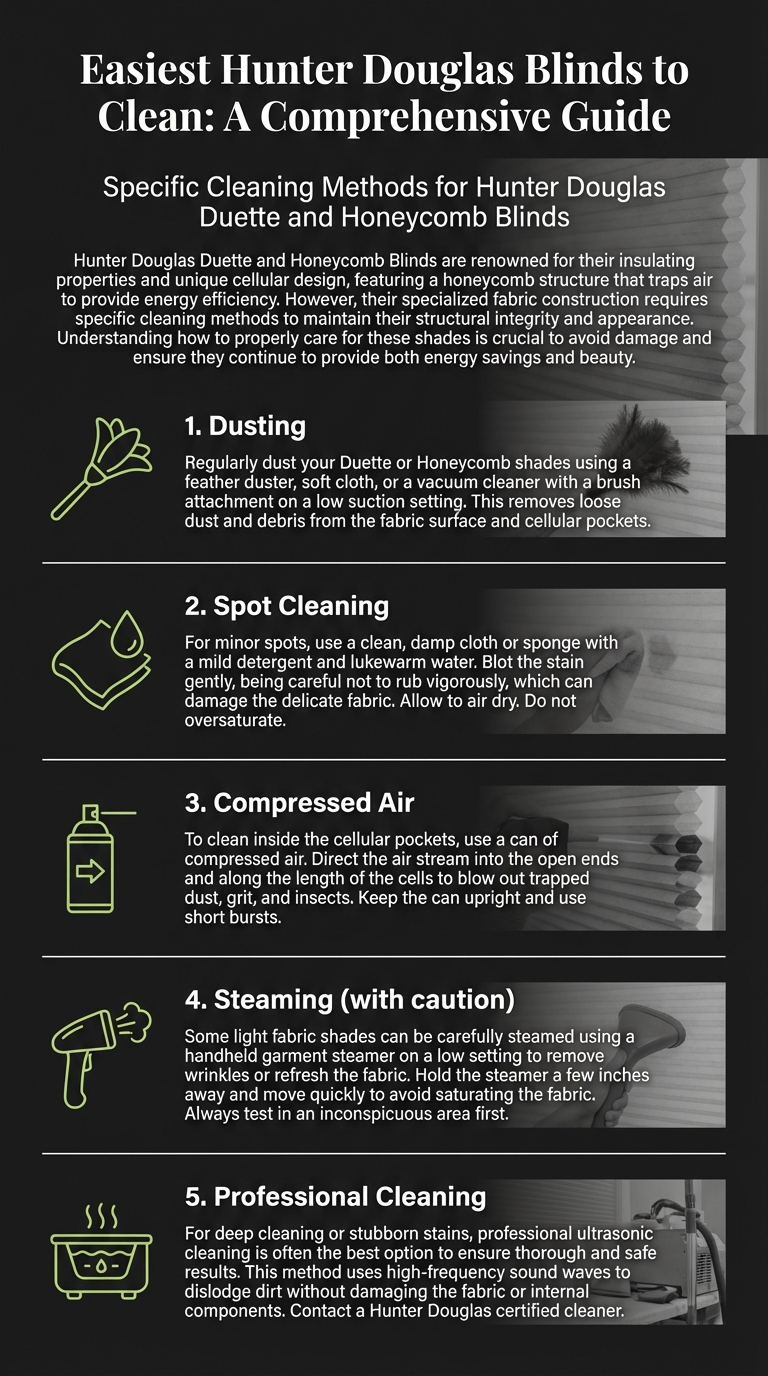
Before beginning any cleaning task, always identify the material of your blinds. For example, the care for a roller blind will differ significantly from that of a wooden Venetian blind. Knowing the material guides your choice of tools and cleaning solutions.
Refer to the following guide to help determine the best way to clean various blind types:
| Blind Type | Recommended Cleaning Method | Things to Avoid |
|---|---|---|
| Roller Blinds | Light dusting with a microfiber cloth; spot cleaning with mild soap and water for stains. | Harsh chemicals, excessive water saturation, scrubbing aggressively. |
| Roman Blinds | Gentle vacuuming with an upholstery attachment; professional dry cleaning for deeper cleaning. | Machine washing, abrasive cleaners, soaking fabric. |
| Vertical Blinds | Dusting with a duster or soft cloth; wiping PVC/vinyl slats with damp cloth and mild detergent. | Folding or creasing fabric slats, using strong solvents on PVC. |
| Venetian Blinds (Wood) | Dusting with a dry cloth or wood duster; light wiping with wood-safe cleaner. | Water, harsh chemicals, abrasive sponges, leaving them wet. |
| Venetian Blinds (Faux Wood/Aluminum) | Damp cloth with mild soap and water; vacuuming with brush attachment. For more specific advice, see our guide on cleaning faux wood blinds. | Abrasive cleaners, harsh solvents, excessive force that can bend slats. |
| Honeycomb/Cellular Blinds | Gentle vacuuming with low suction; spot cleaning with a barely damp cloth. | Soaking, aggressive rubbing, harsh detergents, getting interior cells wet. |
Proper window treatment maintenance is key to longevity. For more stubborn stains or if you’re unsure about a particular blind type, it’s always best to consult our cleaning services guide or professional cleaners to ensure you continue to master your blind’s appearance.
Benefits of Regular Blind Cleaning and Maintenance
Consistent blind cleaning and maintenance offer numerous advantages beyond just aesthetics. By establishing a routine, you can significantly extend the lifespan of your window treatments and contribute to a healthier living environment. Understanding these benefits reinforces your ability to master your blind care effectively.
- Extending Blind Lifespan. Regular cleaning prevents the buildup of dust and grime that can degrade materials over time. This proactive approach ensures your blinds remain in excellent condition for years, delaying the need for costly replacements. Our window treatment maintenance tips provide further guidance on protecting your investment.
- Improving Indoor Air Quality. Blinds can act as dust traps, accumulating allergens and pollutants that affect the air you breathe. A regular blind cleaning guide helps remove these particles, leading to better indoor air quality and a more comfortable home environment.
- Enhancing Aesthetic Appeal. Clean blinds instantly elevate the look of any room. Removing smudges, dust, and stains keeps your window treatments looking fresh and vibrant, contributing positively to your home’s overall design and modern window treatments.
- Preventing Allergens. For individuals sensitive to allergens, dirty blinds can exacerbate symptoms. Regular cleaning minimizes the presence of dust mites, pollen, and pet dander, creating a more allergen-free space.
- Maintaining Functionality. Dirt and debris can accumulate in the mechanisms of blinds, making them difficult to operate. Consistent cleaning ensures smooth operation of cords, slats, and motors, maintaining the full functionality of your window coverings.
Common Blind Cleaning Mistakes to Avoid
To effectively master your blind cleaning routine, it’s essential to be aware of common pitfalls that can damage your window treatments or make them look worse. Avoiding these mistakes ensures your blinds remain pristine and functional for longer.
One frequent error is using harsh chemical cleaners. These products can strip finishes, discolour materials, or even corrode delicate components, especially on specialized window coverings. Always opt for mild solutions, such as a gentle dish soap mixed with water, unless the manufacturer specifically recommends otherwise. For specific materials like faux wood, consult our guide on cleaning faux wood blinds for tailored advice.
- Over-wetting fabrics: Fabric blinds and shades can be easily damaged by excessive moisture, leading to mildew, shrinking, or water stains. Always use a lightly damp cloth and blot rather than soak.
- Ignoring manufacturer guidelines: Every blind type has specific care instructions. Failing to consult these can lead to irreversible damage. For advice on specific types, review our guide to choosing the right blinds.
- Rubbing too hard: Aggressive scrubbing can distort delicate materials, remove protective coatings, or spread dirt further into the fabric. Gentle wiping is usually sufficient.
- Forgetting to dust first: Attempting to wet-clean dusty blinds often turns dust into muddy streaks. Always dry dust or vacuum your blinds thoroughly before applying any moisture. This initial step is crucial for any successful blind cleaning guide.
Another common mistake is neglecting regular maintenance. Allowing dust and grime to build up makes the cleaning process much more difficult and can shorten the lifespan of your blinds. Consistent, light cleaning is far more effective than infrequent, intense sessions.
Using abrasive tools like stiff brushes or rough sponges can scratch surfaces, particularly on wood, faux wood, or metal blinds. Stick to soft cloths, microfiber towels, or a gentle vacuum brush attachment. If you encounter issues with functionality after cleaning, our blind repair guide can offer solutions.
Failing to fully dry blinds before raising them or allowing them to collect more dust can trap moisture or new dirt. Ensure all parts are completely dry to prevent mildew and maintain their clean appearance. Consistent window treatment maintenance tips emphasize thorough drying.
Maintaining Your Blinds for Longevity
Beyond routine cleaning, proactive maintenance is key to extending the life of your window treatments. By adopting consistent habits, you can effectively master your blind’s appearance and functionality for many years. This section focuses on long-term care strategies that complement your cleaning efforts.
One crucial aspect is understanding how different materials react to environmental factors. For example, excessive sunlight can fade certain fabrics or warp wood blinds. Consider rotating your blinds or using UV-protective films on windows to minimize damage. Regular inspections can help you catch minor issues before they become major problems, preserving your investment, and you can learn more about how to perform simple repairs or explore the benefits of smart control.
Proactive Care Tips for Blinds
Implementing a few simple habits can make a significant difference in how long your blinds last. These go beyond the occasional clean to safeguard against wear and tear.
- Gentle Operation: Always operate your blinds smoothly and avoid yanking cords or forcing slats. Rough handling can damage internal mechanisms or warp materials over time. Proper operation is a fundamental aspect of window treatment maintenance tips, much like the careful handling recommended in an Alta Roller Shades review for more.
- Dusting Frequency: Regular, light dusting prevents heavy buildup that can be harder to remove later. Aim for weekly or bi-weekly dusting to keep surfaces free from abrasive particles.
- Spot Treatment: Address spills or stains immediately using appropriate cleaning solutions for the material. Prompt action often prevents stains from setting permanently.
- Protect from Moisture: For blinds in bathrooms or kitchens, ensure adequate ventilation to prevent moisture accumulation, which can lead to mold, mildew, or material damage, especially for natural wood.
Ensuring Optimal Functionality
The functionality of your blinds is just as important as their appearance. Smooth operation ensures convenience and prevents premature wear. If you’re experiencing issues, consider exploring our blind repair guide to fix common problems yourself.
- Lubricate Moving Parts: For blinds with internal mechanisms, a silicone-based spray can keep cords and tracks moving freely. Always check manufacturer recommendations before applying any lubricants.
- Check Cords and Wands: Periodically inspect cords and wands for fraying or damage. Timely replacement can prevent complete breakage and maintain ease of use.
- Balance and Alignment: Ensure that horizontal slats or vertical vanes remain balanced and aligned. Misalignment can stress the operating system and lead to damage.
For those considering upgrades or facing persistent issues, exploring custom blinds solutions can provide more durable and tailored options designed for longevity. Additionally, integrating motorized shades can reduce wear and tear from manual operation, further contributing to their lifespan and making it easier to master your blind’s ongoing care.
Conclusion: Enjoying Clean Blinds
Maintaining clean blinds is more than just an aesthetic choice; it significantly contributes to a healthier home environment and extends the lifespan of your window treatments. By consistently applying the cleaning techniques and maintenance tips outlined in this blind cleaning guide, you can confidently pmaster your blind care routine.
Remember that a little effort goes a long way in preserving the beauty and functionality of your blinds. Whether you choose to explore various modern window treatments or focus on specific cleaning methods, diligent care will ensure they remain a beautiful feature in your home for years to come. For instance, if you’re considering automated window coverings, our motorized blinds guide offers valuable insights.
If you encounter stubborn stains or feel overwhelmed, professional assistance is always an option. Our team can provide expert cleaning services to restore your blinds to their original splendor. For more valuable insights into home care, consider our additional home improvement tips for more.