
Answer
Evaluating the best roller blind brands compared by features and pricing reveals that premium names like Hunter Douglas® excel in proprietary fabrics and PowerView® automation, while value-driven manufacturers offer dependable manual light management at accessible rates. Selecting premium Hunter Douglas blinds in Edmonton through Blind Magic allows homeowners to balance upfront investment with long-term durability, warranty protection, and custom sizing. This side-by-side assessment helps you identify the ideal balance of hardware engineering, opacity, and budget for every room.
Overview
Selecting window coverings requires evaluating fabric durability, hardware mechanisms, and automation capabilities across varied price points. Shoppers often weigh entry-level retail shades against custom engineered options to determine where investment yields measurable value in light control and thermal performance.
This comparison examines how prominent manufacturers stack up on component quality, operating options, and regional performance demands. Later in the guide, a labeled real-world hypothetical models typical costs under defined home assumptions to illustrate how whole-room window packages price out.
- Cost Breakdown: Learn how fabric grade, hardware, and dimensions shape budget tiers across major product lines.
- Brand Comparison: Review mechanical differences and warranties in a side-by-side comparison of industry manufacturers.
- Climate Performance: Evaluate solar heat gain, UV protection, and fabric stability for regional climate demands on exposed glass.
- Measurement Accuracy: Avoid costly fit errors by using strict steps to order for inside and outside mounts.
- Local Recommendations: Discover which top-performing lines suit regional window layouts among Edmonton homes.
- Real-World Example: Walk through a labeled budget scenario detailing installation costs for a complete home package.
- Style Assessment: Compare light-filtering textiles, weaves, and blackout options across distinct roller blind styles.
Pricing Factors and Investment Tiers for Roller Blinds
Base entry-level roller shades using simple light-filtering textiles average between $105 and $200 per standard window, but premium automated room-darkening shades from industry-leading lines often command $500 to $1,000 or higher per window. Covering expansive large windows in local properties means balancing hardware longevity against solar heat rejection and cold-weather insulation.
Visiting Blind Magic Custom Blinds & Drapery gives buyers a clear view of how textile grades, lifting mechanisms, and top treatments shift the final price tag across different tiers. Four primary manufacturing variables explain why prices vary drastically across the market.
| Pricing Variable | Budget Impact | Technical Elements |
|---|---|---|
| Textile Composition | Increases price by 20% to 45% | Selecting solar screen fabrics with tightly rated openness values (ranging between 1% and 10%), dual-sided thermal barriers, or complete blackout liners in Hunter Douglas® window coverings increases material investment over simple unbacked woven polyester. |
| Lift Operation Systems | Adds $150 to $450+ per unit | Upgrading from basic manual beaded chains to smooth cordless tension rollers or motor assemblies such as Hunter Douglas PowerView® Automation or Lutron® Caséta® shifts total hardware expenses. |
| Structural Tube and Warranty | 15% to 30% brand premium | Established producers including Hunter Douglas®, Levolor®, and Bali® incorporate reinforced extruded aluminum barrels that eliminate mid-span tube bowing on wider glass panes while backing hardware with limited lifetime warranties. |
| Fascias and Custom Millimeter Cuts | Adds 10% to 25% | Choosing fabric-wrapped cassette housings, tailored side channels to eliminate perimeter light leaks, or micro-precision cuts to fit out-of-square casings raises the overall bill of materials. |
Hardware Specifications and Price Points Across Four Leading Shade Makers
Custom window coverings span a wide pricing spectrum, starting near $60 CAD for basic off-the-shelf vinyl rollers and climbing past $1,000 CAD for automated architectural installations. Edmonton buyers balance four structural benchmarks during their selection process: lifting clutch resilience, fabric ultraviolet defense, edge gap tolerances, and home automation connectivity.
Big-box lines like Levolor® and Bali® cater primarily to rapid DIY installations and introductory budgets. In contrast, premium dealer collections like Alta® Window Fashions and Hunter Douglas® roller shades incorporate reinforced metal assemblies, engineered edge-blocking brackets, and certified regional service warranties.
| Manufacturer | Hardware and Material Highlights | Estimated Price (CAD) | Recommended Application |
|---|---|---|---|
| Levolor® | Stock colour options, spring-assist tension clutches, entry motorization, width-cut service | $80 to $400+ | Standard residential casements seeking simple glare control or darkened bedrooms |
| Bali® | Basic synthetic textures, Z-Wave® smart transmitter support, decorative cassette toppers | $60 to $350+ | Budget-focused whole-home refits with basic wireless switches |
| Alta® Window Fashions | Commercial cast-metal gears, Bliss™ Automation motors, solar weave textiles, weighted enclosed hem bars | $150 to $600+ | Regional properties requiring seasonal heat reflection and heavy daily cycle endurance |
| Hunter Douglas® | PowerView® Automation hubs, designer fabric weaves, ultra-narrow edge gaps, limited lifetime coverage | $300 to $1,000+ | Architectural builds demanding exact motorized scenes and minimal side light bleed |
Engineering Roller Shades for Alberta Weather Extremes
Covering expansive picture windows throughout Edmonton demands an objective assessment of hardware resilience and energy-saving textiles. Prairie weather puts persistent physical pressure on mechanical assemblies, with intense wind gusts rattling casements while exterior temperatures swing from mid-summer heat down to -30°C. Choosing high-performance shades requires examining structural barrel diameters, mechanical clutches, and fabric solar reflectance rather than purely visual attributes.
Overcoming Prairie Drafts and Temperature Swings
Consider Eleanor, a homeowner in Edmonton updating window treatments over broad living room glass. Her primary concerns center on preventing winter drafts, cutting annual gas heating expenses, and stopping incoming winds from bowing thin hardware. Standard retail shades often fail under these regional conditions, leading homeowners to seek blinds repairs in Edmonton when lightweight aluminum barrels bend out of alignment and skew fabric tracking.
Investing in durable residential blinds engineered by reputable manufacturers protects expansive glass panes against structural stress and thermal loss:
- Reinforced Extruded Aluminum Barrels: Alta® roller systems and Hunter Douglas® Designer Roller Shades utilize heavy-gauge aluminum tubes that prevent deflection across broad openings, eliminating fabric telescoping when drafts slip past window seals.
- Dual-Layer Cellular Construction: Hunter Douglas® Sonnette® Cellular Roller Shades combine a clean rolling silhouette with cellular air chambers that stop cold glass convection before drafts migrate indoors.
- Tight-Weave Solar and Blackout Textiles: Solar screens woven to 1% or 3% openness factors and multi-ply room-darkening fabrics deflect up to 99% of ultraviolet radiation, shielding hardwood floors from sun damage and lowering air conditioning loads.
- Weighted Base Bars and Edge Channels: Enclosed bottom rails add downward tension across the fabric plane, while optional edge-mounted tracks close perimeter light gaps and secure the cloth against gusty drafts.
How to Verify Measurements and Fabric Specs Before Ordering Custom Shades
Ordering factory-cut treatments demands exact millimetre tracking because custom builds cannot be returned once fabric assembly starts. Even a slight 3-millimetre miscalculation causes hardware binding against window jambs or leaks prominent streaks of unwanted light along casing borders.
Professional custom measures eliminate these installation discrepancies by confirming frame squareness and bracket clearances across every individual window. Homeowners reviewing top lines like Hunter Douglas®, Bali®, and Levolor® should follow this checklist prior to finalizing any purchase:
- Record triple-point dimensions. Measure inside window frames horizontally across the top, centre, and bottom. Record vertical drops along the left edge, midpoint, and right edge. Record the narrowest horizontal dimension on the order ticket so roller barrels and end caps do not scrape side trim.
- Examine physical fabric samples against window glass. Backlit digital displays alter color tones and distort solar screen openness factors. Stick tangible swatches directly onto the window pane with masking tape to evaluate glare reduction during early sunrise and low afternoon sunlight angles.
- Establish opacity ratings and lift hardware. Select solar fabrics with 1% to 10% openness for soft filtered daytime clarity, or choose opaque blackout composite textiles for absolute bedroom darkness. Under federal Canadian cord-safety mandates, corded pull systems with free loops are restricted, requiring homeowners to select cordless counterbalanced springs or automated lift motors.
- Review automated operation details. Homeowners outfitting multiple windows can explore motorized roller blinds benefits to coordinate battery wands or hardwired smart motors with automated schedules.
- Audit vendor warranty protection and remeasure clauses. Confirm whether the supplier provides a replacement policy for accidental sizing mistakes, and verify coverage duration for clutch mechanisms, internal electric motors, and textile layer bonding.
- Select the proper commercial or home grade. For rental suites and business storefronts, ordering dedicated commercial blinds guarantees heavy-duty metal clutch assemblies and flame-retardant fabric certifications designed for daily traffic.
Top Roller Shade Manufacturers Engineered for Prairie Weather
Northern prairie windows endure intense weather shifts, cycling from seventeen hours of intense summer sunlight to harsh -30°C winter conditions. These severe temperature swings and persistent ultraviolet rays degrade low-grade vinyls, buckle thin metals, and strip internal spring motors. Selecting premium Hunter Douglas® blinds or proven performance lines from Alta®, Bali®, and Levolor® shields interior spaces from premature textile breakdown, edge curl, and mechanical drive breakdowns.
At Blind Magic Custom Blinds & Drapery, we assess every manufacturer using strict engineering benchmarks before recommending them for regional properties:
- Roller Tube Gauge: Extruded, heavy-wall aluminum shafts resist horizontal deflection, stopping wide fabrics from sagging along the center or tracking unevenly along the window jamb.
- Dual-Direction Thermal Protection: Dense blackout weave textiles combined with dual-bracket setups stop midnight daylight during midsummer while cutting blinding glare reflected off winter snowbanks.
- Component Replaceability: Checking our transparent blind repair price list demonstrates how factory-matched clutches, replacement springs, and direct-mount brackets allow quality shades to run smoothly for decades without discarding the entire assembly.
- Multi-Window Architectural Cohesion: Matching single-roller shades with complementary custom panel track blinds delivers uniform textile density and color across large picture windows, sliding garden doors, and standard bedroom openings.
Installed Roller Blind Pricing Across Greater Edmonton
Homeowners planning window projects across Edmonton and Fort Saskatchewan face distinct price brackets based on motorization hardware, window counts, and fabric opacity. Professional installations for a single motorized kitchen shade generally land between $700 and $800. In contrast, multi-room window groupings spanning three to six windows range from $1,350 to $2,450 depending on whether you choose manual hardware or integrated smart motors.
Recent Greater Edmonton Project Pricing
Actual local invoice amounts reflect choices between automated motor heads and child-safe manual wands across standard residential floor plans:
| Product Line | Window Count | Fabric and Color | Home Location | Lift Hardware | Total Installed Cost |
|---|---|---|---|---|---|
| Hunter Douglas® Designer Roller | Single window | Urban Loft textured weave, Lead finish | Edmonton kitchen | PowerView® Gen 3 Automation | $700 to $800 |
| Designer Screen Shades | 3 windows | 3% openness solar screen, Alpine Snow | Fort Saskatchewan main floor living and dining | PowerView® Automation | $1,450 to $1,550 |
| Designer Screen Shades | 6 windows | 3% openness solar screen, Alpine Snow | Fort Saskatchewan den and three bedrooms | UltraGlide® retractable wand | $1,350 to $1,450 |
| Omni Roller Shades | 3 windows | Solar screen textile, Alpine Snow | Fort Saskatchewan vaulted living and dining | PowerView® Gen 3 Automation | $2,350 to $2,450 |
| Omni Roller Shades | 5 windows | Solar screen textile, Alpine Snow | Fort Saskatchewan den and sleeping quarters | UltraGlide® manual wand | $1,900 to $2,000 |
Aligning Manufacturer Tiers With Window Demands
Integrating PowerView® Automation into west-facing living rooms establishes automated shade schedules that shield interiors from intense afternoon solar gain without manual adjustments. Pairing premium shades on high-heat glass with manual UltraGlide® wands on secondary bedroom windows keeps project spending balanced across the home.
Choosing among the best blinds styles and trends requires assessing daily mechanical use alongside UV exposure:
- Hunter Douglas®: Best suited for prominent main-floor expanses and tall structural glass where Gen 3 automated motors deliver reliable scheduled sun tracking over years of continuous operation.
- Alta® Window Fashions: Serves whole-home retrofits requiring resilient clutch systems paired with extensive textile patterns at a moderate price bracket.
- Value Entry Brands: Functional for basement suites or guest rooms where occasional usage does not justify high-grade mechanical clutches or custom valance cassettes.
- Blind Magic Custom Builds: Precise laser measurements eliminate unwanted side light leaks and ensure fabric rolls straight on out-of-square framing.
Review our Hunter Douglas prices breakdown to compare specific fabric grades and motor options for your layout before scheduling final measurements.
Selecting Roller Blind Styles for Light Control and Privacy
Selecting the right residential blinds starts with evaluating exposure, glare, and room use before comparing retail price points. Window covering makers classify shade fabrics through weave openness, material opacity, and lift hardware, which together dictate how much sun enters your living space.
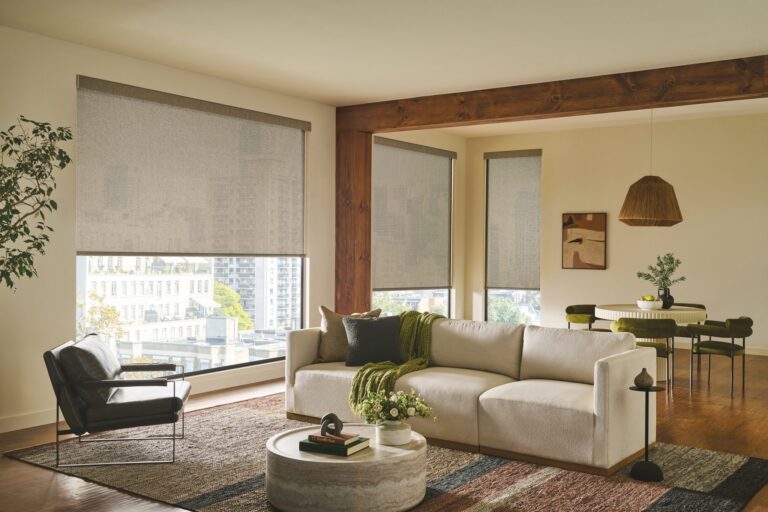
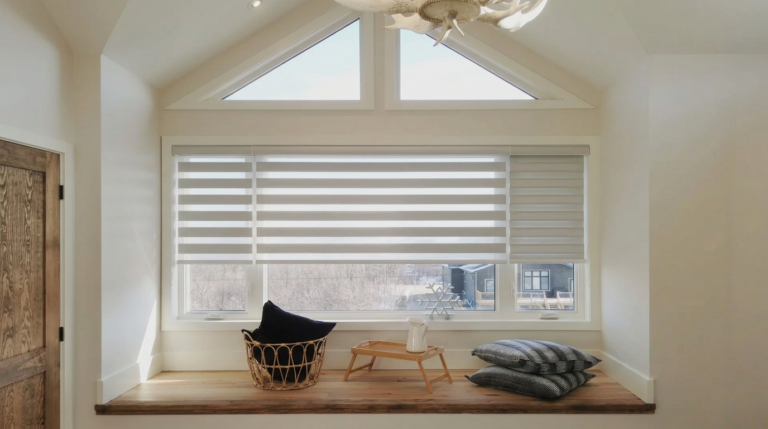
Sun-drenched south and west exposures benefit from Hunter Douglas® Designer Solar Shades, which stop up to 99% of damaging UV rays while maintaining outward sightlines through open weaves ranging between 1% and 14%. When living spaces demand smooth transitions between daytime brightness and evening seclusion, installing Hunter Douglas® Designer Banded Shades delivers balanced control by shifting dual layers of solid and sheer textiles on a single roller cassette.
| Blind Style | Light and UV Management | Recommended Placement | Practical Considerations |
|---|---|---|---|
| Blackout Roller Shades | Stops 99% to 100% of direct sun via opaque liners; delivers complete night isolation. | Bedrooms, nurseries, media rooms, and shift-worker rest areas. | Cuts off outdoor daylight entirely when drawn; side light gaps require edge channels for true darkness. |
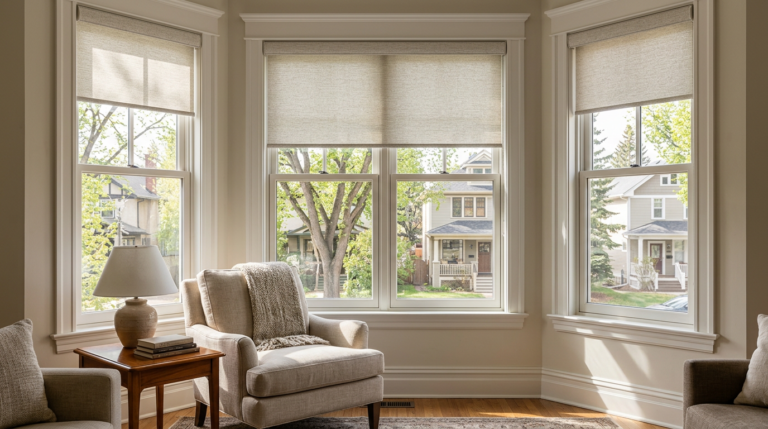
| Light-Filtering Roller Shades | Softens intense glare into usable daylight; shields interior rooms from outdoor view. | Main-floor living spaces, dining areas, kitchens, and street-facing windows. | Leaves rooms partially bright during morning hours; strong backlighting can cast faint silhouettes after dark. |
| Solar Screen Shades | Cuts solar heat and blocks up to 99% of UV degradation while preserving scenic views. | Sunrooms, home offices, and open-concept great rooms with southern glass. | Provides zero nighttime privacy when interior lamps are turned on. |
| Banded Dual Shades | Shifts between alternating sheer and opaque fabric stripes for variable daylight. | Street-level living rooms, primary suites, and home libraries. | Thicker fabric rolls demand larger headrail depths inside the window casing. |
FAQ
To help you navigate your options and get the best roller blind brands compared by features and pricing, the reference table below addresses key questions regarding mounting styles, light control, and regional climate performance.
| Question | Answer |
|---|---|
| How do custom motorized roller blind costs compare to manual spring-roller models in Edmonton? | In Edmonton, Alberta, manual cordless roller shades generally run between $180 and $350 per window, while motorized upgrades range from $450 to $800 or more per window depending on the fabric grade and power source. Rechargeable lithium-ion wand motors keep project costs lower by avoiding hardwiring expenses. If you plan to automate second-story windows or multiple living room glass panels on scheduled timers, motorized units justify their higher upfront investment. |
| Can solar screen roller fabrics protect south-facing hardwood floors from fading during Alberta summers? | Solar screen weaves with a 1 percent to 3 percent openness factor block up to 99 percent of damaging UV rays while maintaining clear outdoor visibility during long summer daylight hours. Denser weaves stop the surface heat that bleaches hardwood floors and dries out leather furniture in south-facing Edmonton living spaces. If daytime glare across computer monitors is your main issue, pairing a 3 percent solar screen with a dual roller cassette offers the right balance of view and protection. |
| Should you choose inside-mount or outside-mount roller shades for shallow window frames? | Standard roller cassettes require at least two to three inches of clear jamb depth for a flush inside mount, especially when paired with motor battery wands. If your drywall wraps tight against narrow window casing, an outside mount anchored to the trim or header prevents the fabric roll from projecting past the wall line. Outside mounts also eliminate light gaps along the glass perimeter, which improves total room darkening in master bedrooms. |
| Why do blackout roller shades need side channels to achieve total darkness in north-country bedrooms? | Standard roller blinds leave a light gap of up to three-quarters of an inch on each edge where the bracket and clutch sit away from the fabric. Light-blocking side channels cover these perimeter seams completely, creating a sealed barrier against early sunrise during late-spring and mid-summer mornings in Edmonton, Alberta. If you work shift hours or need complete darkness for a home theater, adding aluminum side tracks and a bottom sill channel stops peripheral light leakage entirely. |